


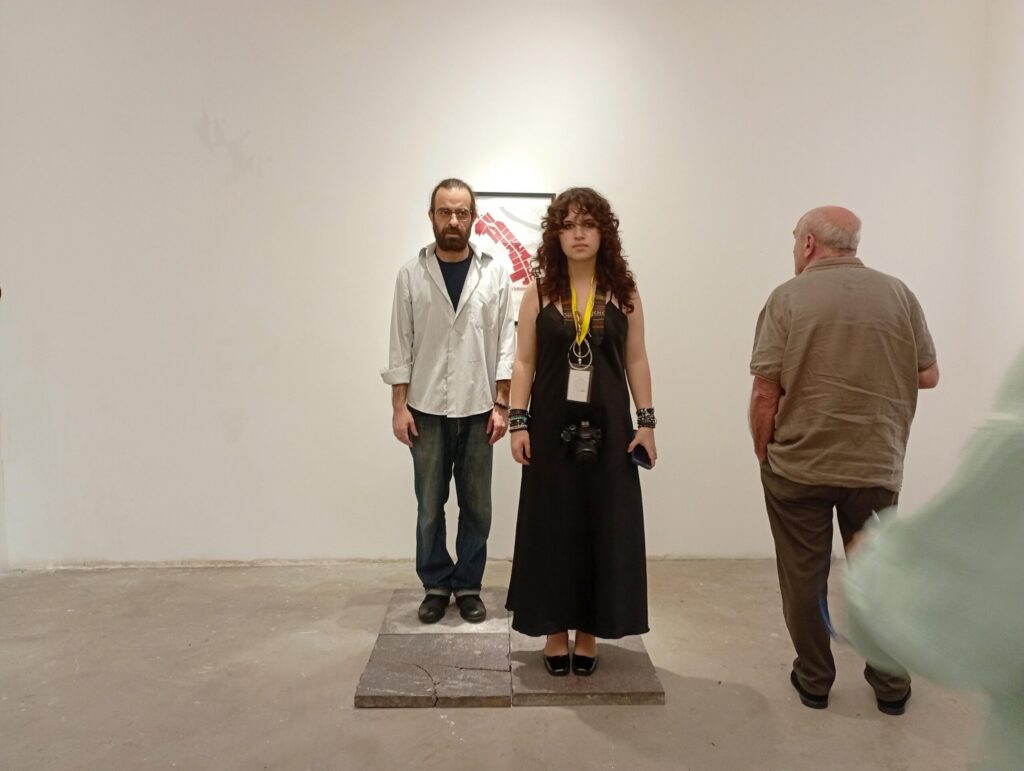
9 April / 1989
Social Memory Archive
Research And Exposition: Koka Vashakidze
Photo On The Cover: Guram Tsibakhashvili
Dada Dadiani / Edvard Rasoev / Elefter Lapachi / Givi Kikvadze / Gogi Tsagareli / Guram Tsibakhashvili / Ioseb Davitashvili / K. Vacheishvili / M. Datikashvili / M. Utiashvili / Sergo Edisherashvili / Shah Aivazov / Vano Shlamov / Vasil Gabunia / Vladimer Valishvili / Yuri Mechitov
- Klingental, Basel, Switzerland / 2014
- Center Of Contemporary Art, Tbilisi, Georgia / 2015
- Pilecki Institute, Berlin, Germany / 2026
- AhuAhu Foundation
- National Archives Of Georgia
silkroadfragments@gmail.com
silkroadfragments@gmail.com
In Georgia, nearly every family bookshelf holds a kind of literary trinity: The Bible, The Knight in the Panther’s Skin, and a thick black volume titled 9 April. Published in 1990, this anthology is neither poetry nor holy scripture, yet it channels both. It is a documentary chronicle of Georgia’s quest for freedom or, more precisely, of a single night and the events that unfolded around it. A night that took on mythological status and profoundly shaped modern consciousness.
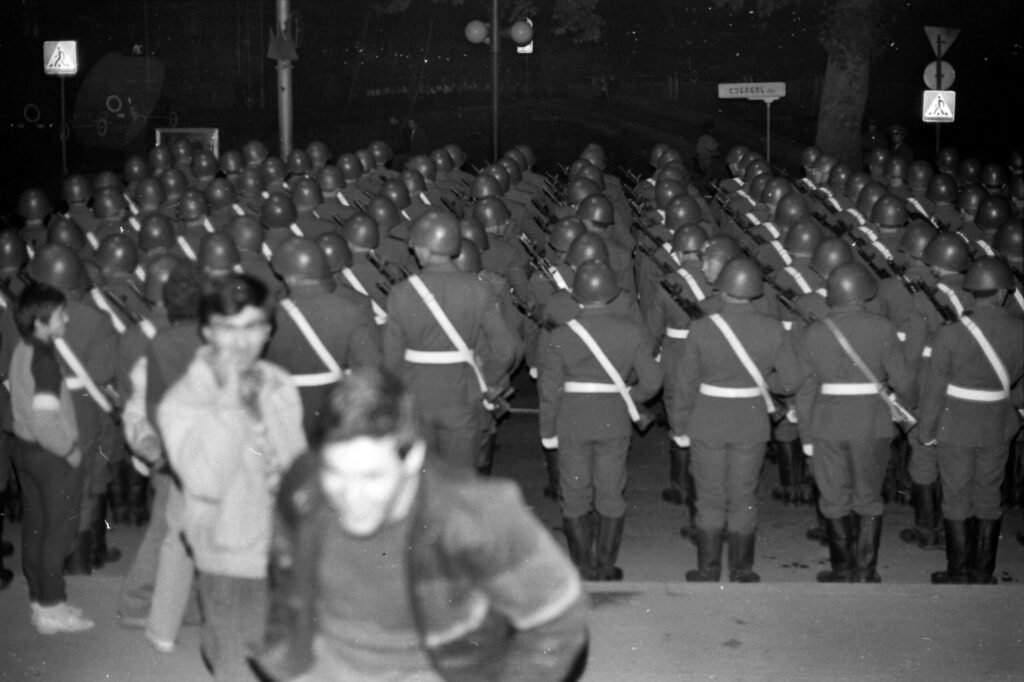
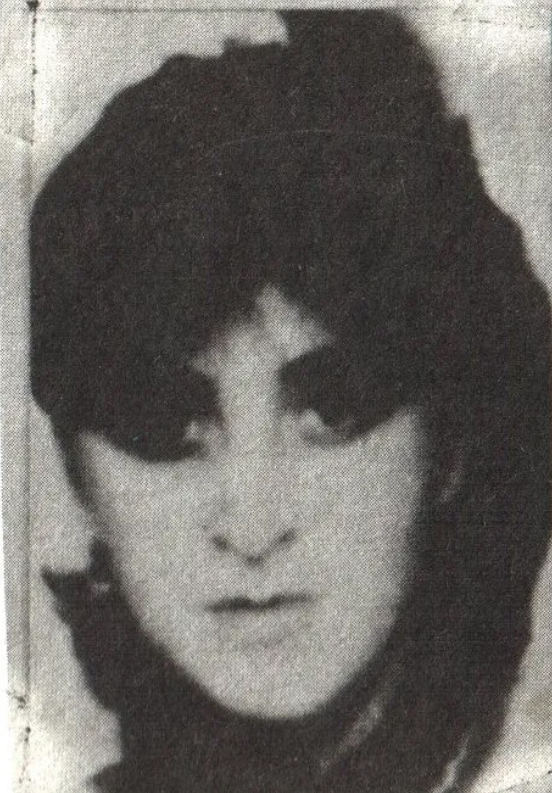
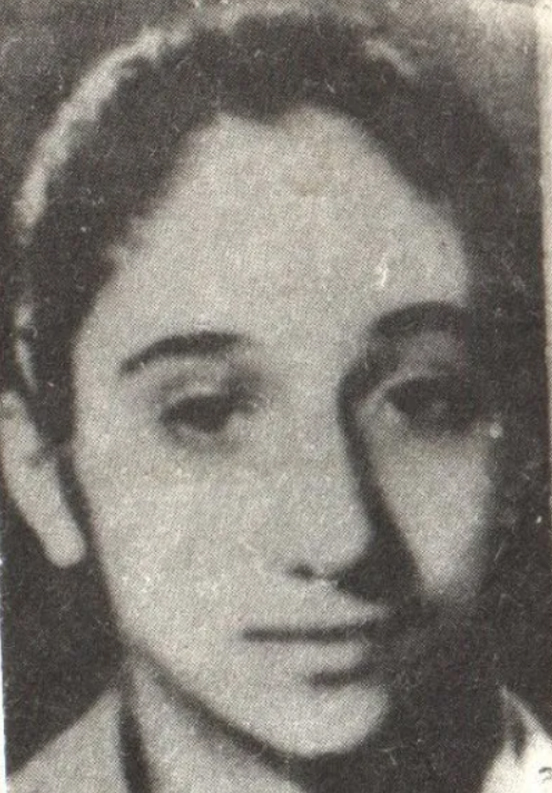
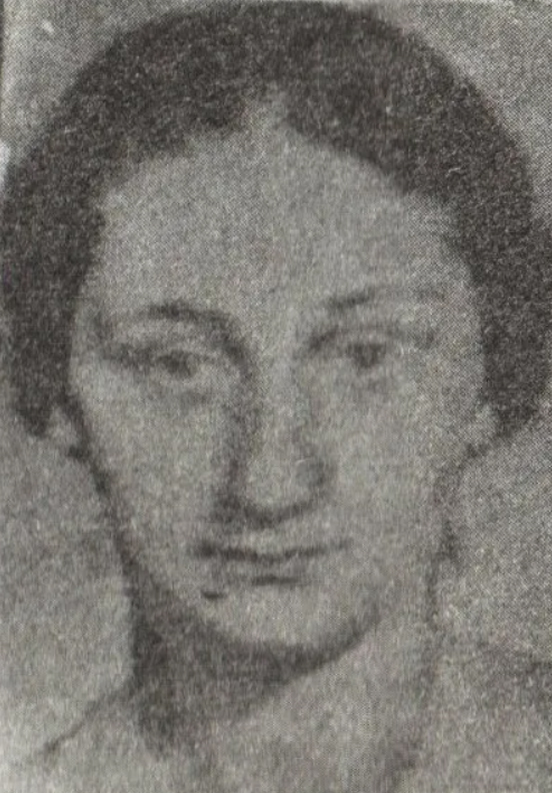
Its pages document the night of April 9, 1989, when Soviet troops moved onto Rustaveli Avenue in Tbilisi to crush a peaceful demonstration demanding independence, deploying armored vehicles, toxic gas, and sharpened entrenching spades. Twenty-one were killed, hundreds wounded, and thousands poisoned. Every year, in an act of enduring remembrance, people gather on Rustaveli Avenue to cover the victims’ memorial in flowers. This gesture of solidarity has become so central to civic life that it is now built into official state and diplomatic protocol, while the date itself stands as a public holiday, marked on the calendar as the Day of National Unity and Civil Accord.
Yet on that same calendar, the date carries another historical weight. Two years after the tragedy, the Supreme Council made a decisive historic gesture, choosing the exact same day, April 9, 1991 to declare Georgia’s secession from the Soviet Union and the restoration of its independence. Today, there is a growing notion that this anniversary should become a symbol of triumph rather than mourning, not merely for declaring independence, but for openly proclaiming a struggle and seeing it through to the end, altering first Georgia’s destiny and then the global order. In the wake of the Tbilisi crackdown, a deep fear of turning military force against civilians emerged within the Soviet high command, a hesitation that came to be known as the “Tbilisi Syndrome.” Many argue that this paralysis fractured the Red Army’s military machinery and forced restraint at critical moments. Soon after came the million-strong human chain across the Baltics, then the fall of the Berlin Wall, and finally the collapse of the Soviet Union itself.
“And was such a heavy sacrifice even worth it for an outcome that was inevitable anyway?” It is a minority view that still holds firm: a crisis-ridden Soviet Union was bound to collapse sooner or later, and it all could have ended with far less bloodshed. No less grim is the legacy of the very first months of that newly won independence. Soon after the April Act, the national unity forged on that same Rustaveli Avenue devolved into armed civil conflict, culminating in the ousting of the first president, Zviad Gamsakhurdia. And the “civil accord” inscribed on the calendar remains an elusive condition. Even today, nearly forty years on, the picture of the crackdown night itself continues to spark debate. Was it a tragic series of accidents caused by a crowd crush and asphyxiation, as Soviet propaganda and official inquiries claimed? Or was it a premeditated massacre and a brutal, unequal clash against a punitive regiment, as the living memory of eyewitnesses insists?
Paradoxically, despite the gravity of these questions, the actual discourse continues to unfold somewhere just out of view, in private conversations, lost social media posts, and episodic television broadcasts. An outside observer would have to search hard to piece these fragments into a coherent picture. In reality, public consensus centers not on these essential issues, but on the sacralization of the date itself. In the national imagination, it stands as an untouchable monument, virtually precluding any critical intervention.
Perhaps this very untouchability has cemented the belief that the history of April 9 is secure and destined to pass down to future generations intact. For part of society, the memory of that night is so visceral that, decades later, the tragedy feels as raw as yesterday. This same inertia likely explains why, despite numerous studies, collective memory remains largely anchored to that single “Black Book,” which preserved the initial shock through photojournalism and period publications. This vital document now stands as a family relic – a monument on a shelf, the first thing that comes to mind at the mention of April 9. Yet, as a product of its time, the material within it reflects the official language and formalized tone of that era. The public narrative naturally centered on the fallen and political leaders, while the private experiences of thousands of survivors and ordinary families, the unvarnished oral histories that weave the true, living fabric of that night, inevitably fell beyond its scope.
I recently ran into a friend I had not seen in years. I told him how the archive was taking shape and asked if he had any memories of his own. He recalled how bitterly cold it was that night. Before heading to the rally, he took a hot shower and bundled up in a knitted hat and scarf to ward off the chill. Hours later, it was that very hat and scarf that shielded him from losing consciousness, allowing him to pull other protesters out of the gas-filled epicenter. I thought about recording his voice on the spot, but we agreed that once the platform was ready, he would choose the photographs himself and record his story alongside them. When the archive was nearly finished, my daughter called to tell me that Nika had suddenly died.
It is precisely such individual voices that keep collective memory from turning to stone, especially today, when an entire generation has come of age for whom 1989 is no longer personal biography, but merely inherited history. For what will remain of it once the direct participants finally fade away? What will fill a myth whose human details are lost to oblivion and if the past becomes nothing more than official texts and ritual scenery, how much greater is the risk of repeating the cycle?
This archival installation is an attempt to gather these scattered traces, create an open space, and reexamine the consequences. We invite you to become a co-author of the 9 April Social Memory Archive: record your voice, share your personal recollections and perspectives, submit photographs preserved in your family archives, and add your fragment to the shared memory.
საქართველოში, თითქმის ნებისმიერ საოჯახო ბიბლიოთეკაში შეიძლება შევხვდეთ ერთგვარ ლიტერატურულ სამებას: „ბიბლიას“, „ვეფხისტყაოსანს“ და ერთ სქელტანიან, შავ წიგნს, რომელსაც „9 აპრილი“ აწერია. 1990 წელს გამოცემული ეს კრებული არც პოეზიაა და არც წმინდა წერილი, მაგრამ თავის თავში ორივეს აერთიანებს და საქართველოს თავისუფლებისთვის ბრძოლის დოკუმენტურ ქრონიკას წარმოადგენს. უფრო სწორედ, ერთი ღამის გარშემო განვითარებული მოვლენების ქრონიკას. ღამის, რომელმაც მითოლოგიური სტატუსი შეიძინა და თანამედროვე ცნობიერების ფორმირებაზე უდიდესი გავლენა იქონია.
მის ფურცლებზე 1989 წლის 9 აპრილის ღამეა აღბეჭდილი, როდესაც თბილისში, რუსთაველის გამზირზე, საბჭოთა არმიამ დამოუკიდებლობის მოთხოვნით გამართული მშვიდობიანი დემონსტრაცია ჯავშანტექნიკით, მომწამვლელი გაზითა და ალესილი სასანგრე ნიჩბებით დაარბია. დაიღუპა 21, დაიჭრა ასობით და მოიწამლა ათასობით ადამიანი. მარადიული ხსოვნის ნიშნად, ხალხი ყოველწლიურად იკრიბება რუსთაველის გამზირზე და დაღუპულთა მემორიალს ყვავილებით ამკობს. სოლიდარობის ეს ჟესტი სამოქალაქო ცხოვრების იმდენად მნიშვნელოვან ელემენტად იქცა, რომ მასში მონაწილეობა სამთავრობო და დიპლომატიური მისიების პროტოკოლშიც კია გათვალისწინებული. ხოლო თავად თარიღი უქმედაა გამოცხადებული და კალენდარში ეროვნული ერთიანობისა და სამოქალაქო თანხმობის დღედ არის შეტანილი.
თუმცა იგივე თარიღი, იმავე კალენდარში, სხვა ისტორიულ დატვირთვასაც ატარებს. თბილისის ტრაგედიიდან ორი წლის თავზე, 1991 წელს, უზენაესმა საბჭომ სიმბოლურად სწორედ 9 აპრილს გამოაცხადა საქართველოს რესპუბლიკის საბჭოთა კავშირიდან გასვლა და დამოუკიდებლობის აღდგენა.
დღეს სულ უფრო ხშირად ისმის ის აზრი, რომ ეს თარიღი გლოვის ნაცვლად, გამარჯვების სიმბოლოდ უნდა იქცეს – არა მხოლოდ დამოუკიდებლობის გამოცხადების, არამედ უშუალოდ იმ ბრძოლის გაცხადების და ბოლომდე მიყვანის გამო, რომელმაც პირველ რიგში საქართველოს ბედი, შემდეგ კი მსოფლიოს წყობა შეცვალა. თბილისის მოვლენების შემდეგ, საბჭოთა გენერალიტეტში საკუთარი მოქალაქეების წინააღმდეგ ძალის გამოყენების შიში გაჩნდა – ეგრეთ წოდებული „თბილისის სინდრომი“. ბევრის შეფასებით, წითელი არმიის სამხედრო მექანიზმიც ამან შეარყია და გადამწყვეტ მომენტებში ძალადობრივი მეთოდებისგან თავის შეკავება აიძულა, რასაც მალევე ჯერ ბალტიისპირეთის მილიონიანი ცოცხალი ჯაჭვი, შემდეგ ბერლინის კედლის და ბოლოს საბჭოთა კავშირის ნგრევა მოჰყვა.
„და ღირდა საერთოდ ამხელა მსხვერპლის გაღება შედეგისთვის, რომელიც ისედაც გარდაუვალი იყო?“ – უმცირესობაშია, მაგრამ მყარად დგას პოზიცია, რომ კრიზისში შესული საბჭოთა კავშირი ადრე თუ გვიან ისედაც დაიშლებოდა და ყველაფრის გაცილებით უსისხლო გზით დასრულება შეიძლებოდა. უმძიმესია მოპოვებული დამოუკიდებლობის პირველივე თვეების მემკვიდრეობაც. აპრილის აქტიდან სულ მალე, იმავე რუსთაველის გამზირზე შემდგარი ეროვნული ერთიანობა შეიარაღებულ სამოქალაქო დაპირისპირებაში გადაიზარდა და პირველი პრეზიდენტის, ზვიად გამსახურდიას ქვეყნიდან განდევნით დასრულდა. კალენდარში შეტანილი „სამოქალაქო თანხმობა“ კი ჯერაც მიუღწეველ პირობად რჩება. დღემდე, მოვლენებიდან თითქმის ორმოცი წლის გასვლის შემდეგაც, პოლემიკას იწვევს უშუალოდ დარბევის ღამის სურათიც: იყო ეს ჭყლეტის და ასფიქსიის შედეგად განვითარებული უბედური შემთხვევების სერია – როგორც ამას საბჭოთა პროპაგანდა და ოფიციალური დასკვნები აღწერდა, – თუ წინასწარ დაგეგმილი სასაკლაო და საეგზეკუციო პოლკთან გამართული უთანასწორო, სასტიკი ბრძოლა, რომლის მეხსიერებასაც თვითმხილველები ატარებენ?
საინტერესოა, რომ ასეთი სიმწვავის მიუხედავად, მთელი დისკურსი სადღაც პირად საუბრებში, სოციალურ ქსელებში დაკარგულ პოსტებსა და ეპიზოდურ სატელევიზიო გადაცემებში ვითარდება. გაუთვითცნობიერებელმა ადამიანმა ბევრი უნდა ეძებოს, რომ ამ ფრაგმენტებიდან მთლიანი სურათი ააწყოს. რეალურად რომ შევხედოთ, საჯარო სივრცეში საზოგადოება არსებით საკითხებზე მეტად თავად თარიღის საკრალიზაციაზე უფროა შეთანხმებული. ეროვნულ ცნობიერებაში ის ხელშეუხებელ ძეგლადაა აღმართული და თითქმის ნებისმიერ კრიტიკულ ინტერვენციას გამორიცხავს.
შესაძლოა, ამ ხელშეუხებლობის სტატუსმა შექმნა რწმენაც, რომ 9 აპრილის ისტორიას არაფერი ემუქრება და მუდამ უცვლელად გადაეცემა შთამომავლობას. საზოგადოების ერთი ნაწილისთვის ეს ღამე იმდენად ახლოა და მისი განცდა იმდენად მძაფრი, რომ განვლილი ათწლეულების მიუხედავად, ტრაგედიასთან კავშირს დღესაც გუშინდელივით ინარჩუნებს. იმავე ინერციით უნდა აიხსნებოდეს ისიც, რომ არაერთი კვლევის მიუხედავად, კოლექტიური მეხსიერება მაინც იმ ერთ „შავ წიგნამდე“ დადის, რომელმაც პირველი შოკი ფოტო-რეპორტაჟებითა და იმდროინდელი საგაზეთო პუბლიკაციების შეკრებით აღბეჭდა. ეს უმნიშვნელოვანესი დოკუმენტი, ერთგვარ საოჯახო რელიკვიად, თაროზე გამოფენილ მონუმენტად იქცა, რომელიც 9 აპრილის ხსენებისას პირველი წარმოუდგება ადამიანს თვალწინ. თუმცა მასში გაერთიანებული მასალა მაინც ოფიციალური ენით და რედაქტირებული ტექსტებით არის გადმოცემული. საჯარო ნარატივი ბუნებრივად ფოკუსირდება დაღუპულებსა და პოლიტიკურ ლიდერებზე, ამ ფორმალიზებული ქრონიკის მიღმა კი დარჩენილია ათასობით გადარჩენილისა და რიგითი ოჯახების პირადი გამოცდილებები, ის დაუფარავი ზეპირი ისტორიები, რომლებიც მოვლენის ნამდვილ, ცოცხალ ქსოვილს ქმნის.
დიდი ხნის უნახავ მეგობარს შევხვდი. არქივის განვითარებაზე მოვუყევი და ვკითხე, თავადაც ხომ არ გაიხსენებდა რამეს. მითხრა, რომ იმ ღამეს ძალიან სუსხიანი ამინდი იყო. მიტინგზე წასვლამდე ცხელი წყალი გადაივლო და გაციებისგან თავის დასაცავად ნაქსოვი ქუდი და შარფი მოიხვია. მოგვიანებით სწორედ ამან იხსნა გონების დაკარგვისგან და გაზით მოწამლული ეპიცენტრიდან სხვა დემონსტრანტების გამოყვანის საშუალება მისცა. ვიფიქრე, მისი ხმა იქვე ჩამეწერა, მაგრამ შევთანხმდით, რომ როდესაც პლატფორმა საბოლოოდ გაიმართებოდა, თვითონ ამოირჩევდა ფოტოებს და ხმას ისე დატოვებდა. როდესაც არქივზე მუშაობა თითქმის დასრულებული იყო, ჩემმა შვილმა დამირეკა და მითხრა, რომ ნიკა მოულოდნელად გარდაიცვალა.
რეალურად, ასეთი ინდივიდუალური ხმებია ის, რაც კოლექტიურ მეხსიერებას გაქვავებისგან იცავს. მით უმეტეს დღეს, როდესაც უკვე გაიზარდა მთელი თაობა, რომლისთვსაც 1989 წელი აღარ არის პირადი ბიოგრაფია და მხოლოდ გადმოცემით მიღებული ისტორიაა. რადგან რა დარჩება მისგან, როდესაც უშუალო მონაწილეების ხმა საბოლოოდ გაქრება? რითი შეივსება მითი, რომლის ადამიანური დეტალებიც დავიწყებას ეძლევა და თუ წარსული მხოლოდ ოფიციალურ ტექსტებად და რიტუალურ დეკორაციად იქცევა, რამდენად გაიზრდება ახალ წრეზე წასვლის ალბათობა?
ეს საარქივო ინსტალაცია ამ გაფანტული მეხსიერების შეკრების, ღია სივრცის შექმნის და შედეგების ხელახალი გააზრების მცდელობაა. გახდით „9 აპრილის საზოგადოებრივი მეხსიერების არქივის“ თანაავტორი: ჩაიწერეთ თქვენი ხმა, გაგვიზიარეთ პირადი მოგონება და შეხედულება, გამოგვიგზავნეთ საოჯახო არქივებში შემონახული ფოტო მასალა და დაამატეთ თქვენი ფრაგმენტი საერთო მეხსიერებას.
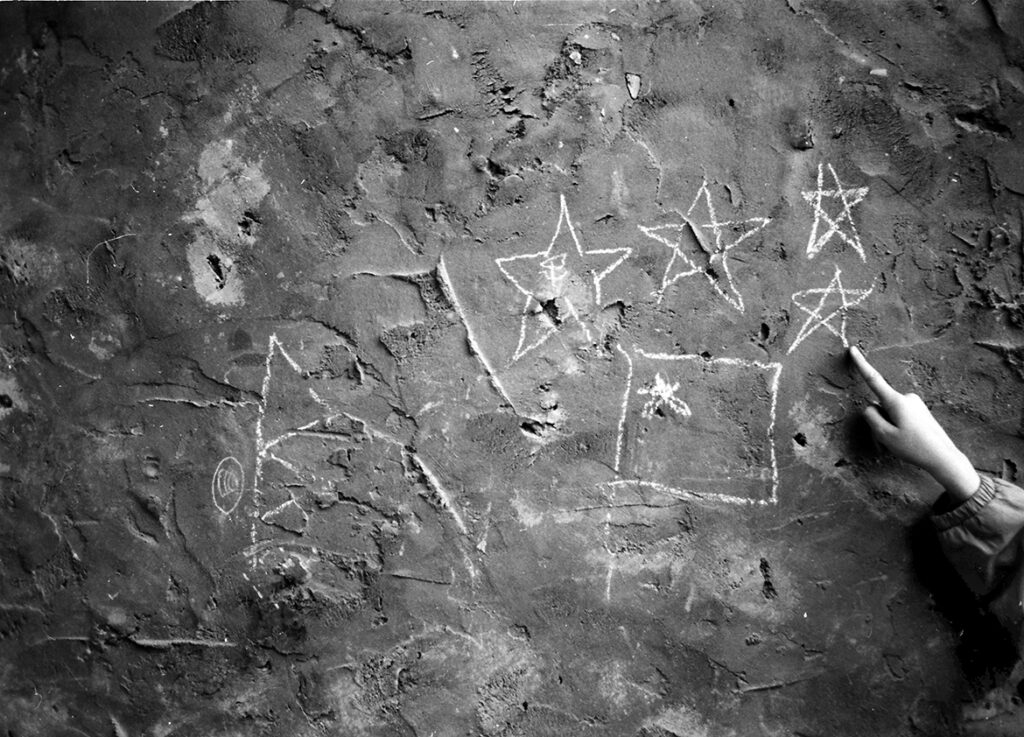
Photo: G. Tsibakhashvili / 1989
/ Speeches
/ Hunger Strikes
/ Demonstrations
Citizens protest the intention to separate the Autonomous Soviet Socialistic Republic of Abkhazia from the borders of Georgian SSR.
Demonstration was surrounded by the Soviet Soldiers and attended by the First Secretary of the Gudauta District Committee, Konstantin Ozgan
Soon protest will be grown into mass demonstrations demanding independence of Georgia from Soviet Union
Photo: Vasil Gabunia / 1 April, 1989
Due to heavy police surveillance, the photos were captured using a spy camera
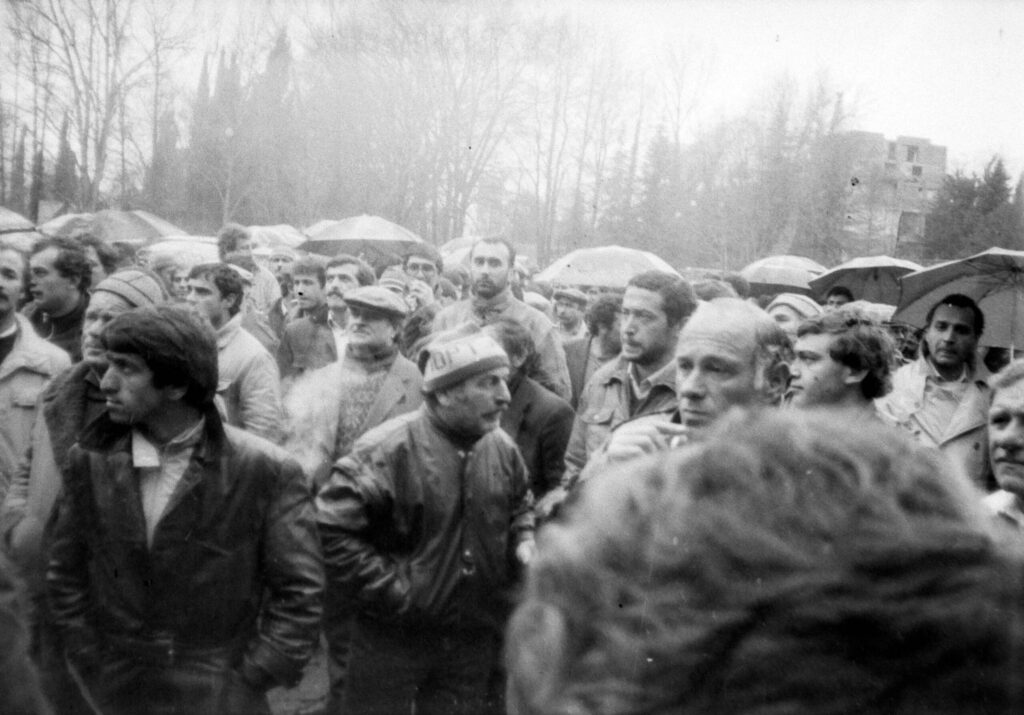
Photo: V. Gabunia / 1989
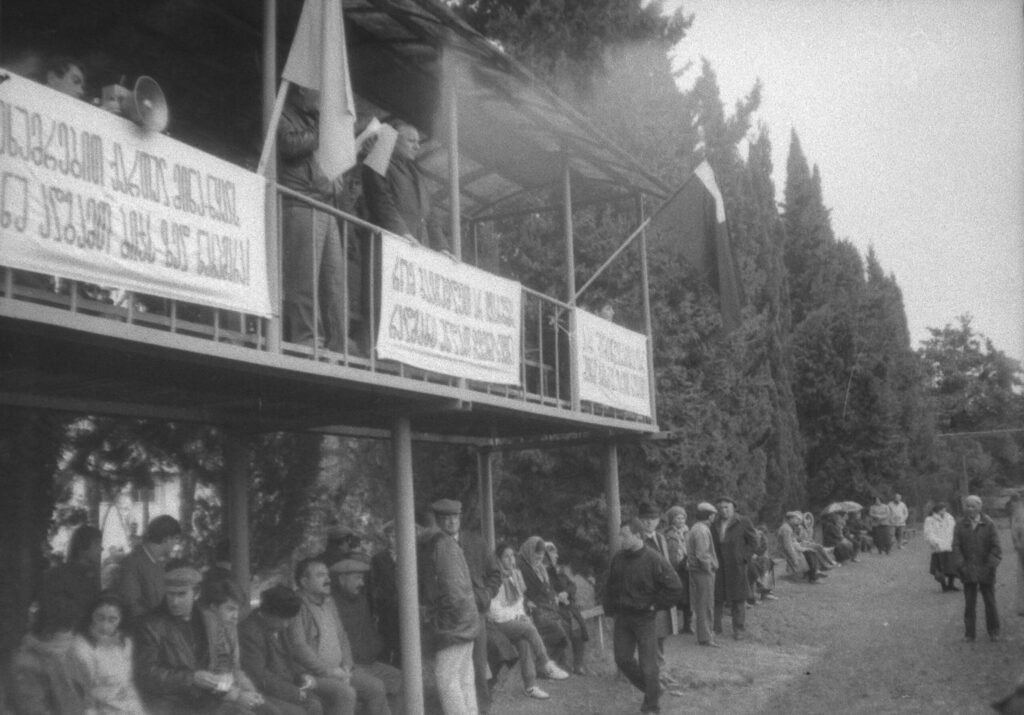
Photo: V. Gabunia / 1989
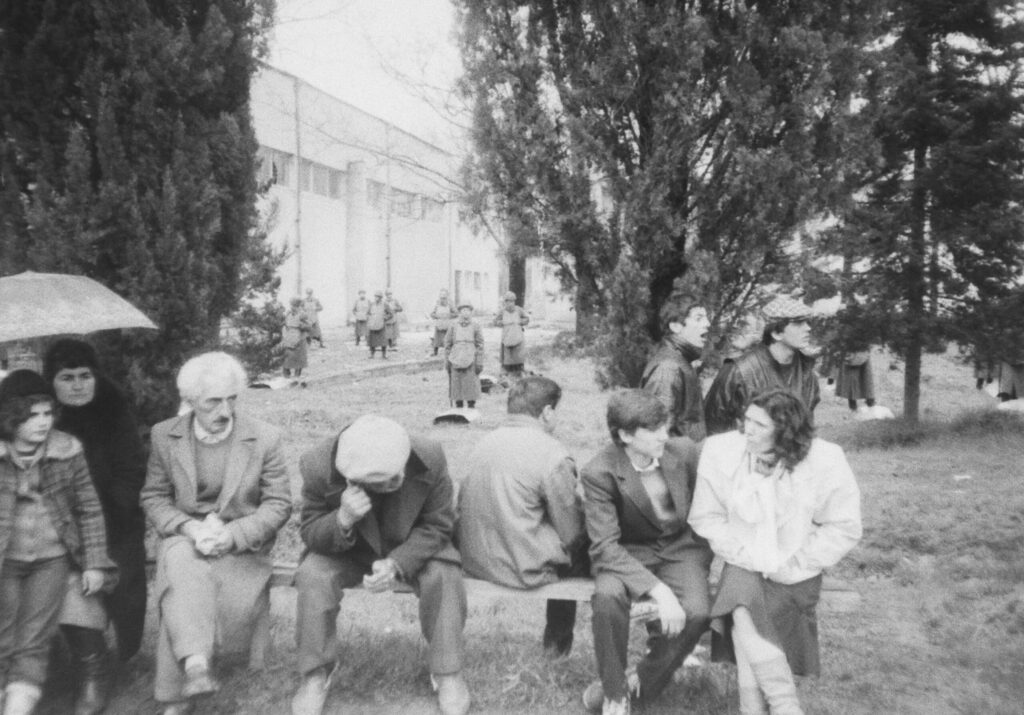
Photo: V. Gabunia / 1989
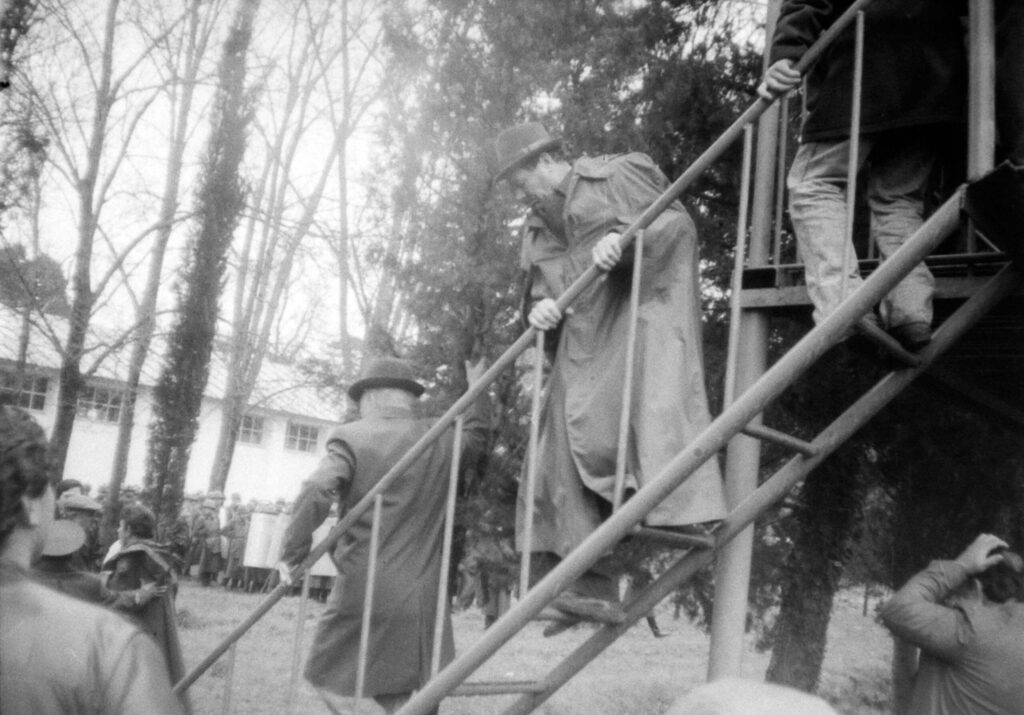
Photo: V. Gabunia / 1989
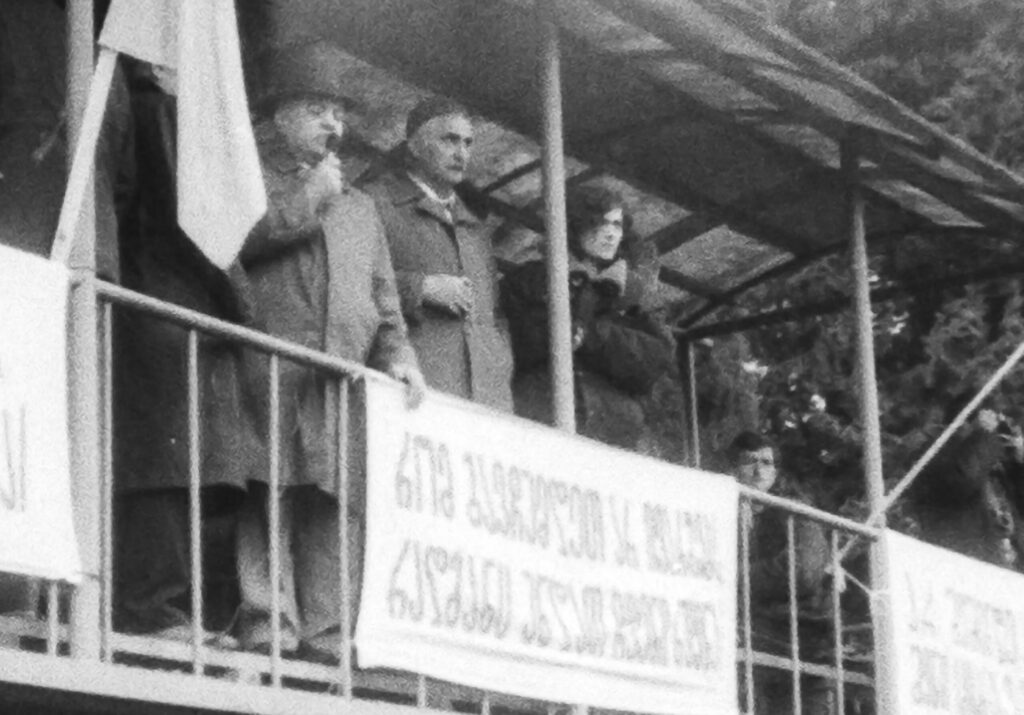
Photo: V. Gabunia / 1989
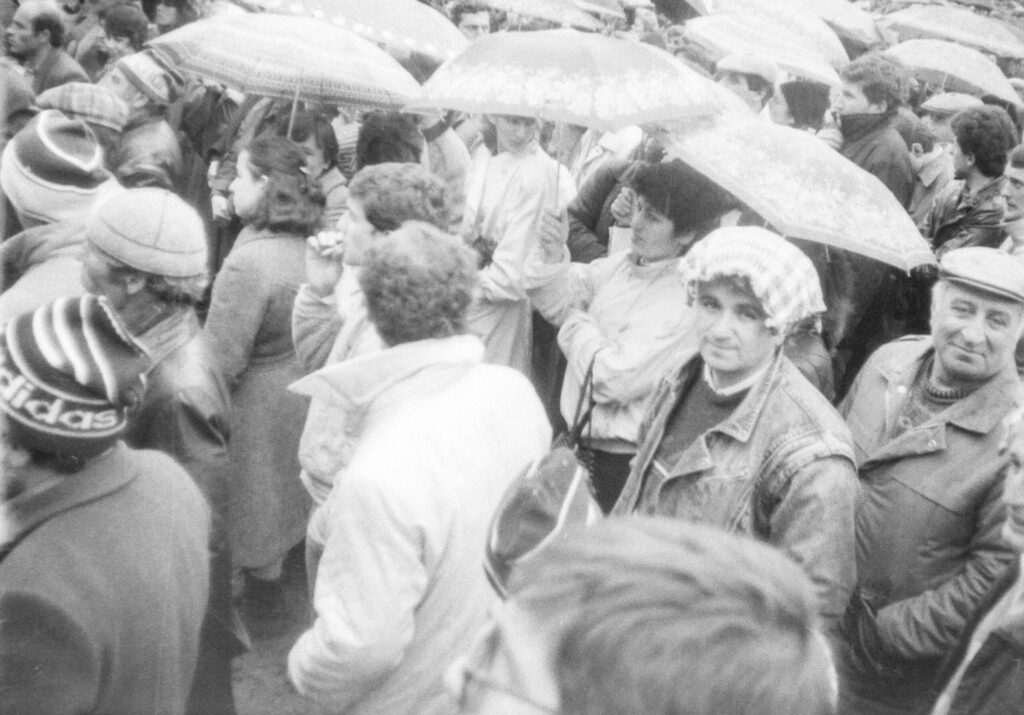
Photo: V. Gabunia / 1989
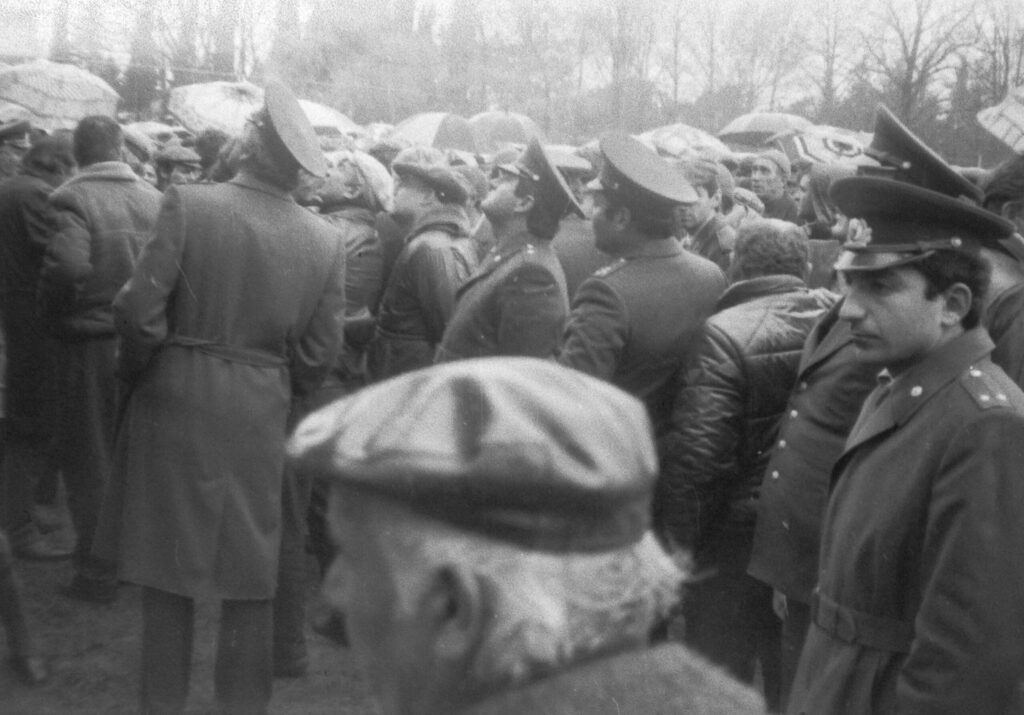
Photo: V. Gabunia / 1989
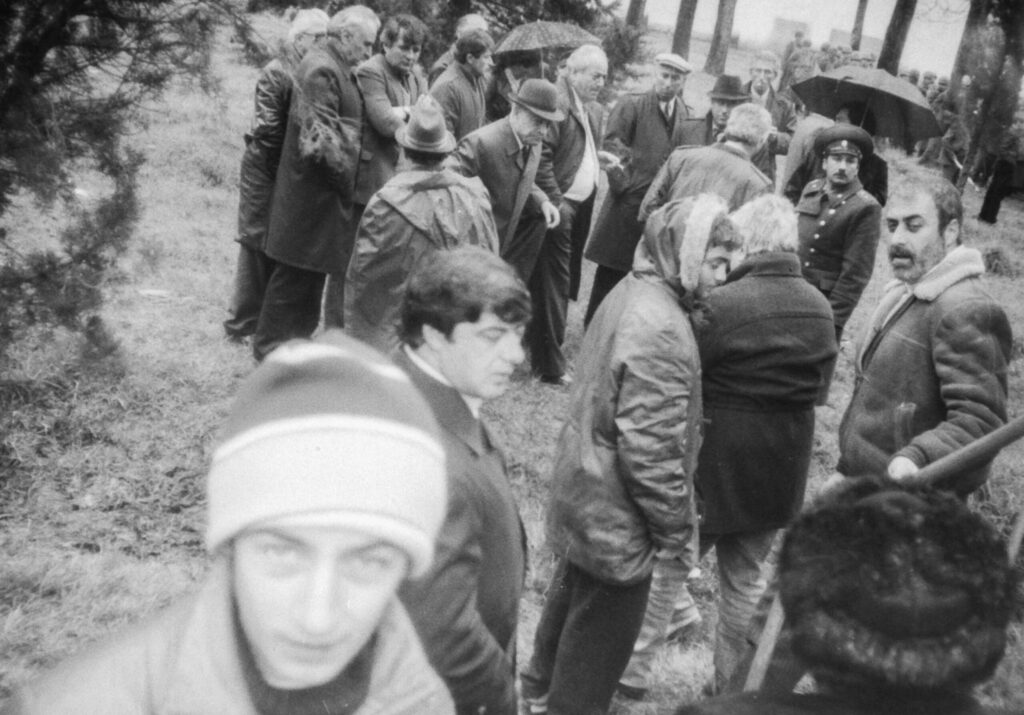
Photo: V. Gabunia / 1989
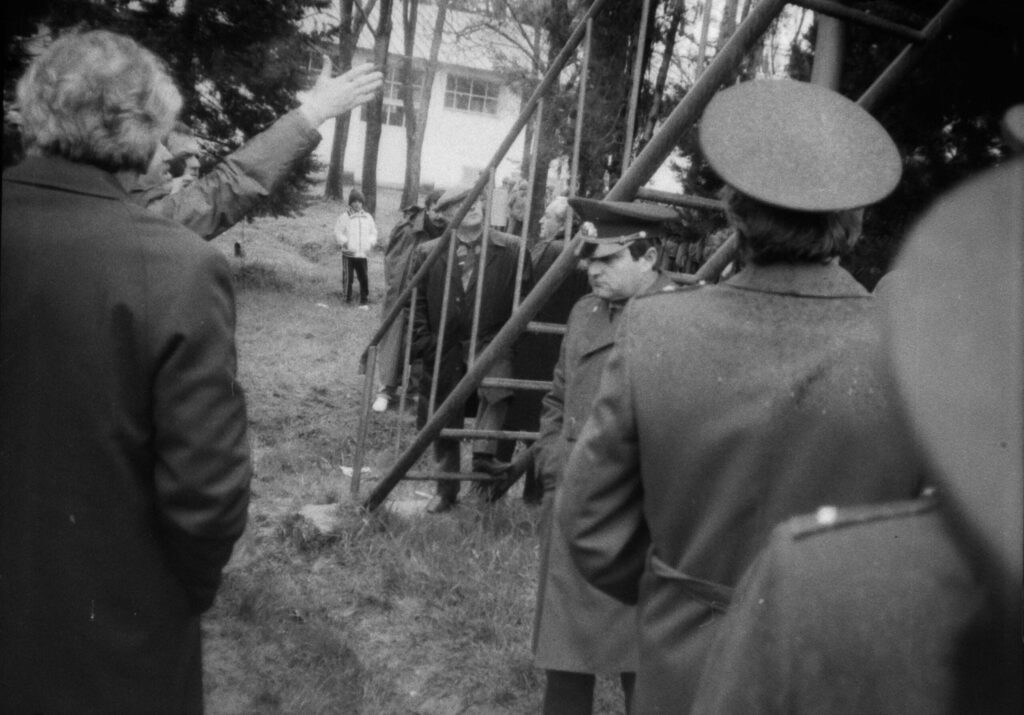
Photo: V. Gabunia / 1989
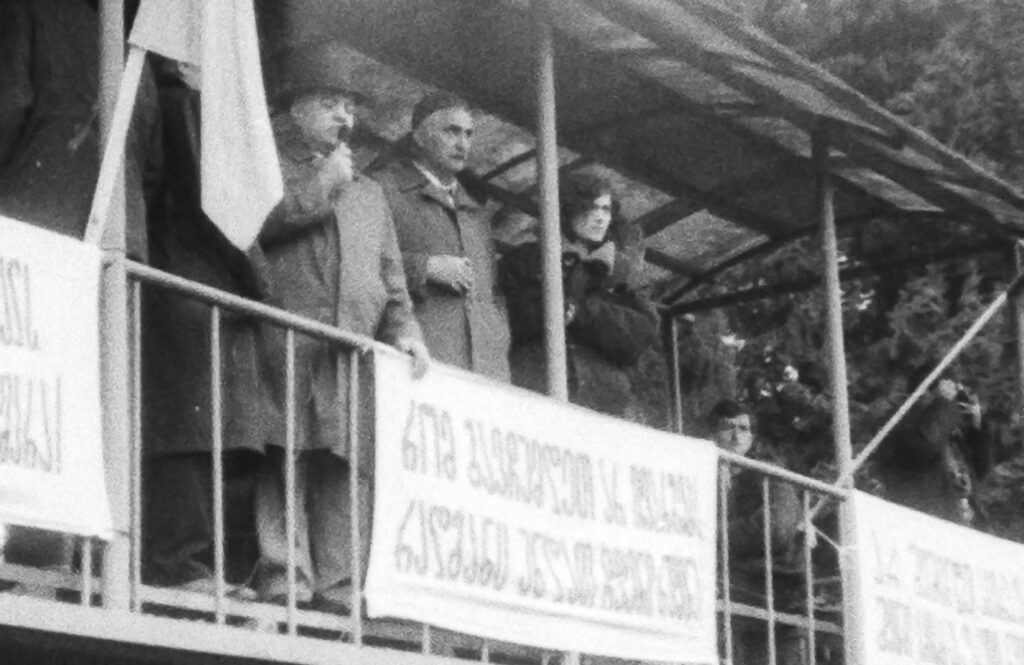
Photo: V. Gabunia / 1989
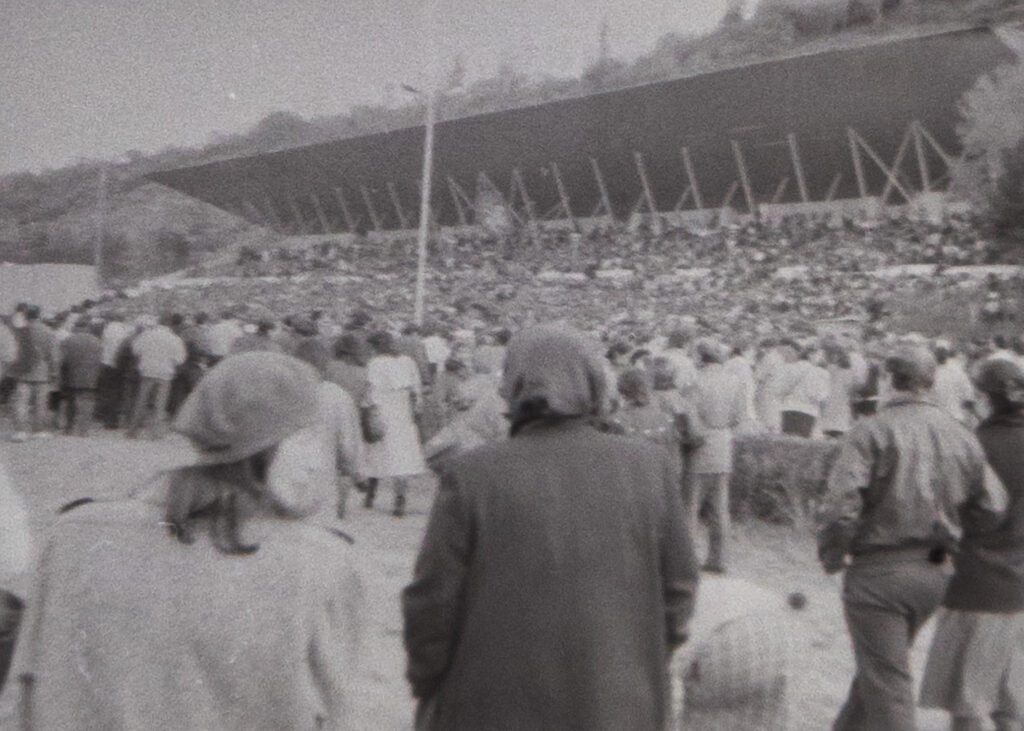
Photo: V. Gabunia / 1989
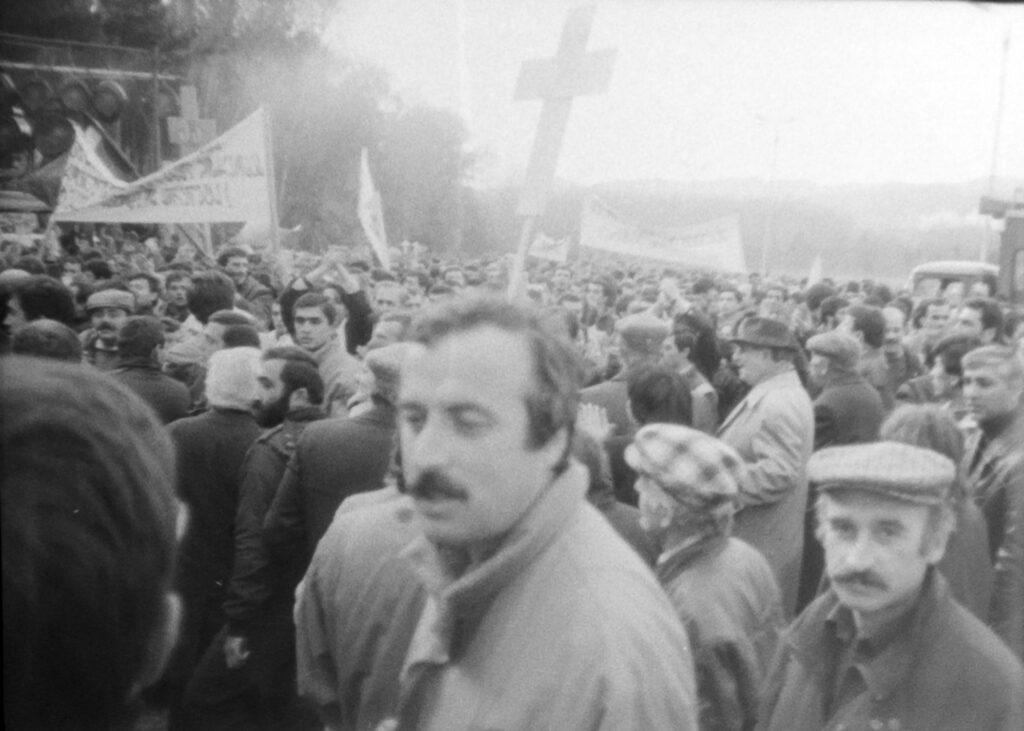
Photo: V. Gabunia / 1989
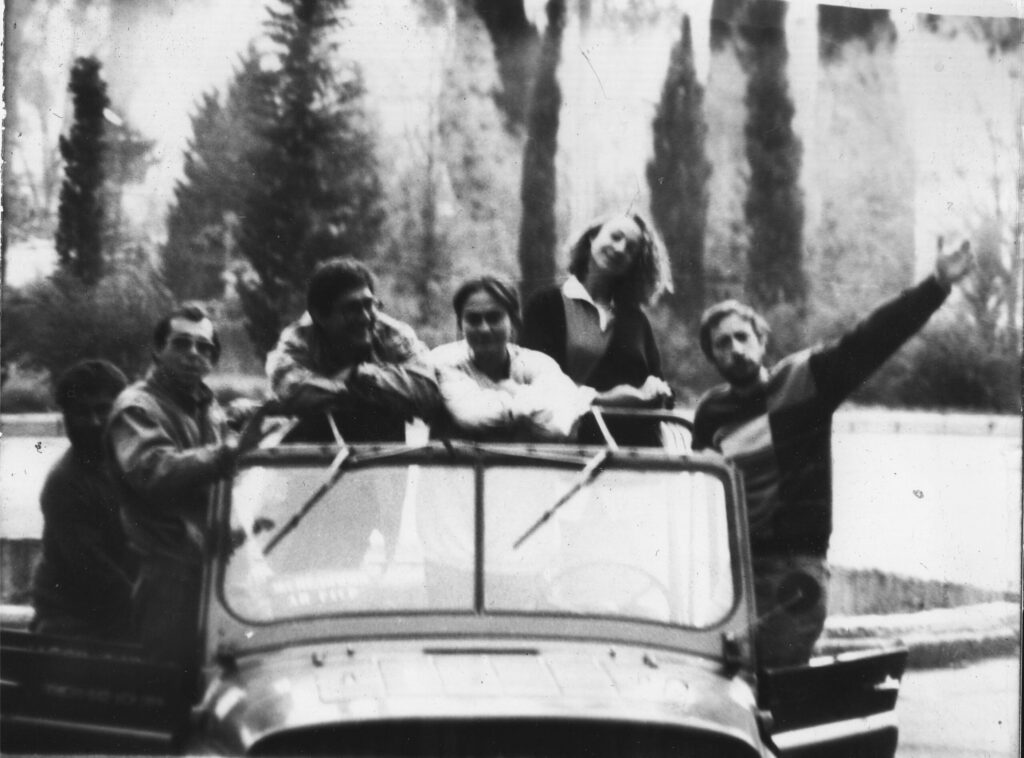
Photo: V. Gabunia / 1989
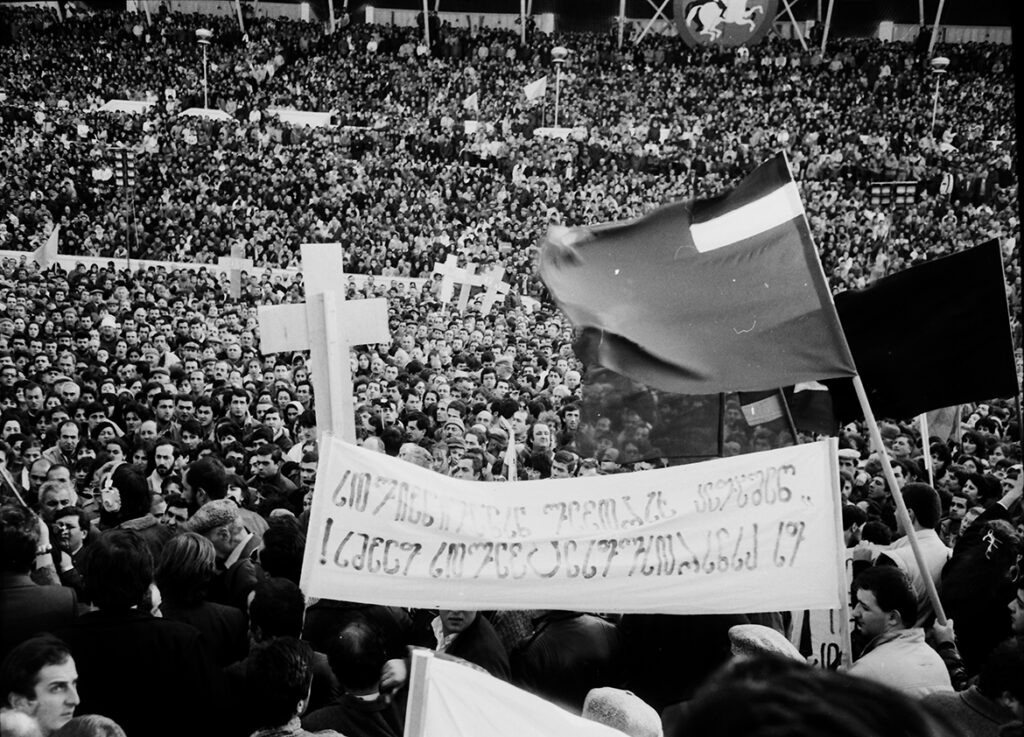
Photo: G. Tsibakhashvili / 1989
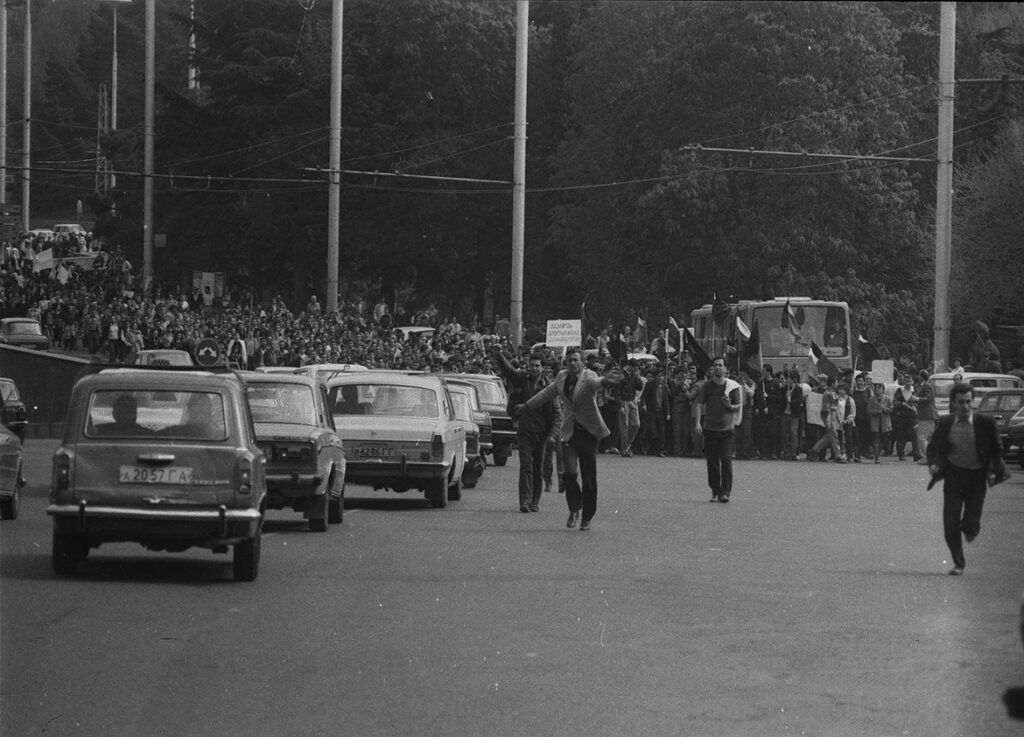
Photo: Y. Mechitov / 1989
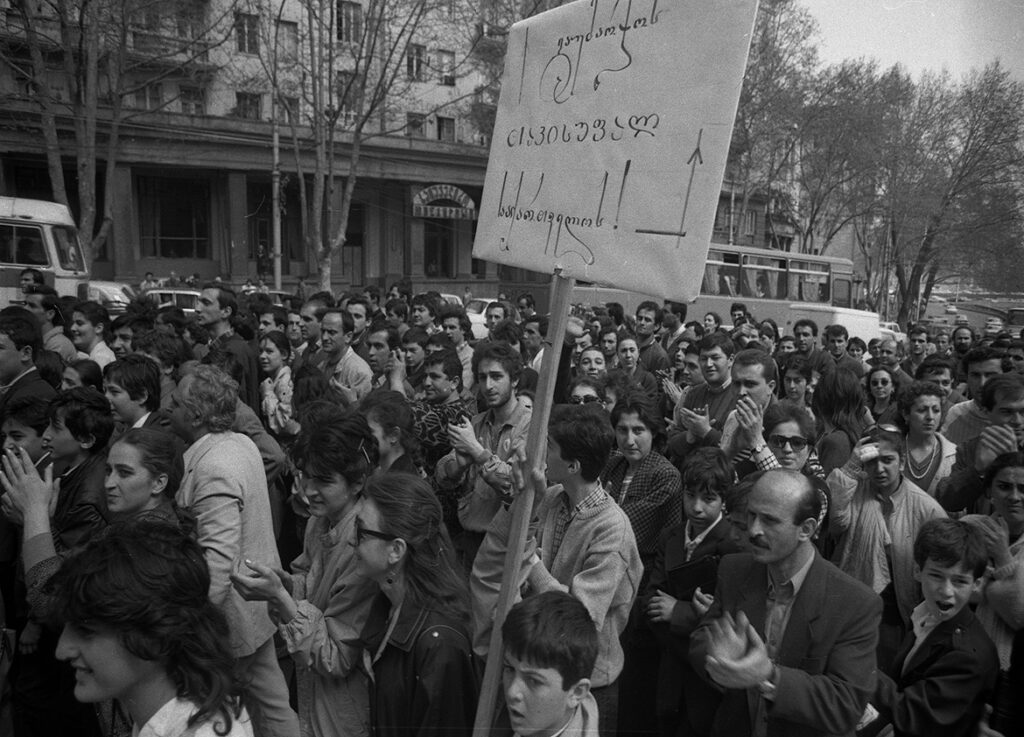
Photo: Y. Mechitov / 1989
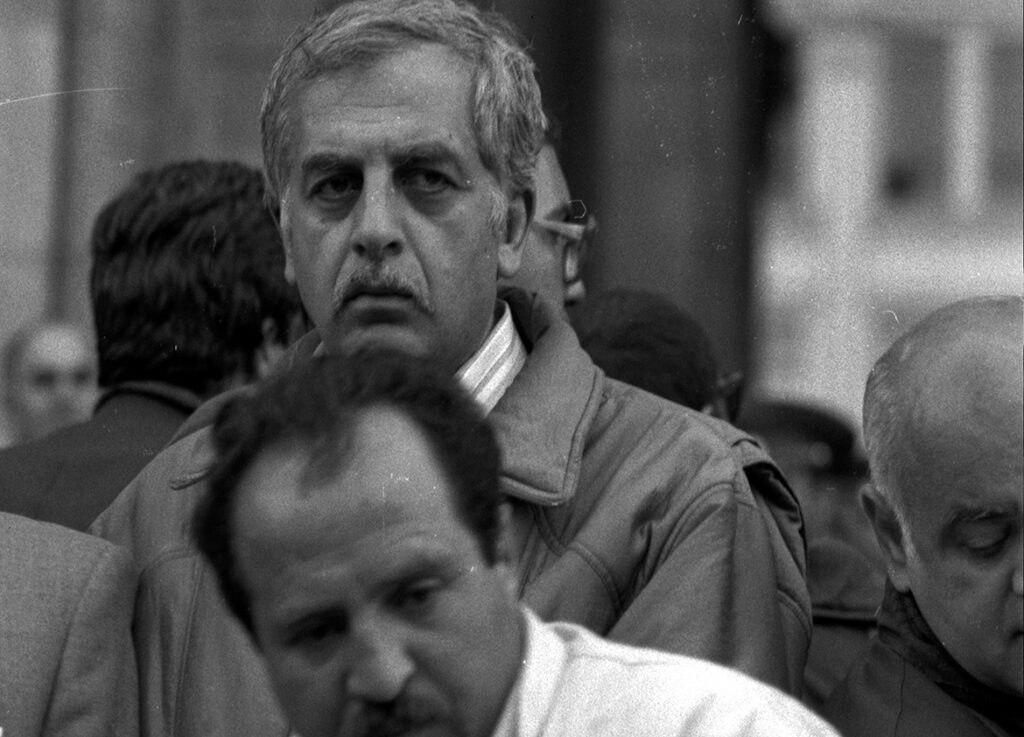
Photo: Y. Mechitov / 1989
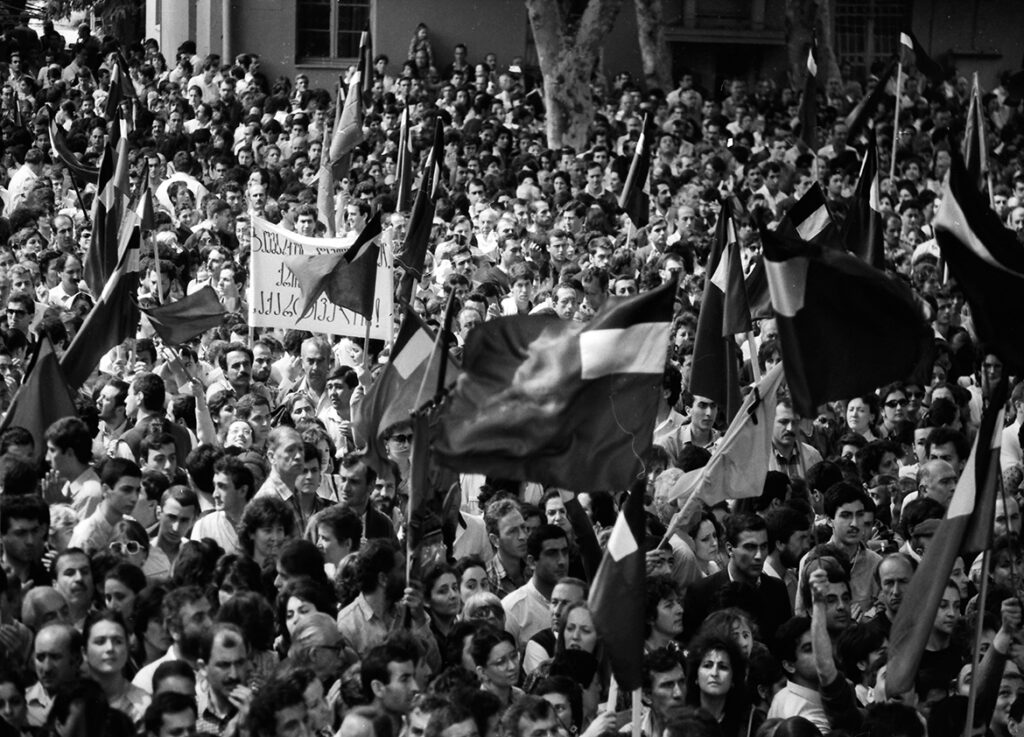
Photo: G. Tsibakhashvili / 1989
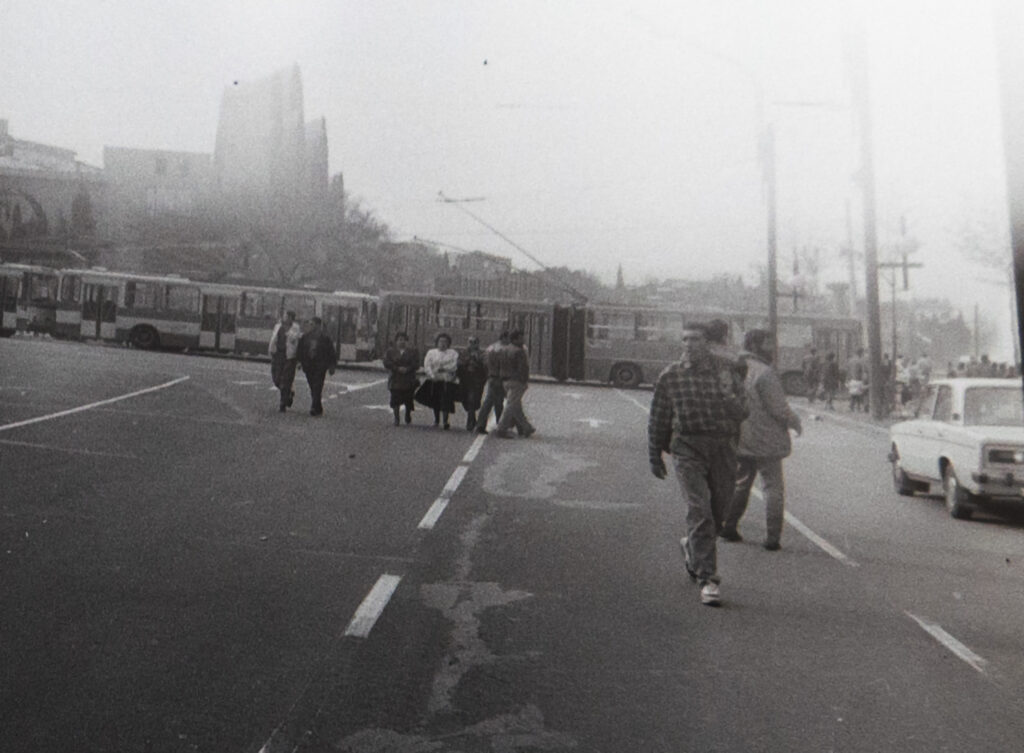
Photo: V. Gabunia / 1989
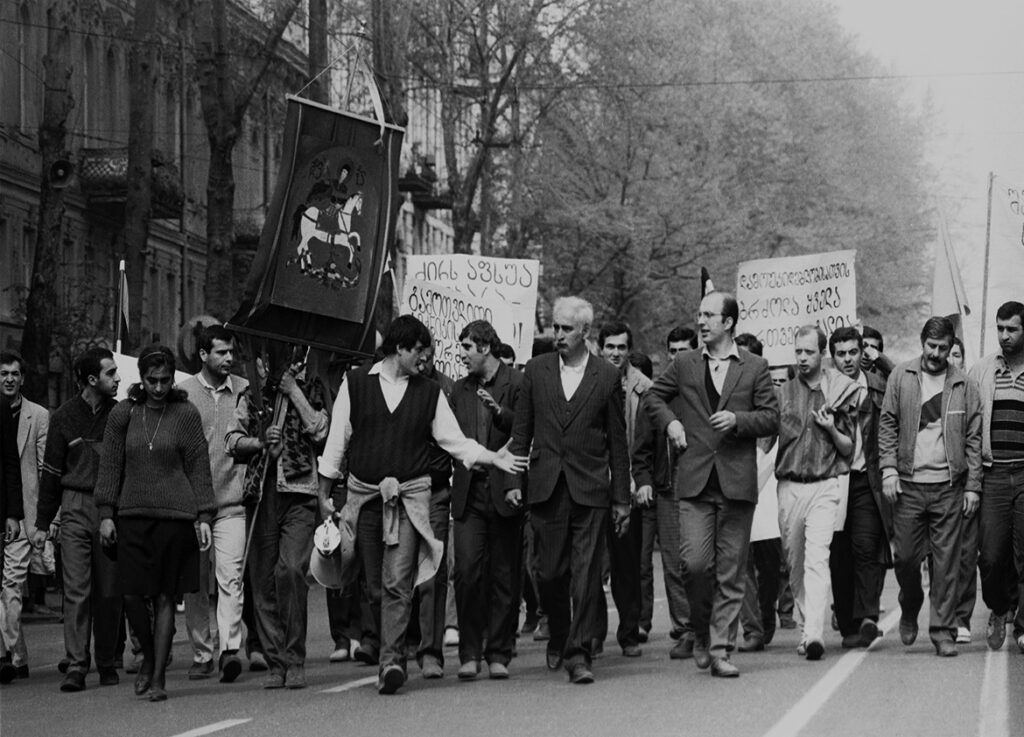
Photo: Y. Mechitov / 1989
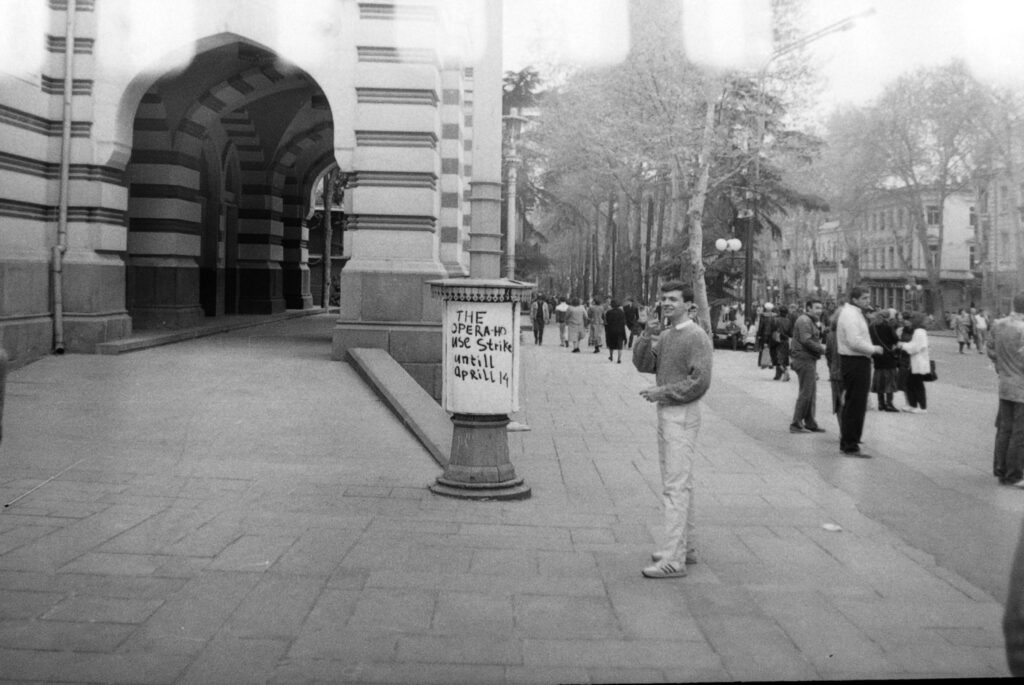
Photo: V. Gabunia / 1989
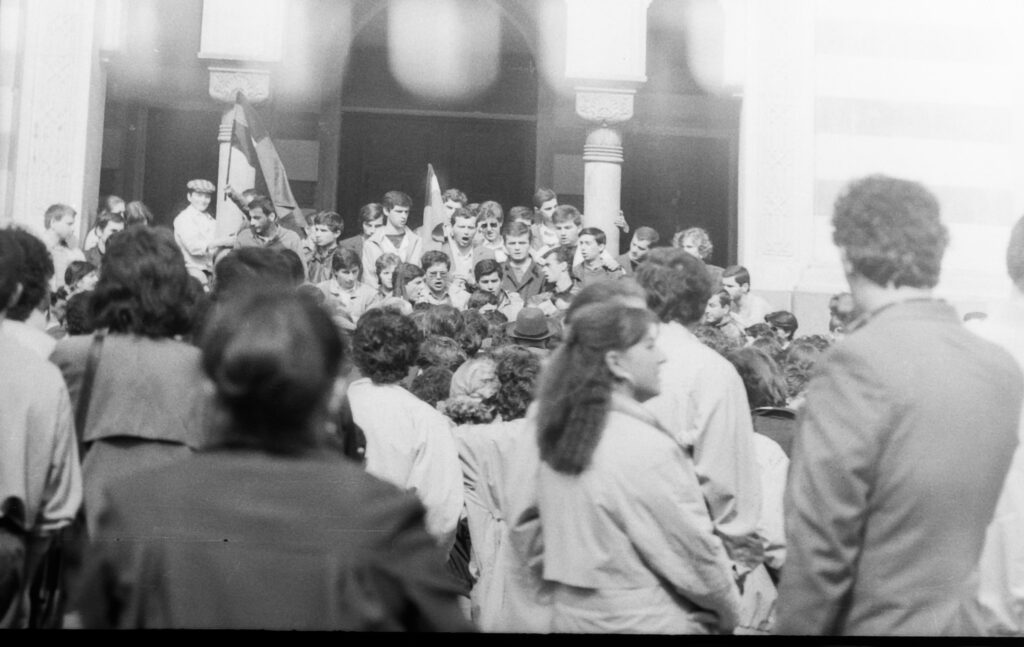
Photo: V. Gabunia / 1989
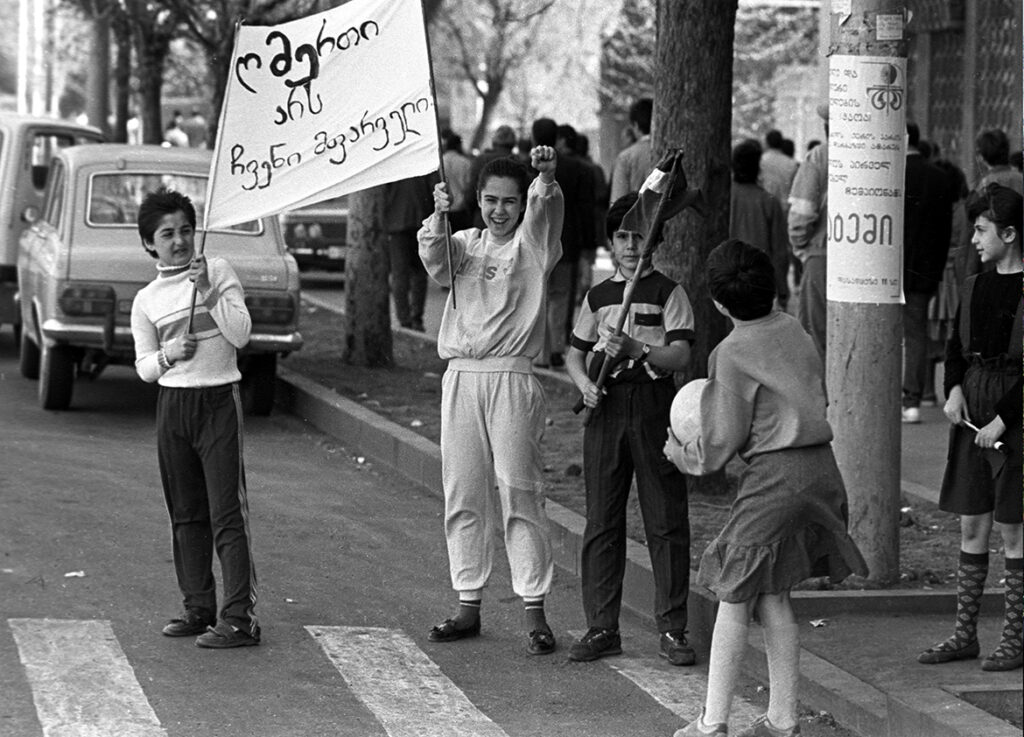
Photo: G. Tsagareli / 1989
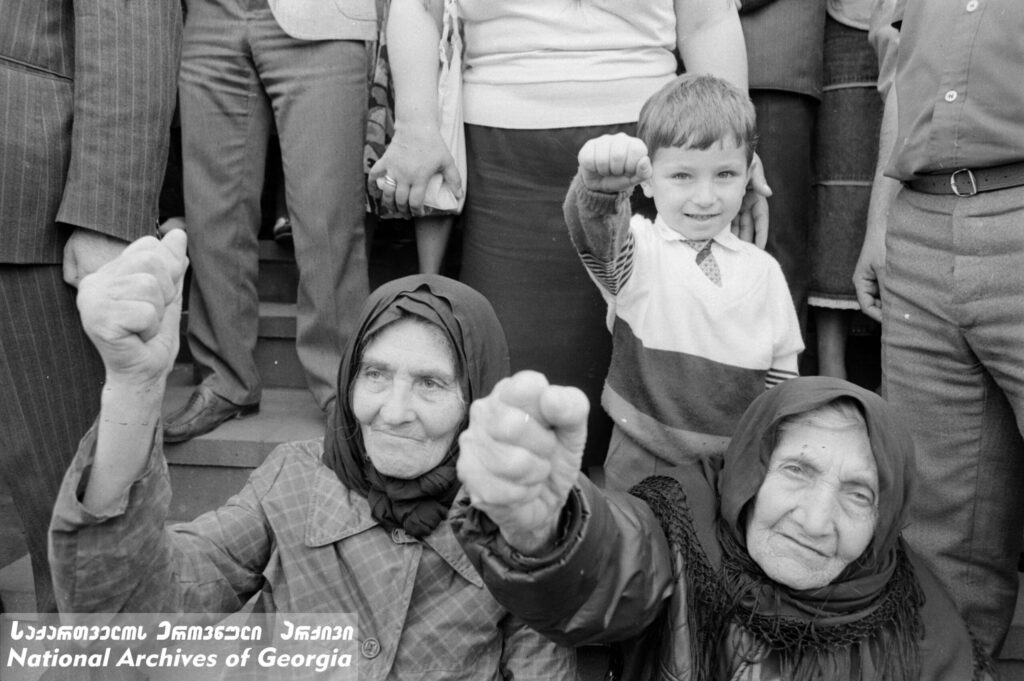
Photo: G. Kikvadze / 1989
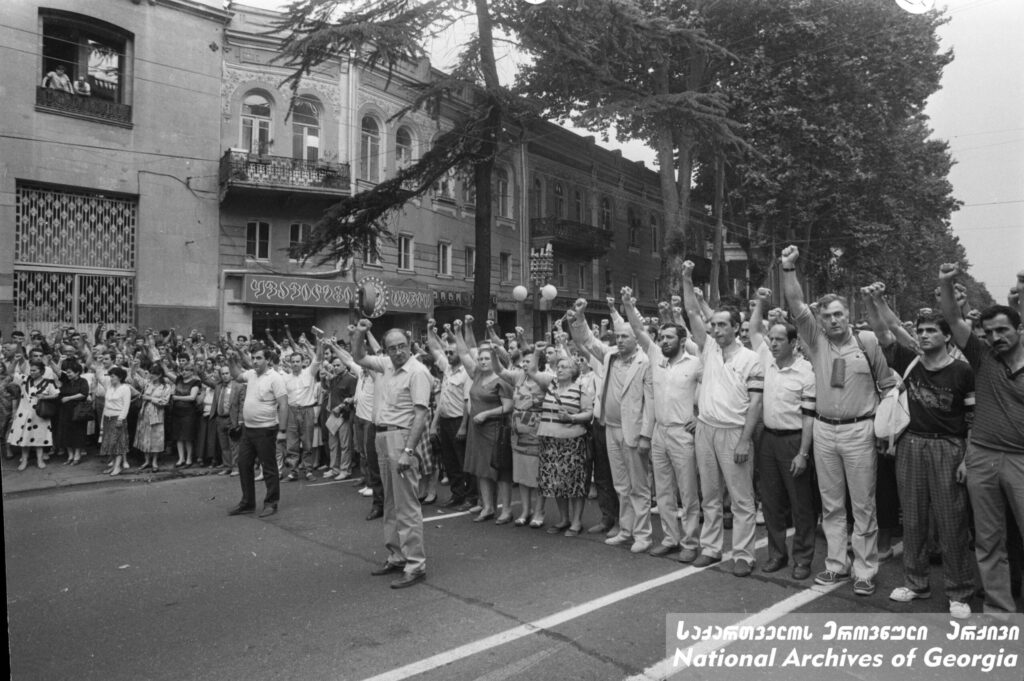
Photo: G. Kikvadze / 1989
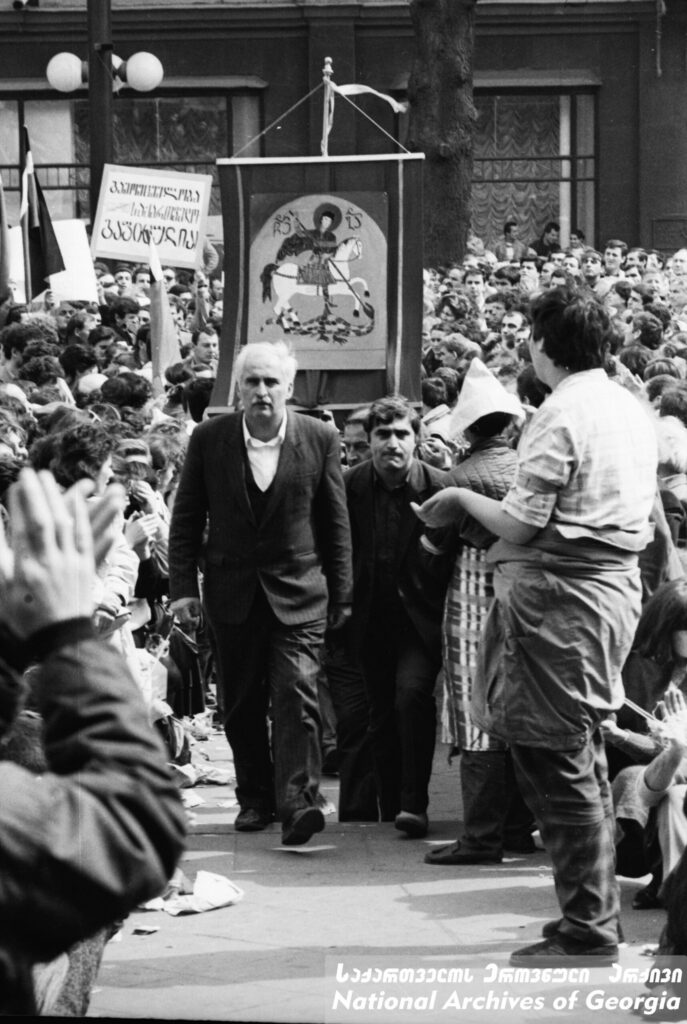
Photo: G. Kikvadze / 1989
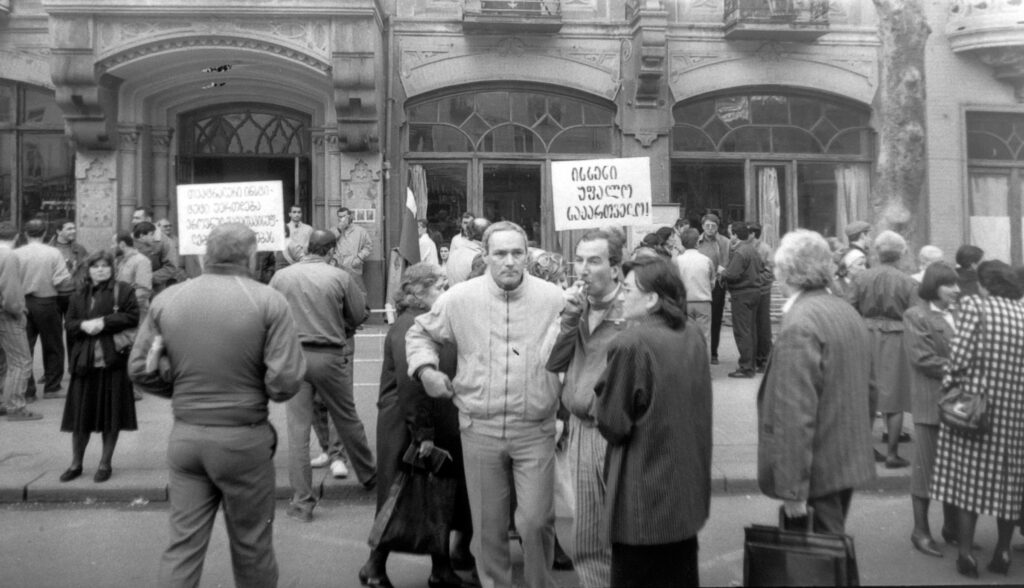
Photo: V. Gabunia / 1989
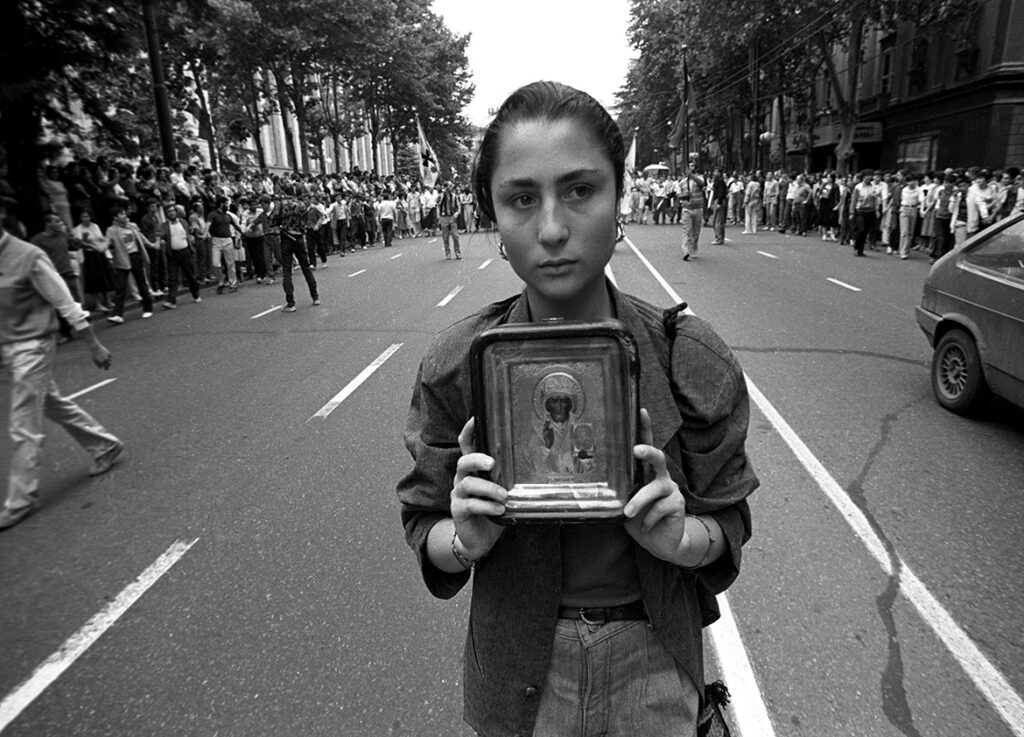
Photo: G. Tsagareli / 1989
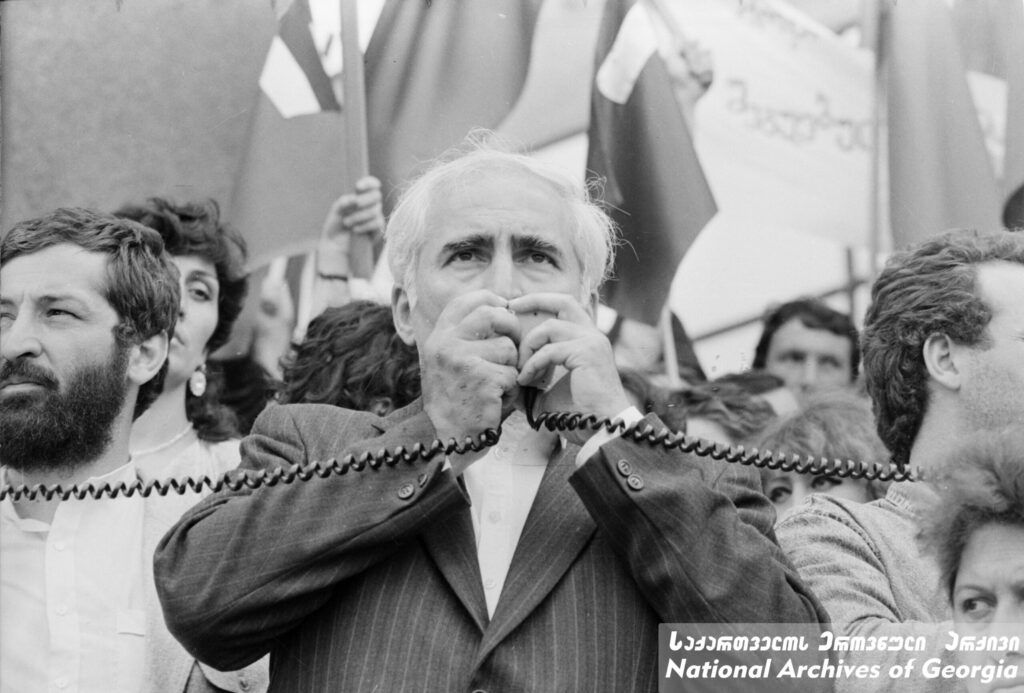
Photo: G. Kikvadze / 1989
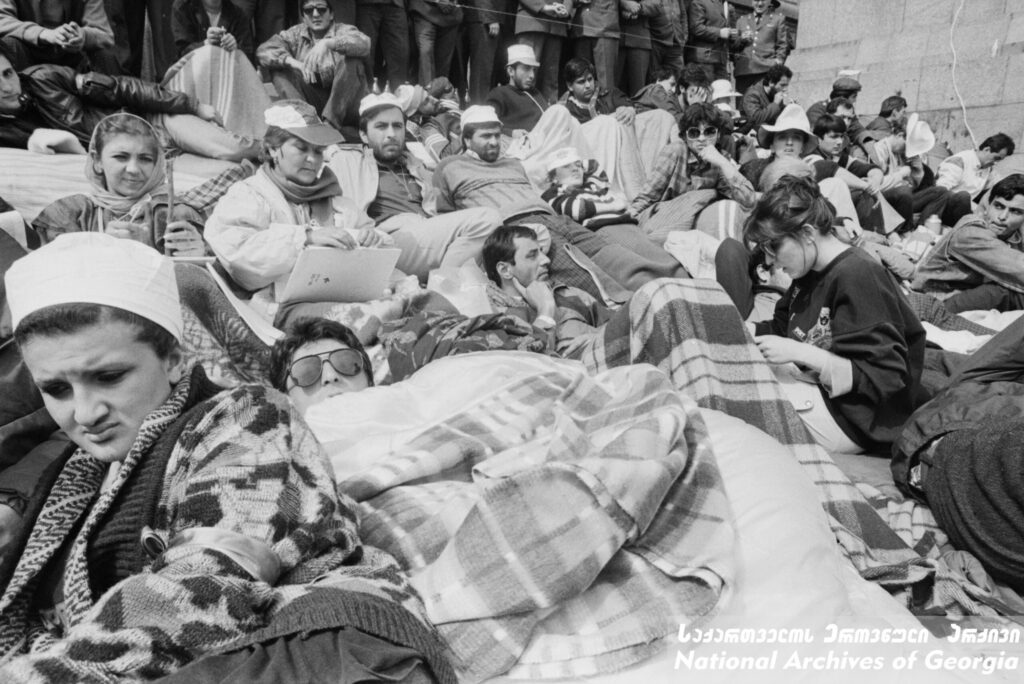
Photo: G. Kikvadze / 1989
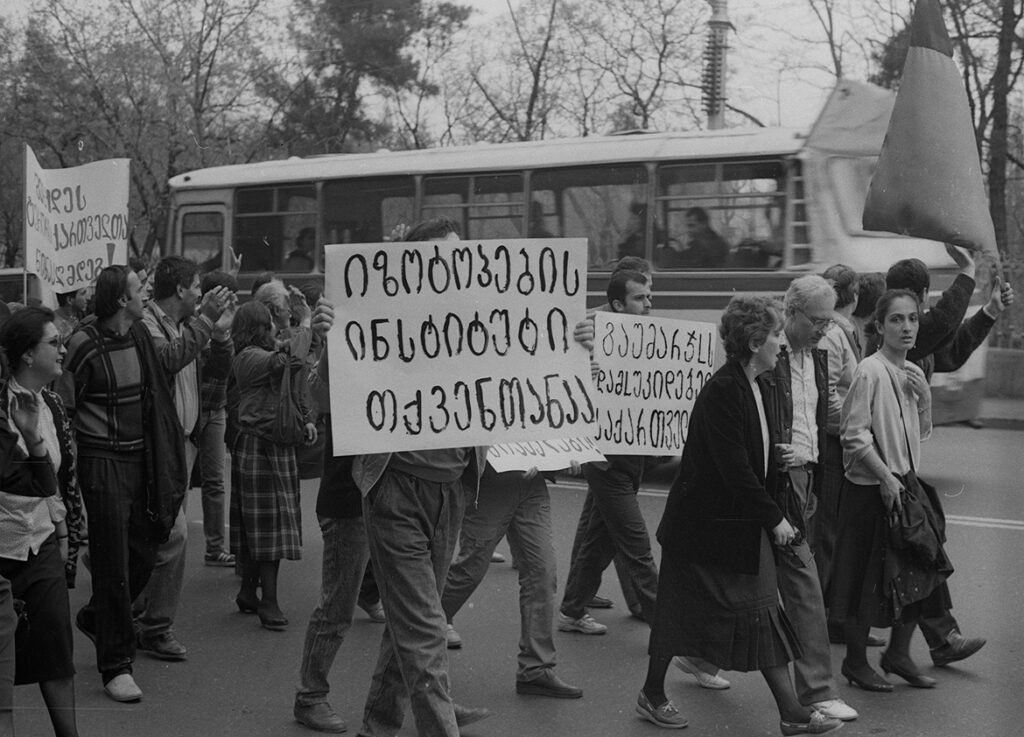
Photo: Y. Mechitov / 1989
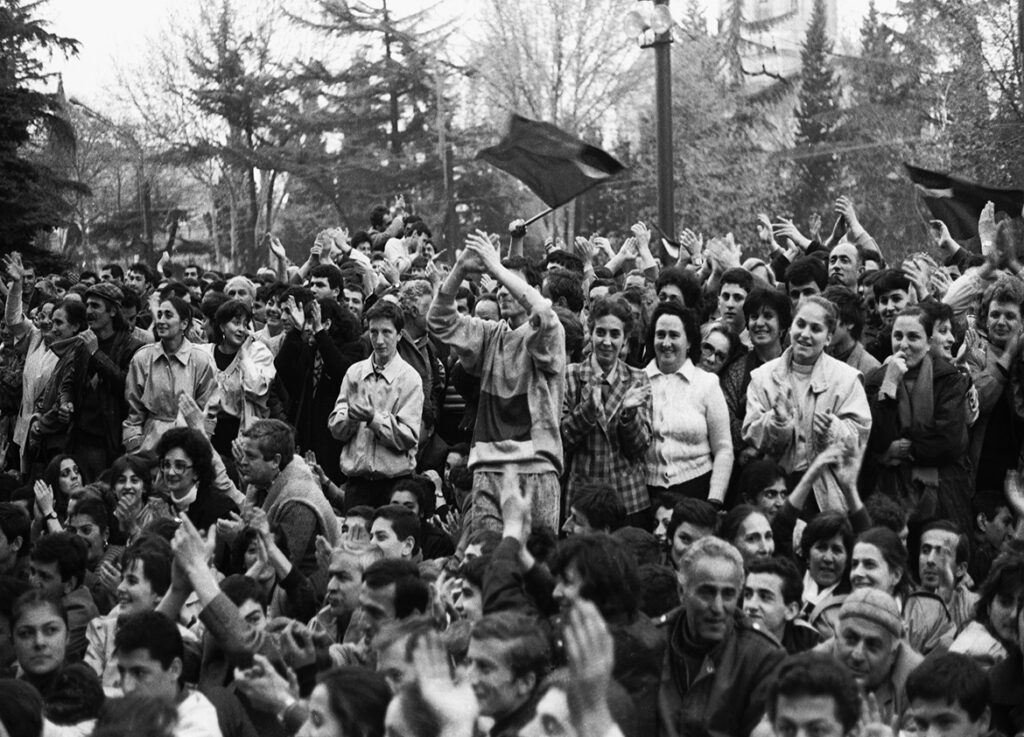
Photo: Y. Mechitov / 1989
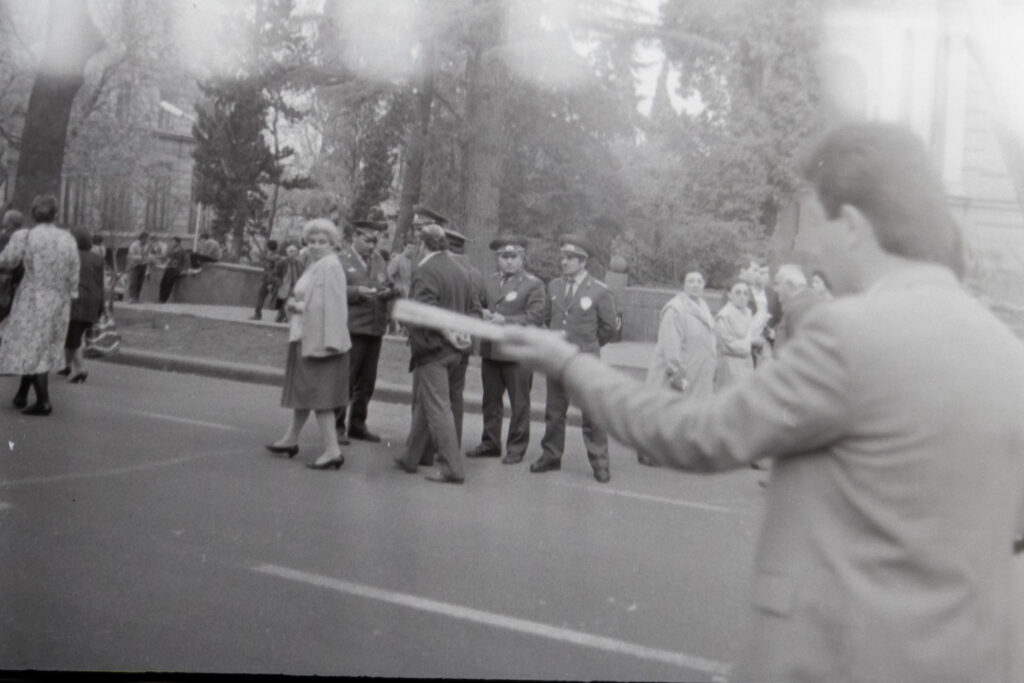
Photo: V. Gabunia / 1989
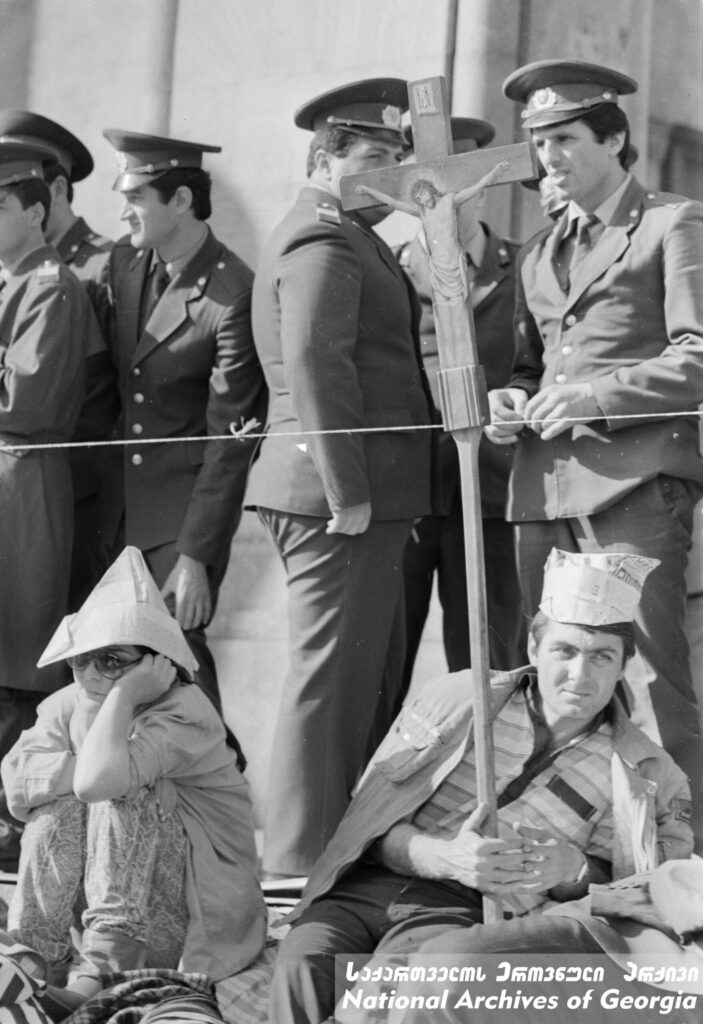
Photo: E. Rasoev / 1989
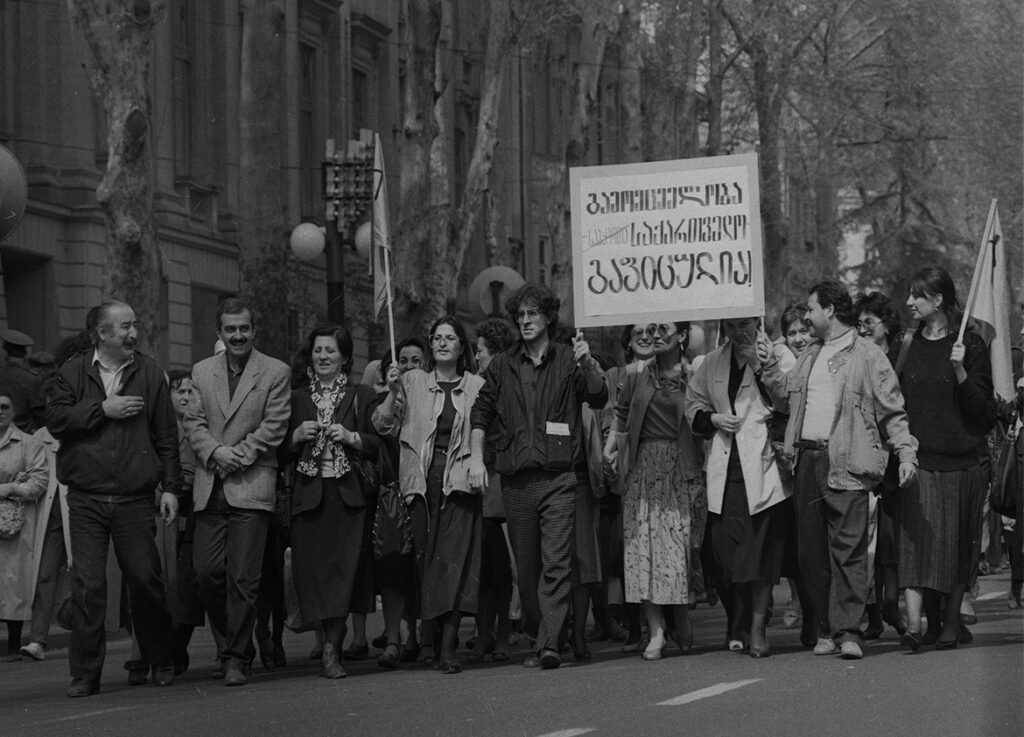
Photo: Y. Mechitov / 1989
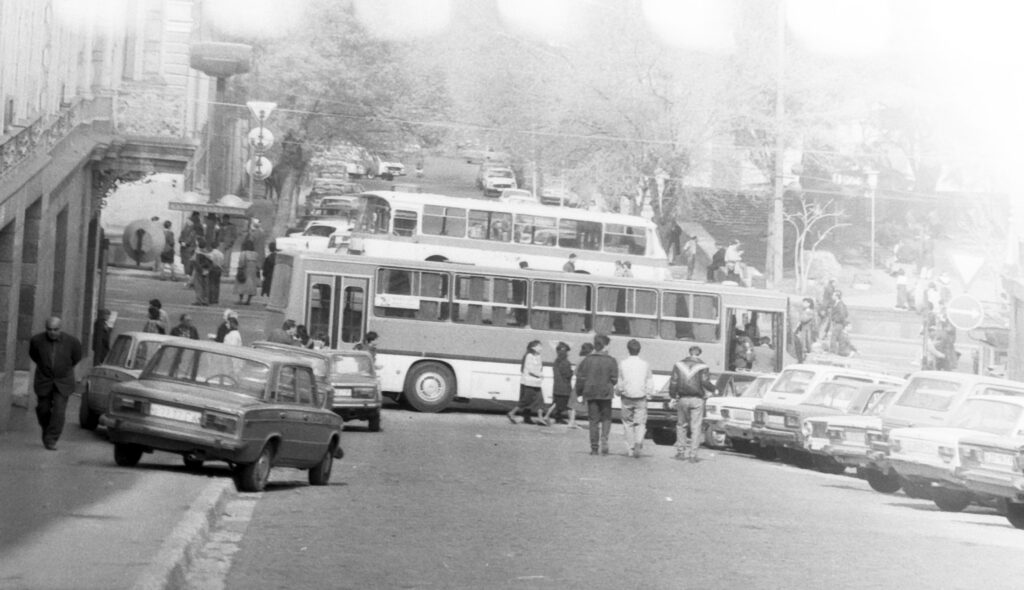
Photo: V. Gabunia / 1989
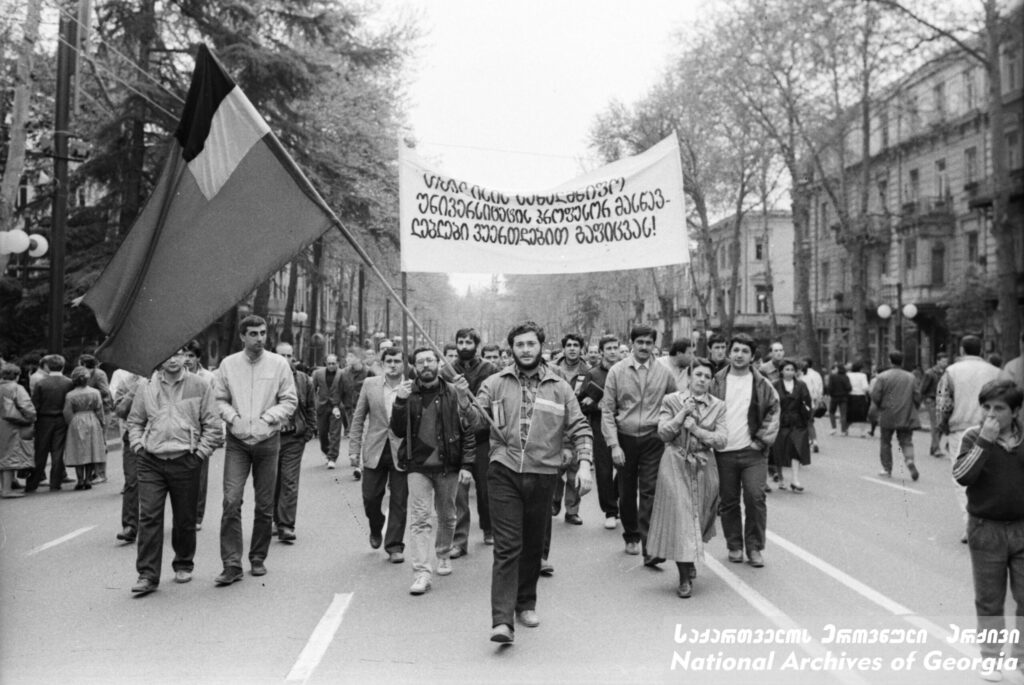
Photo: G. Kikvadze / 1989
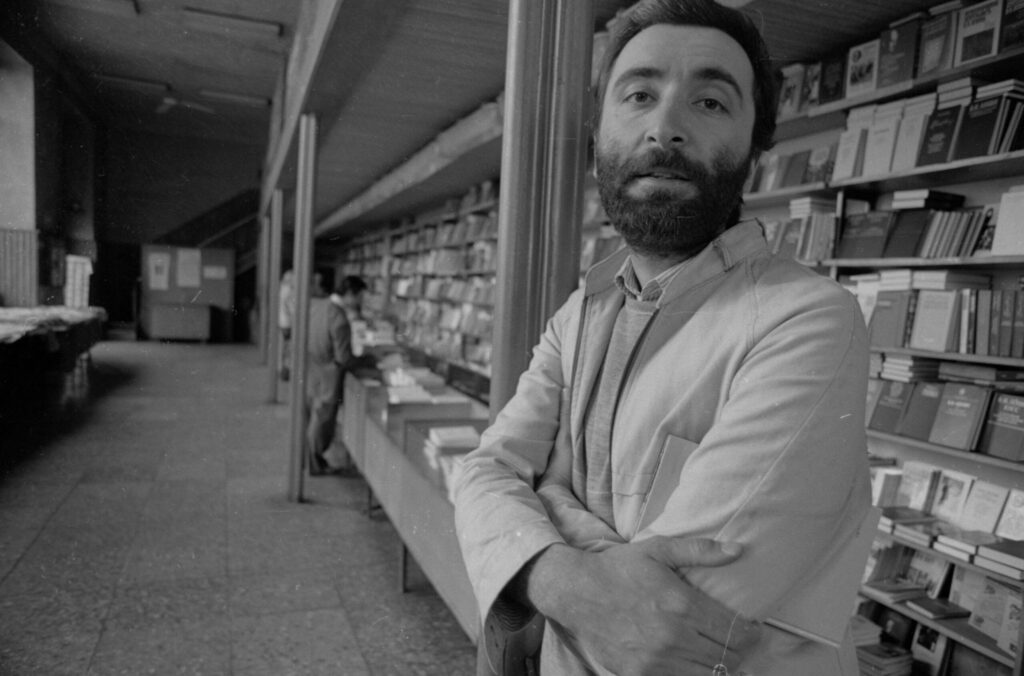
Photo: Y. Mechitov / 1989
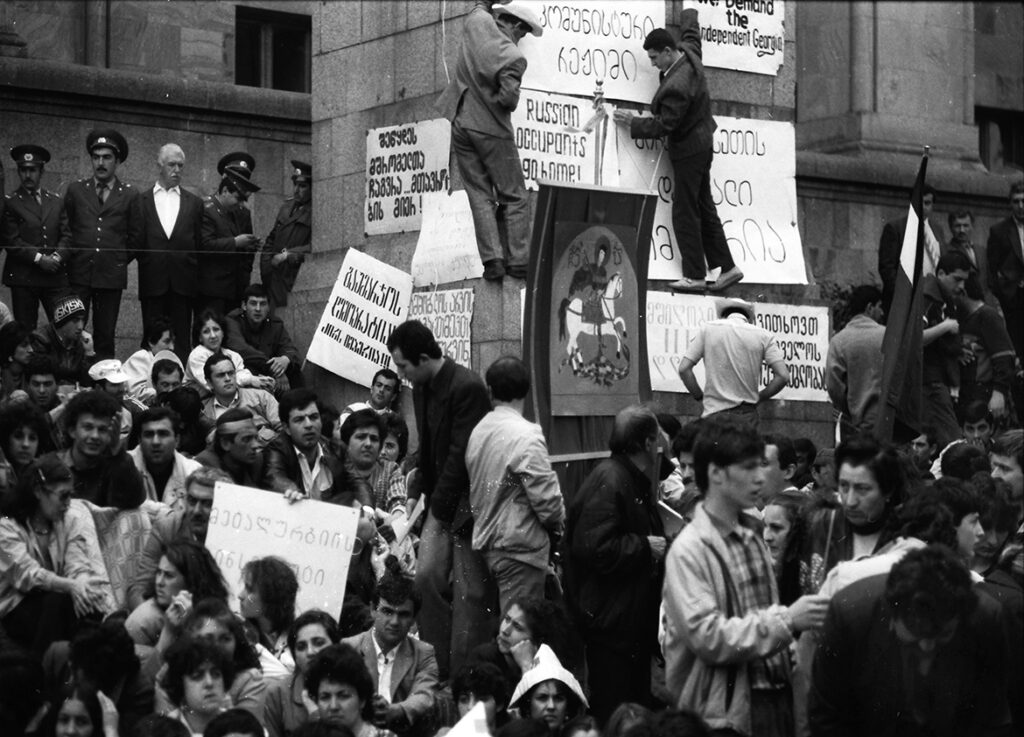
Photo: G. Tsibakhashvili / 1989
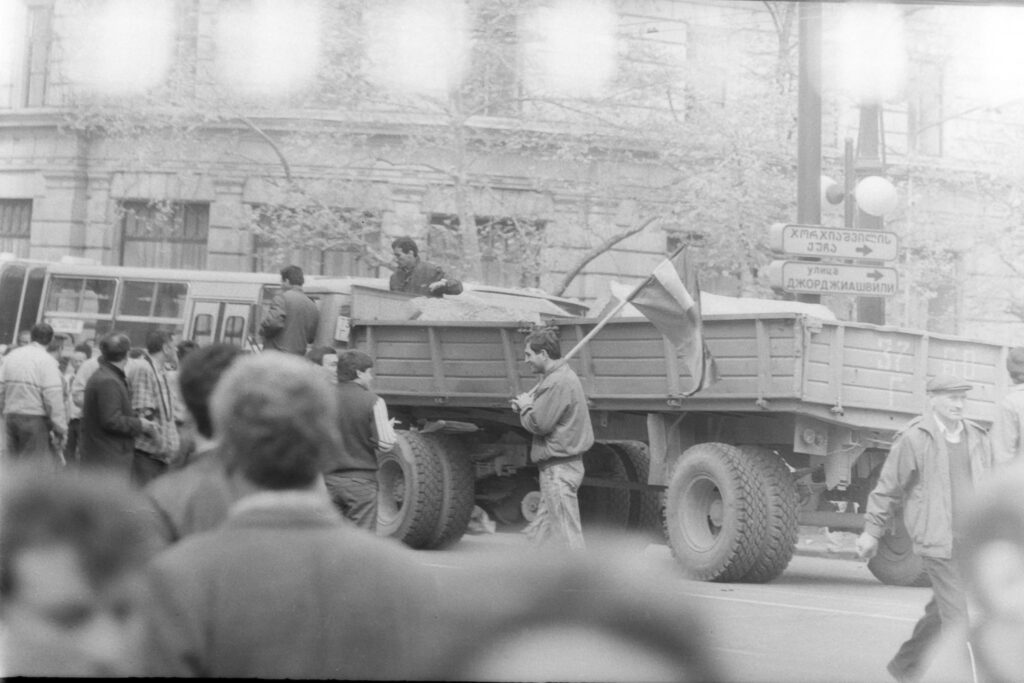
Photo: V. Gabunia / 1989
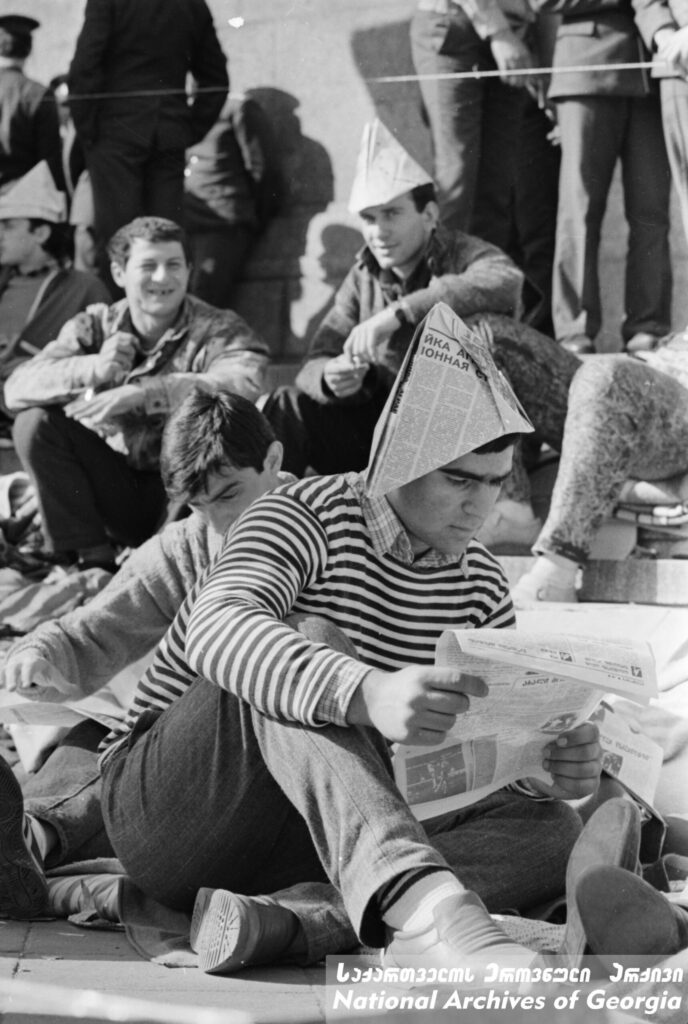
Photo: E. Rasoev / 1989
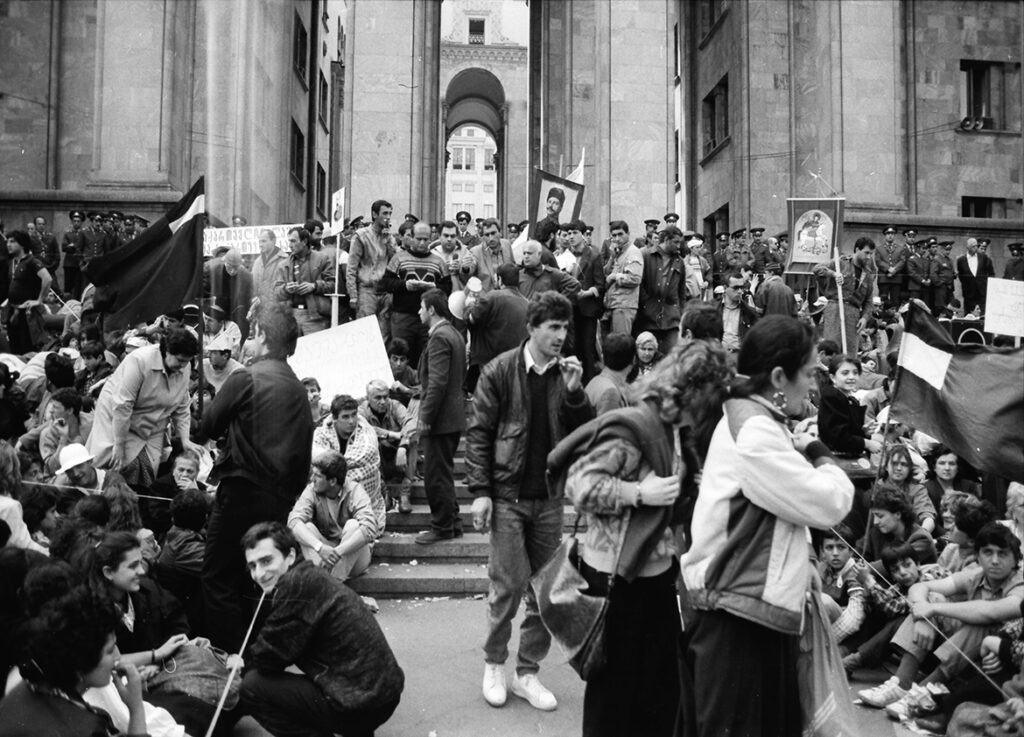
Photo: G. Tsibakhashvili / 1989
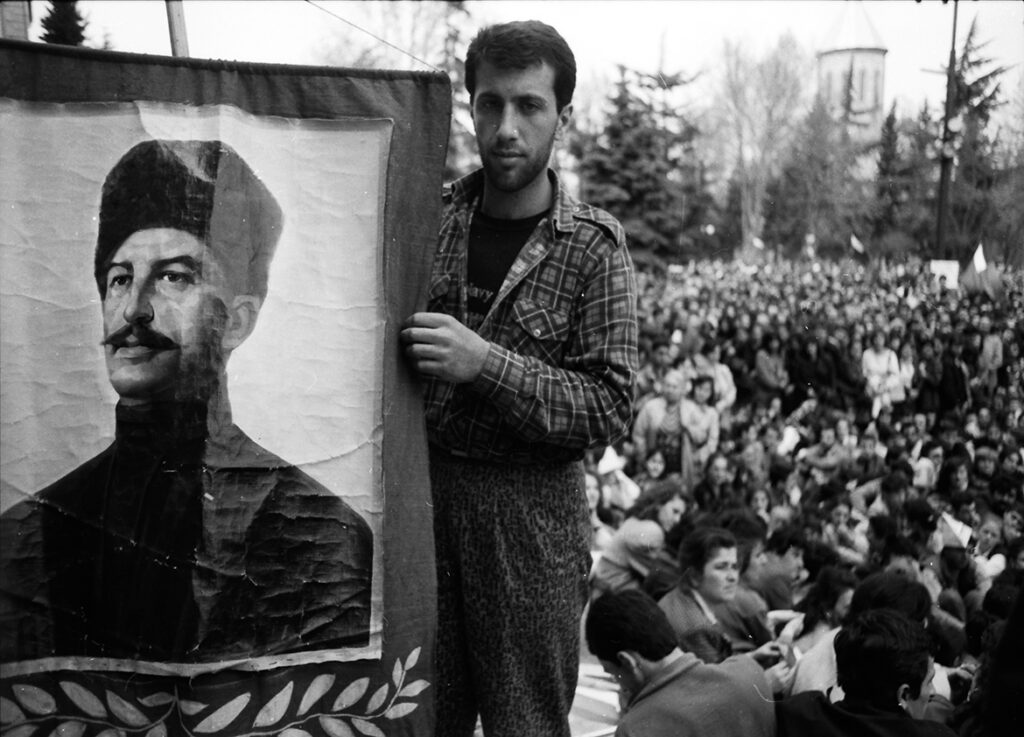
Photo: G. Tsibakhashvili / 1989
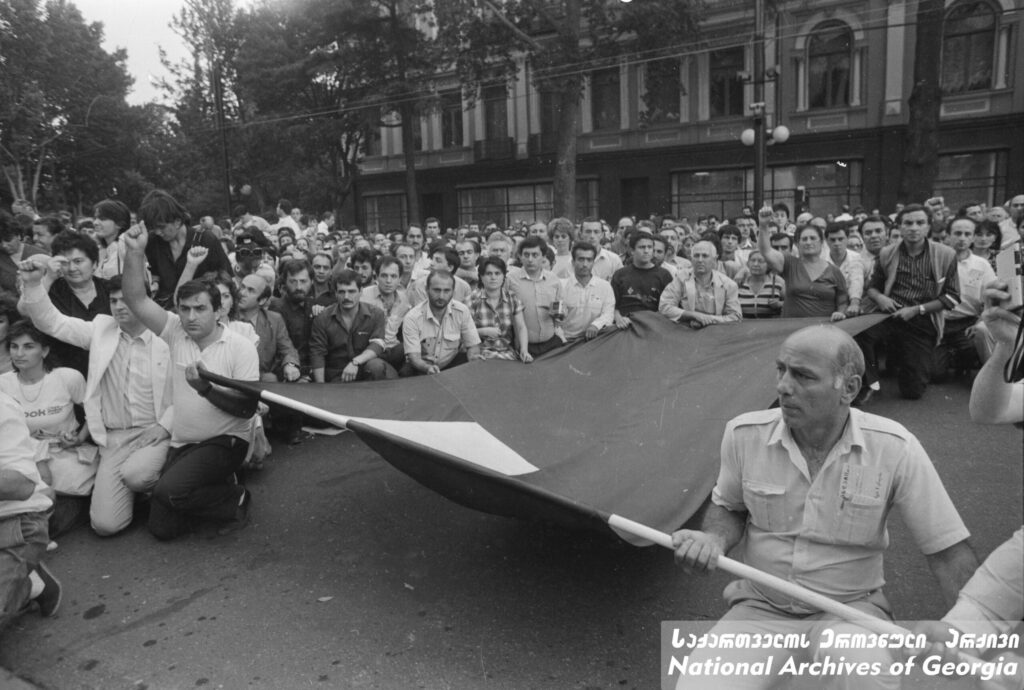
Photo: G. Kikvadze / 1989
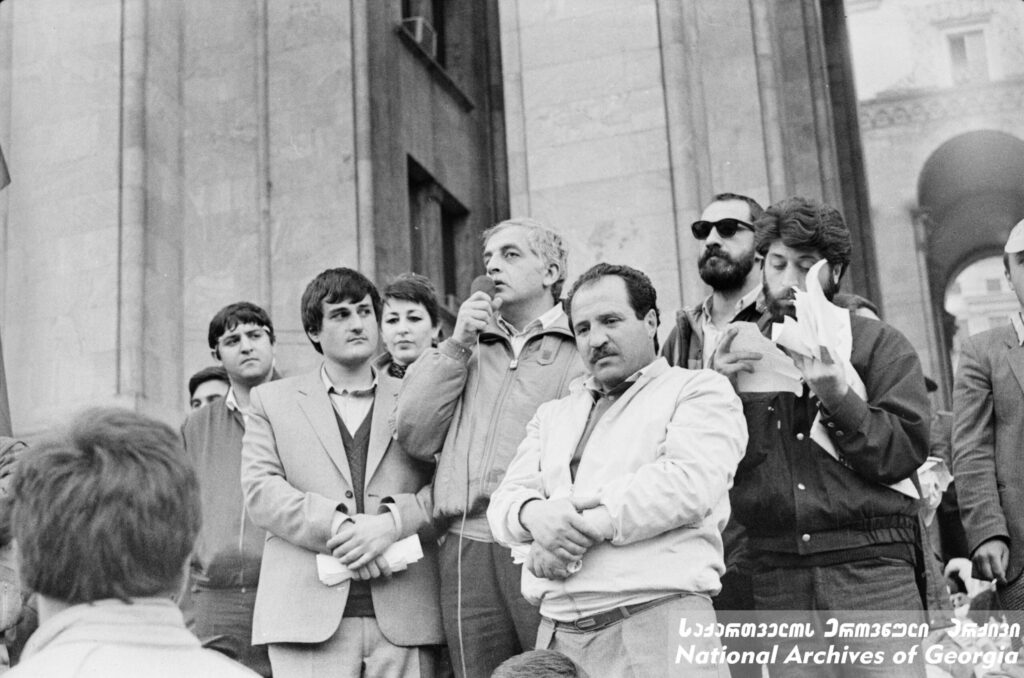
Photo: M. Utiashvili / 1989
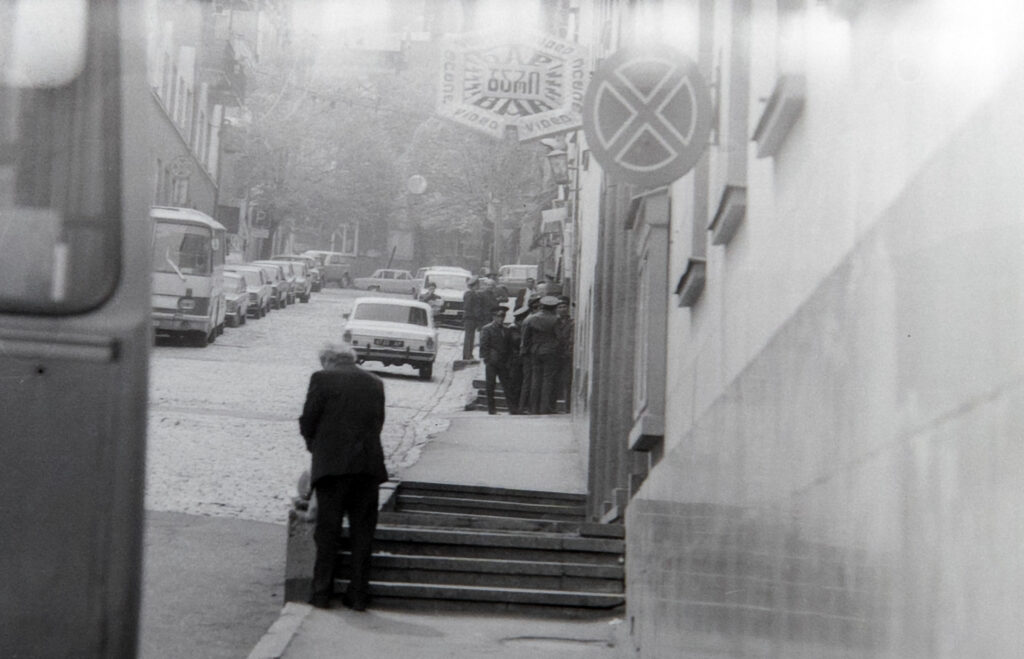
Photo: V. Gabunia / 1989
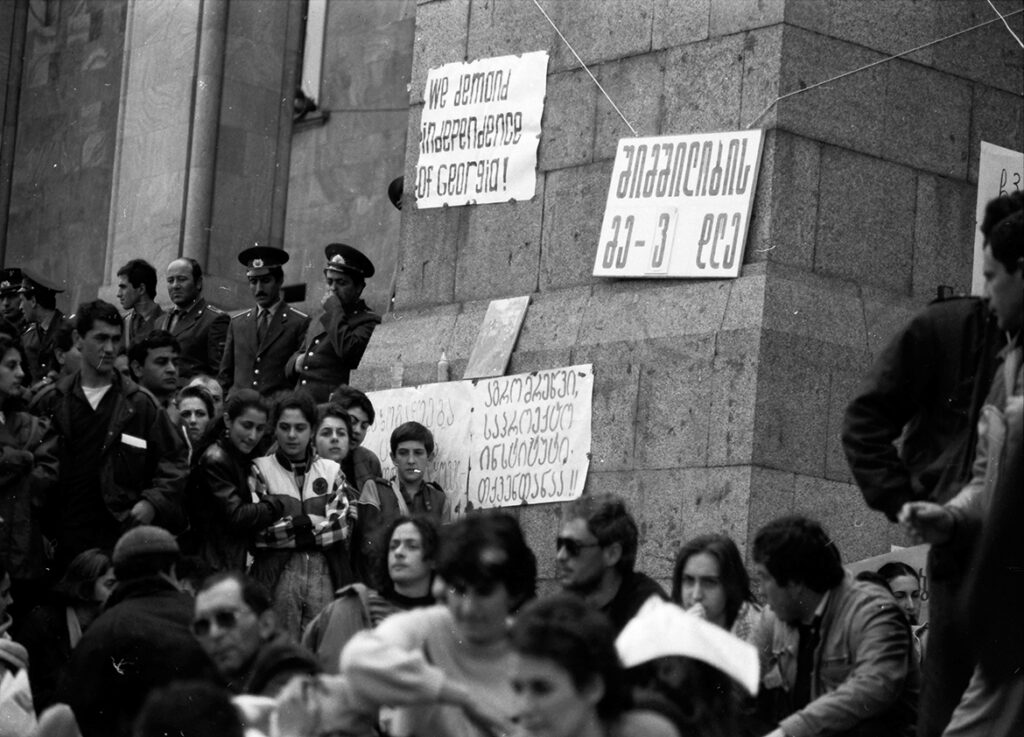
Photo: G. Tsibakhashvili / 1989
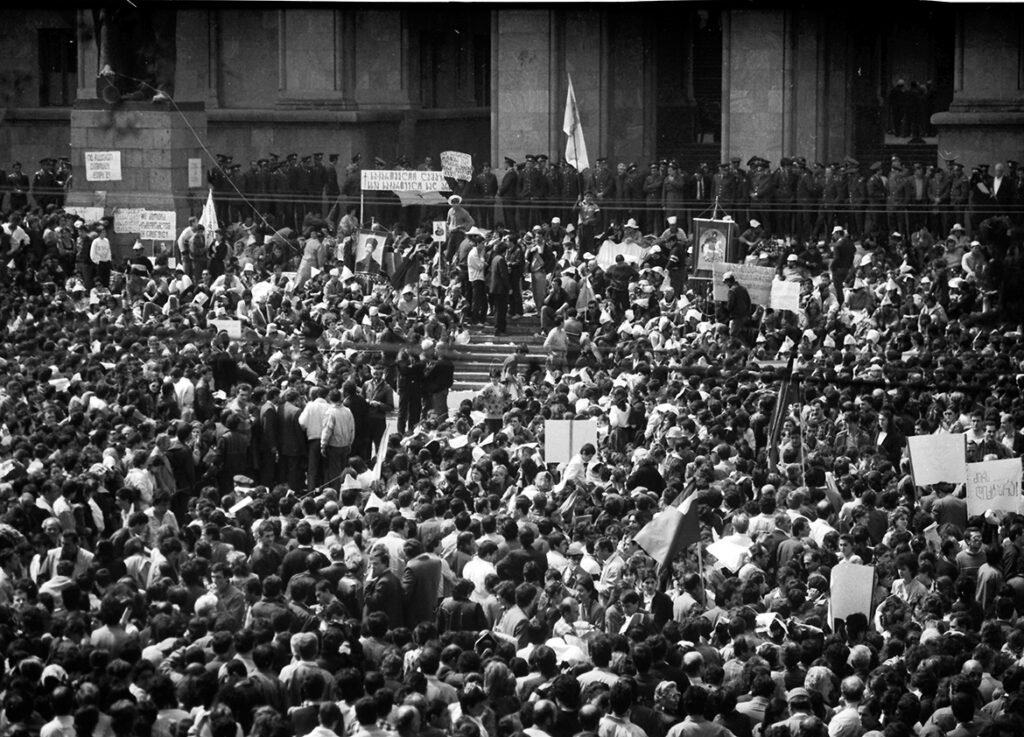
Photo: G. Tsibakhashvili / 1989
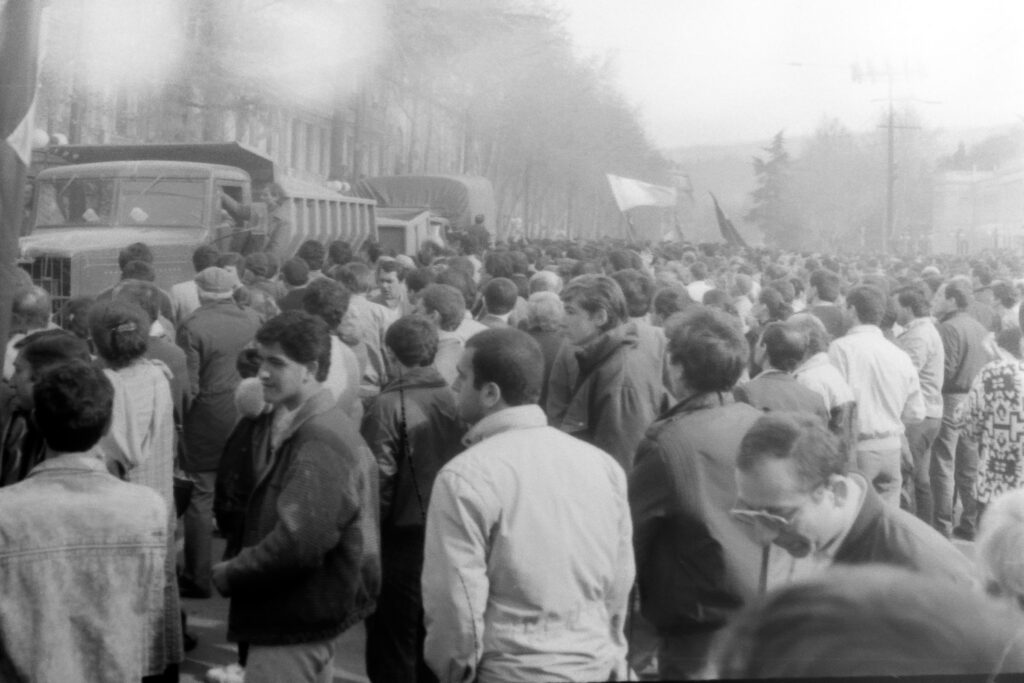
Photo: V. Gabunia / 1989
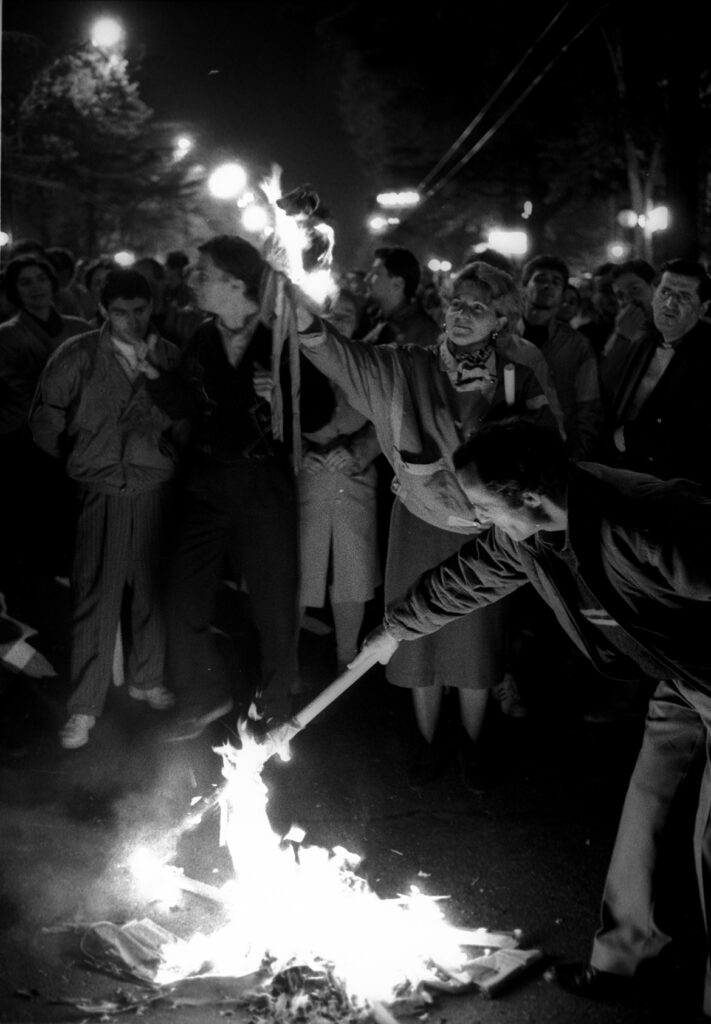
Photo: G. Tsagareli / 1989
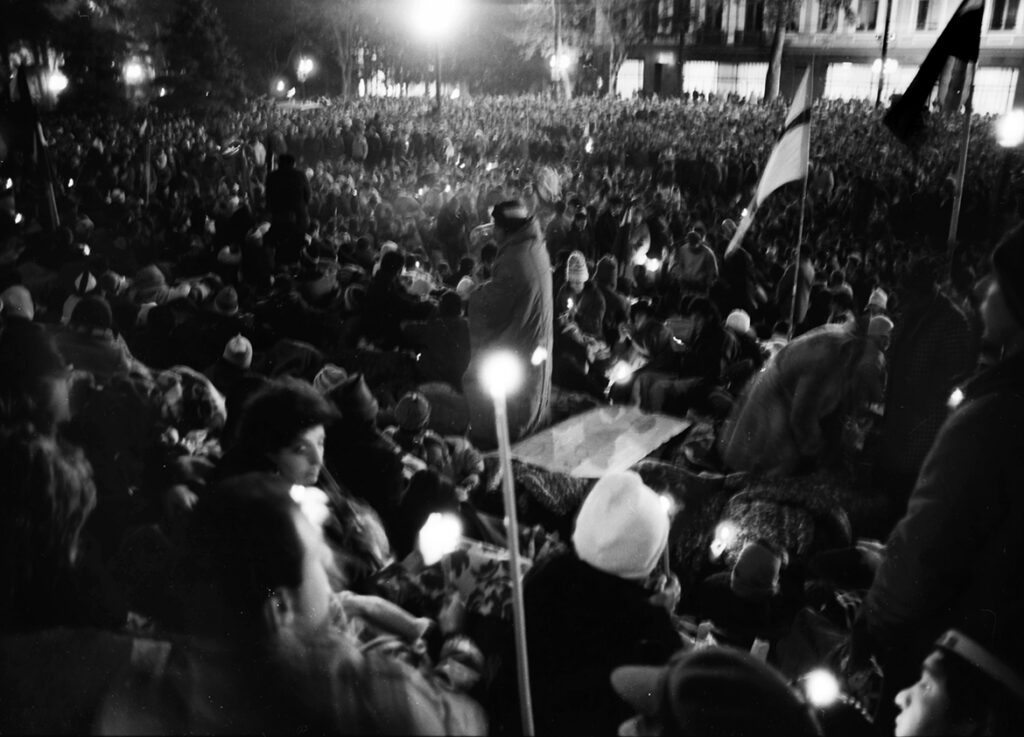
Photo: G. Tsibakhashvili / 1989
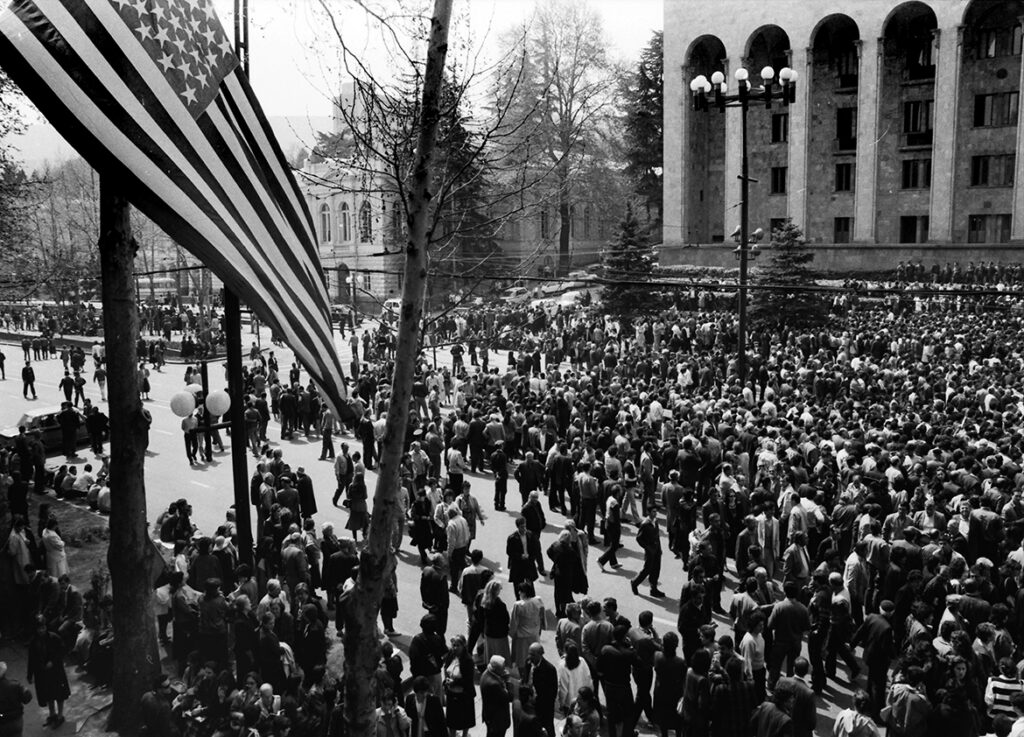
Photo: G. Tsibakhashvili / 1989
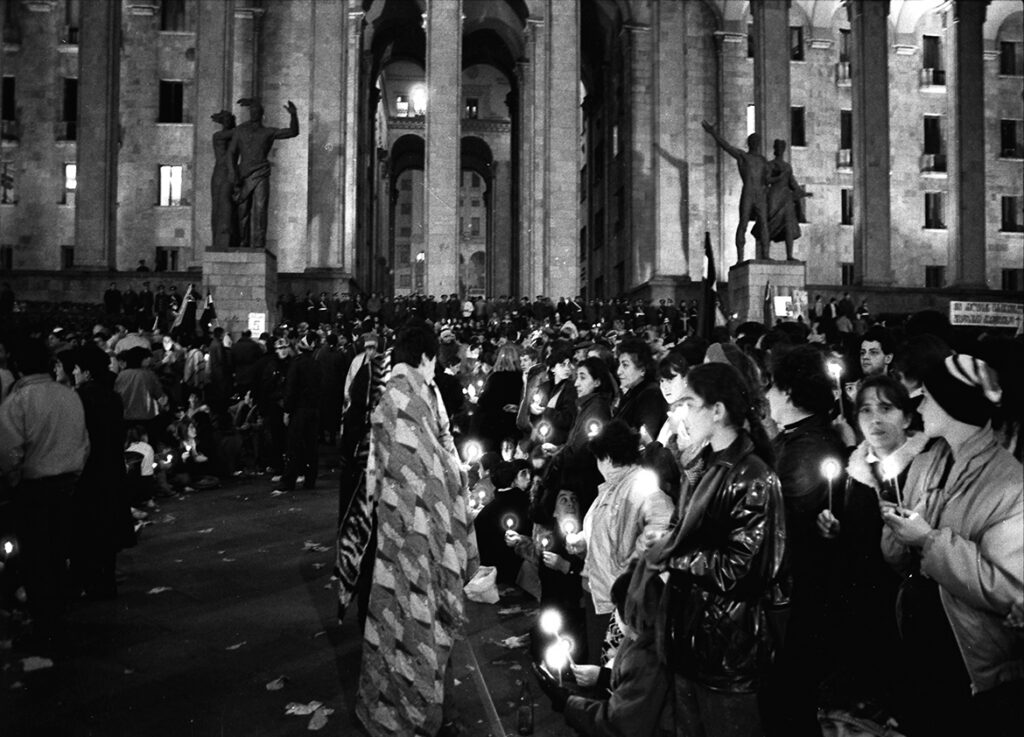
Photo: G. Tsibakhashvili / 1989
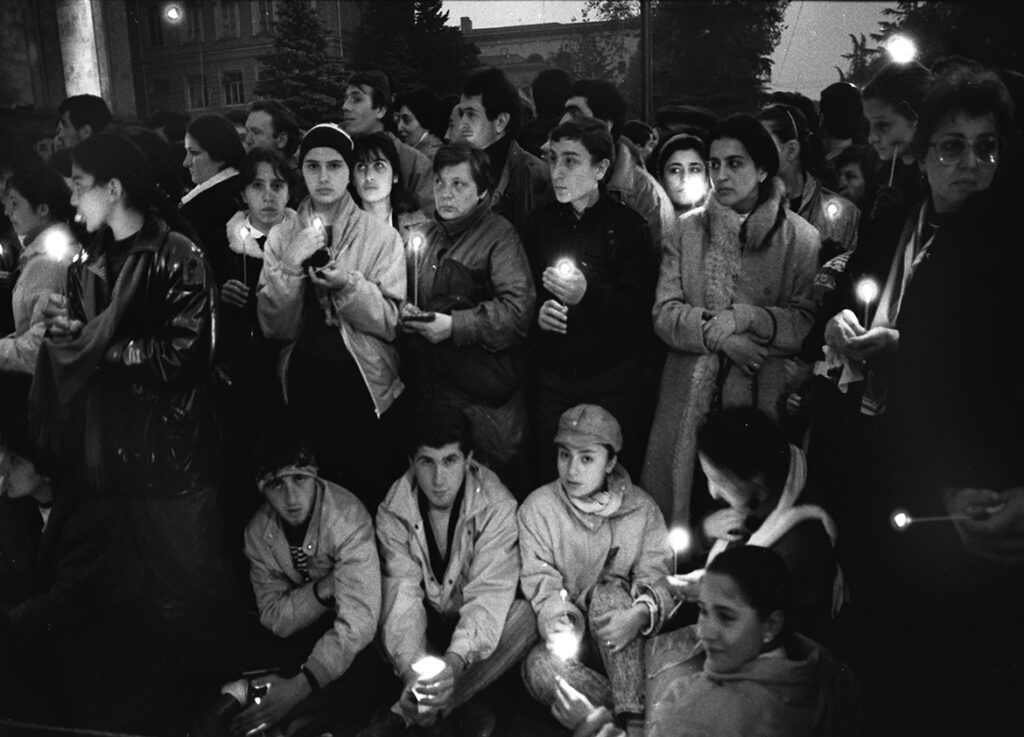
G. Tsibakhashvili / 1989
TELEGRAM FROM FIRST SECRETARY OF THE GEORGIAN COMMUNIST PARTY, DZHUMBER PATIASHVILI TO THE CENTRAL COMMITTEE OF THE COMMUNIST PARTY OF THE SOVIET UNION
Incoming enciphered message No. 217/sh
From Tbilisi
Received 7 April 1989
8:40 p.m.
source: Wilson Center
Extremist elements are whipping up nationalist sentiments; calling for strikes and disobedience to authority, are organizing disturbances, and are discrediting Party and government [sovetskiye] bodies. Emergency measures need to be taken in the existing situation.
We consider it necessary:
1: To immediately bring to criminal and administrative responsibility the extremists who are expressing anti-Soviet, anti-socialist, and anti-Party slogans and appeals (there are legal justifications for this).
2: Introduce a special situation (curfew) in Tbilisi with the involvement of additional forces of the MVD [Ministry of Internal Affairs] and the ZAKVO [ZakVO, Transcaucasian Military District].
3: To carry out a number of political, organizational, and administrative measures to stabilize the situation, using Party, government, and administrative activists [aktiv].
4: Not to permit publications which aggravate the situation access to national and Republic mass media.
We request your consent for points 1, 2, and 4.
Secretary of the CC of the Georgian CP
D. Patiashvili
Photo: G. Tsibakhashvili / 1988
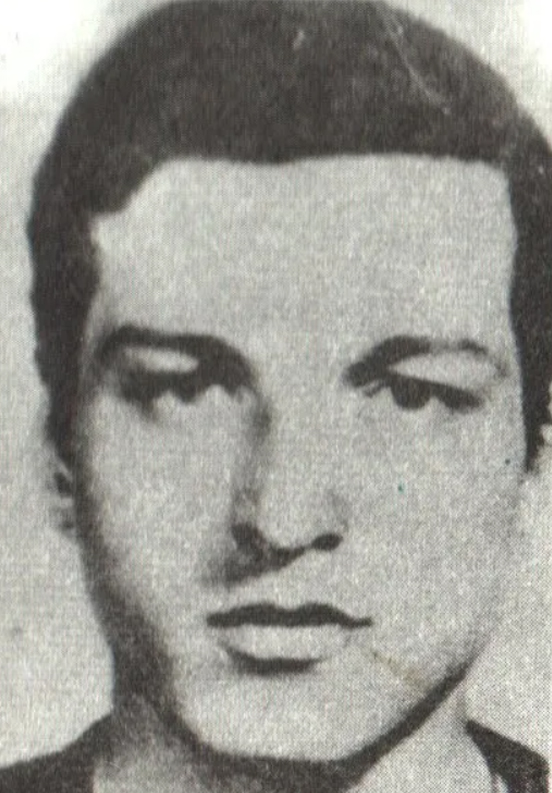
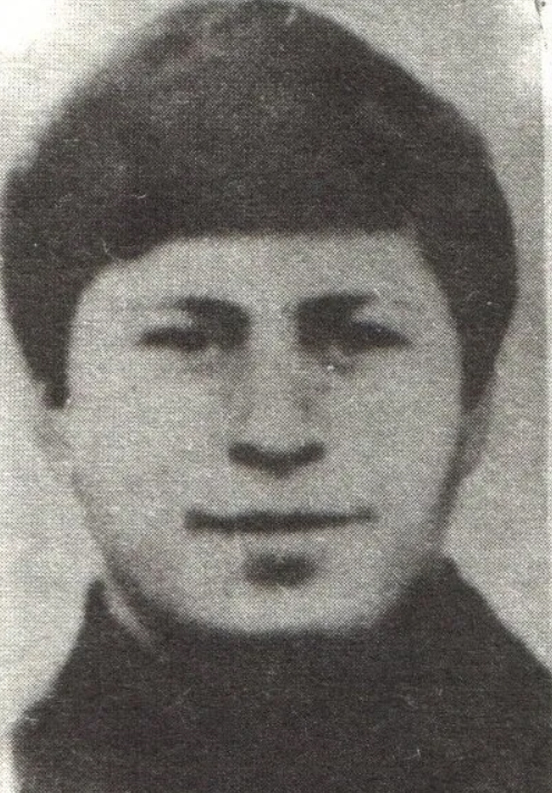
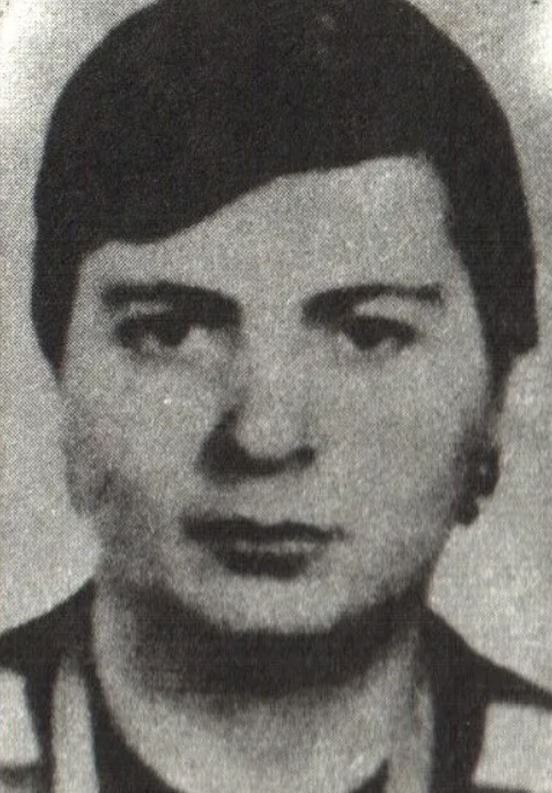
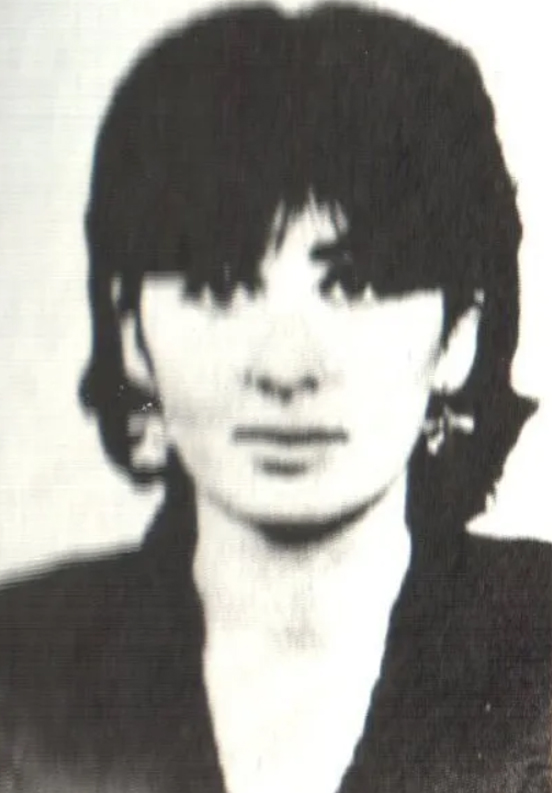
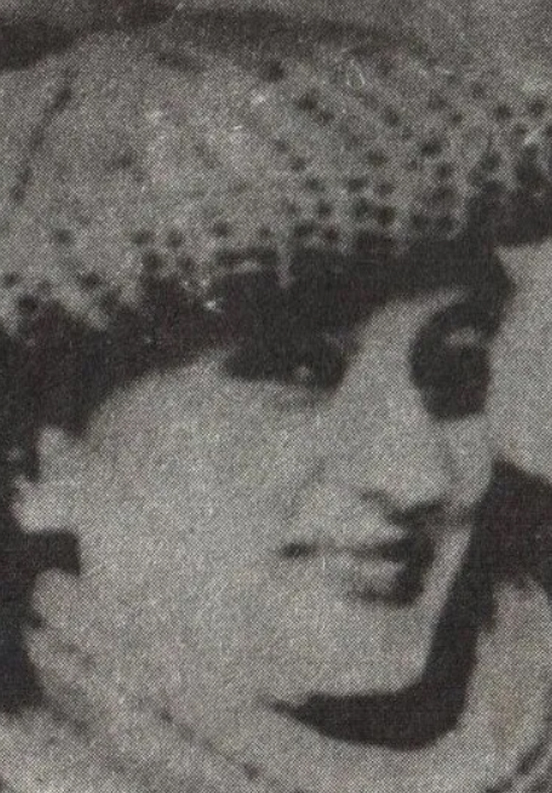
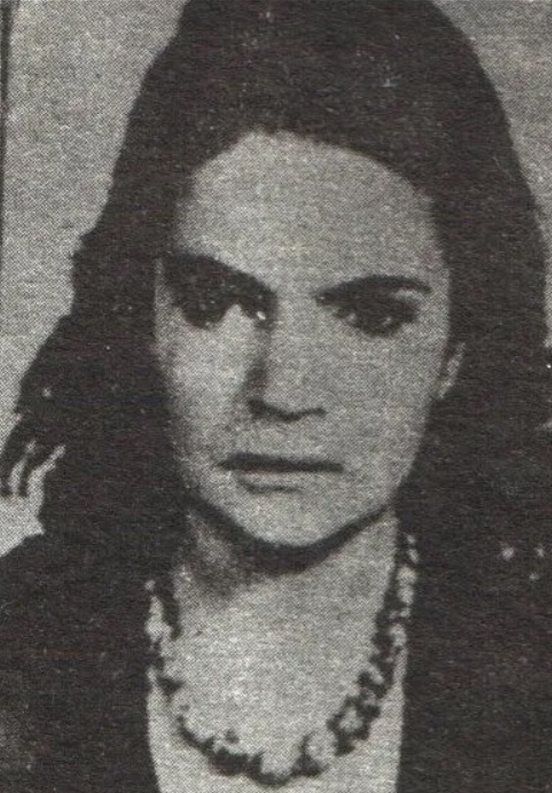
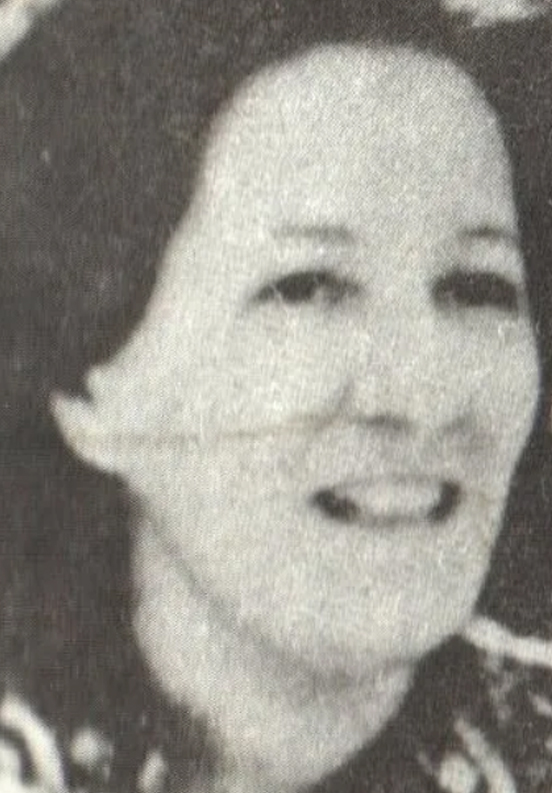
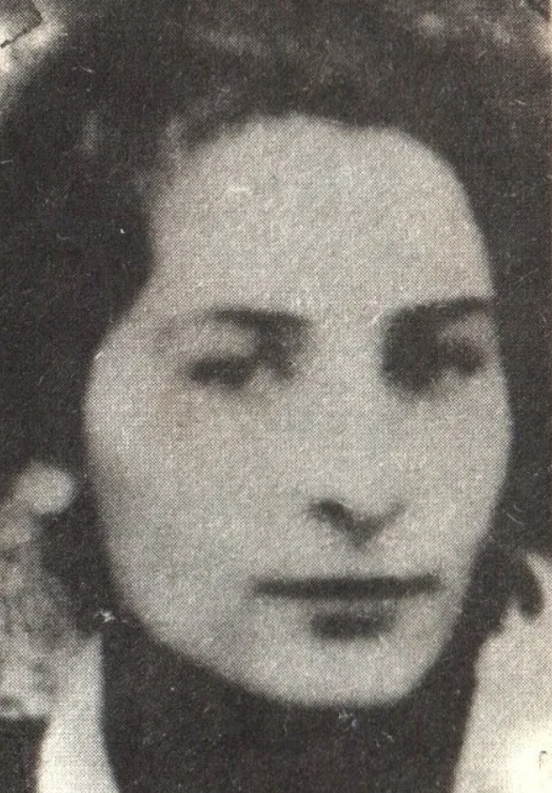
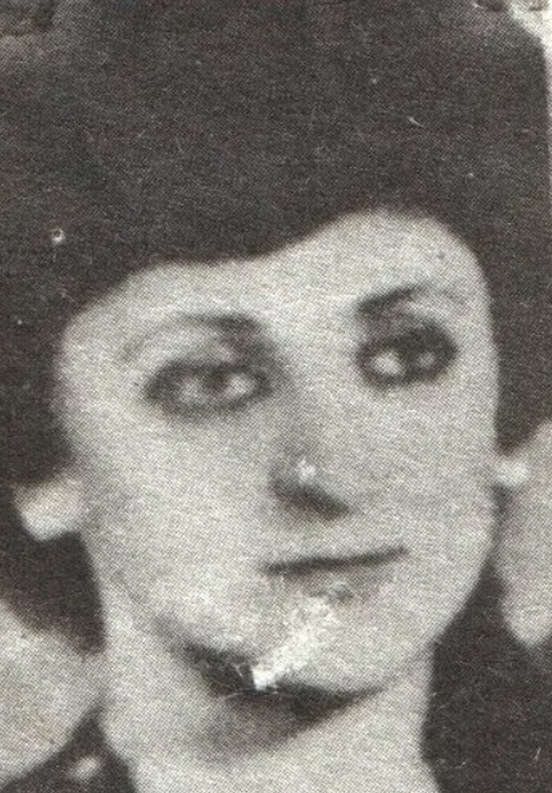
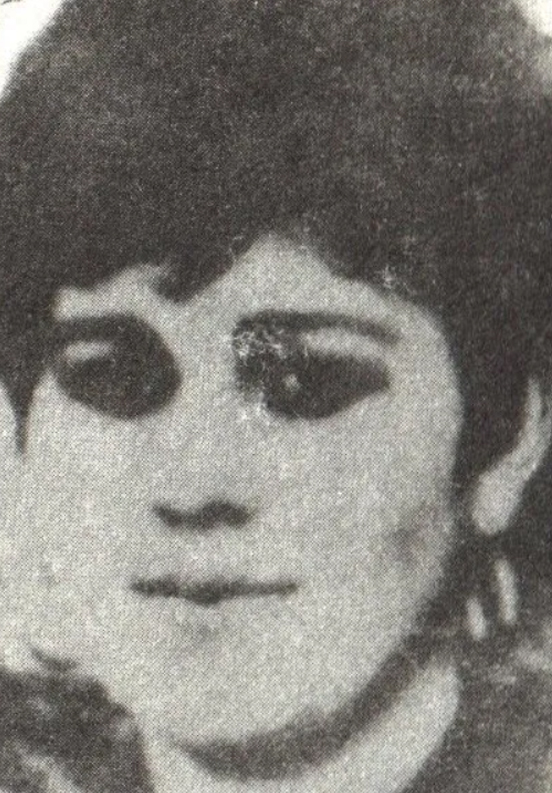
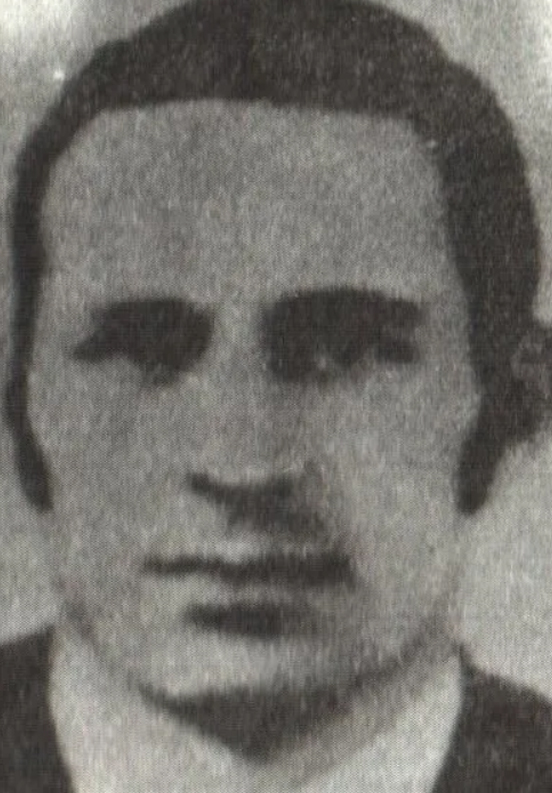
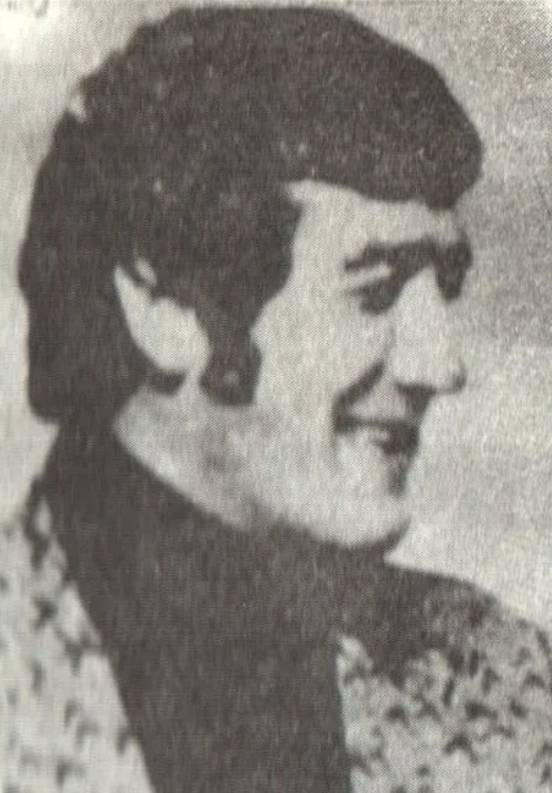
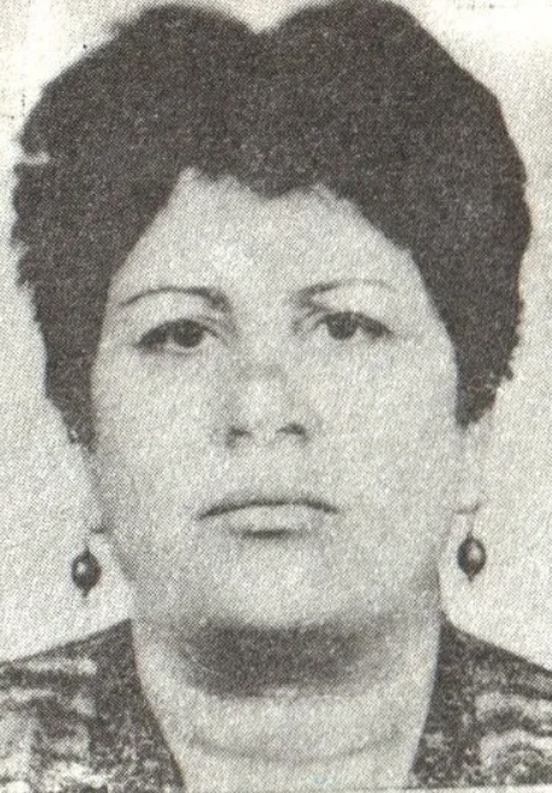
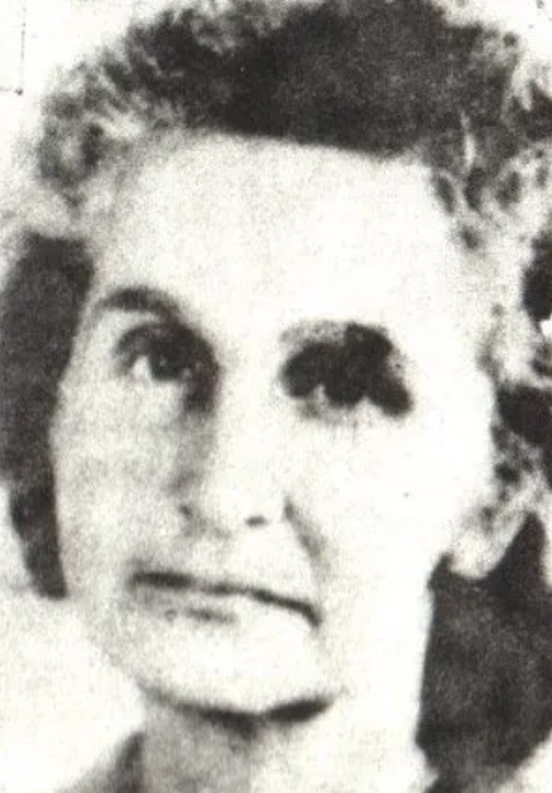
/ Soldiers
/ Tanks
/ Destruction
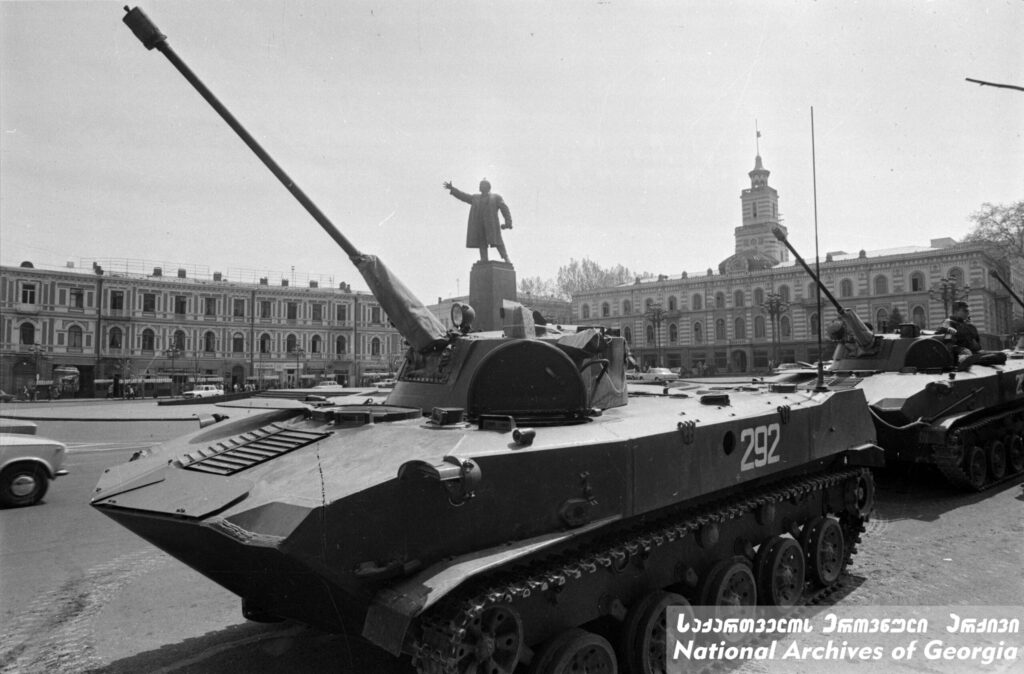
Photo: G. Kikvadze / 1989
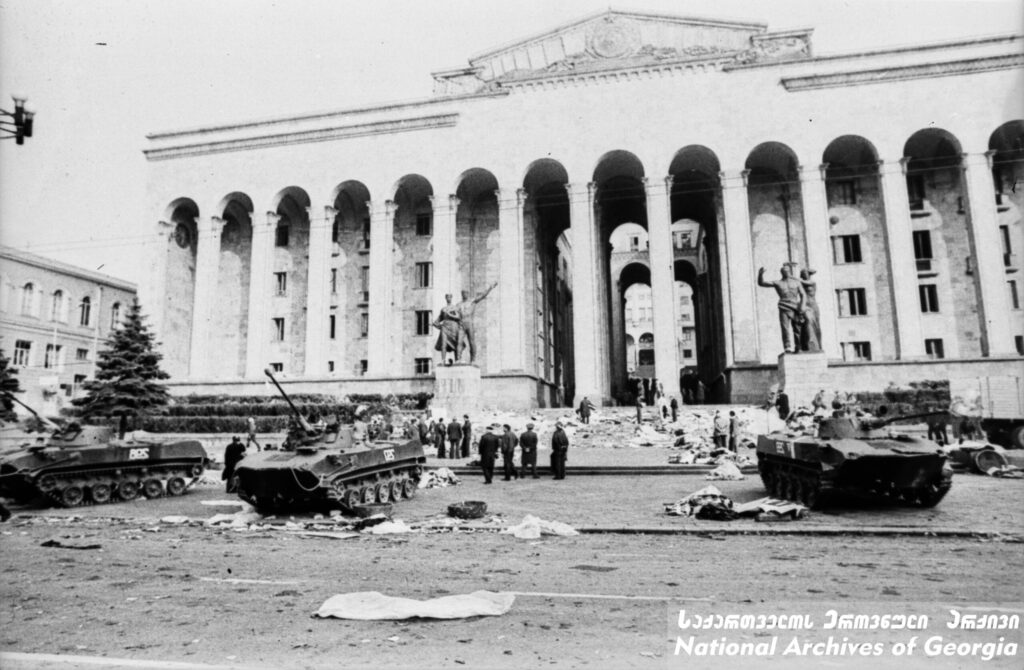
Photo: G. Kikvadze / 1989
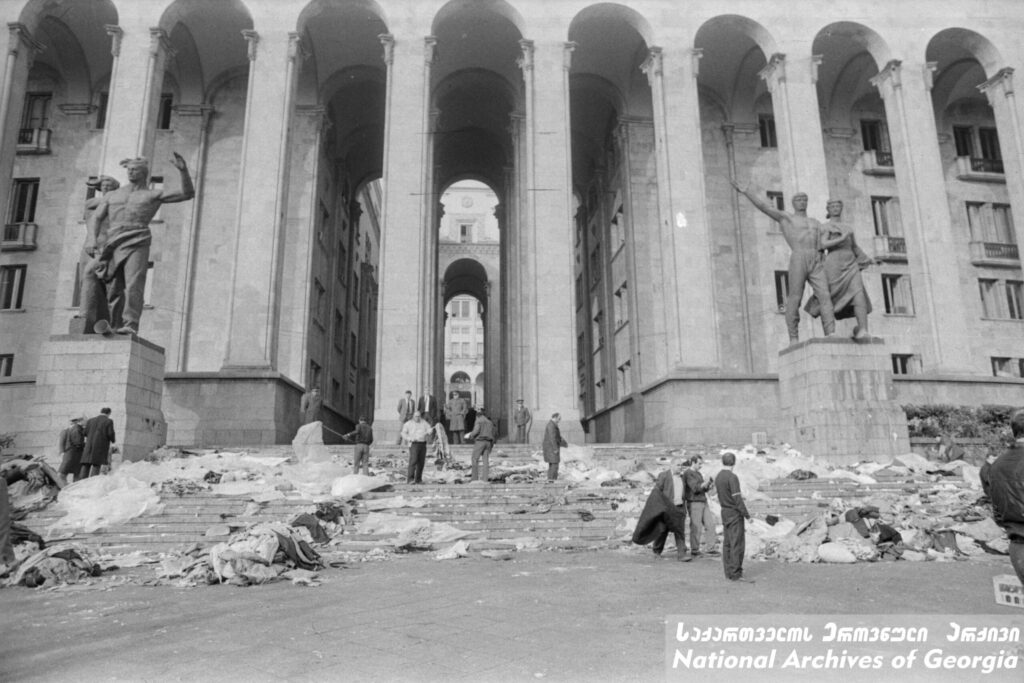
Photo: G. Kikvadze / 1989
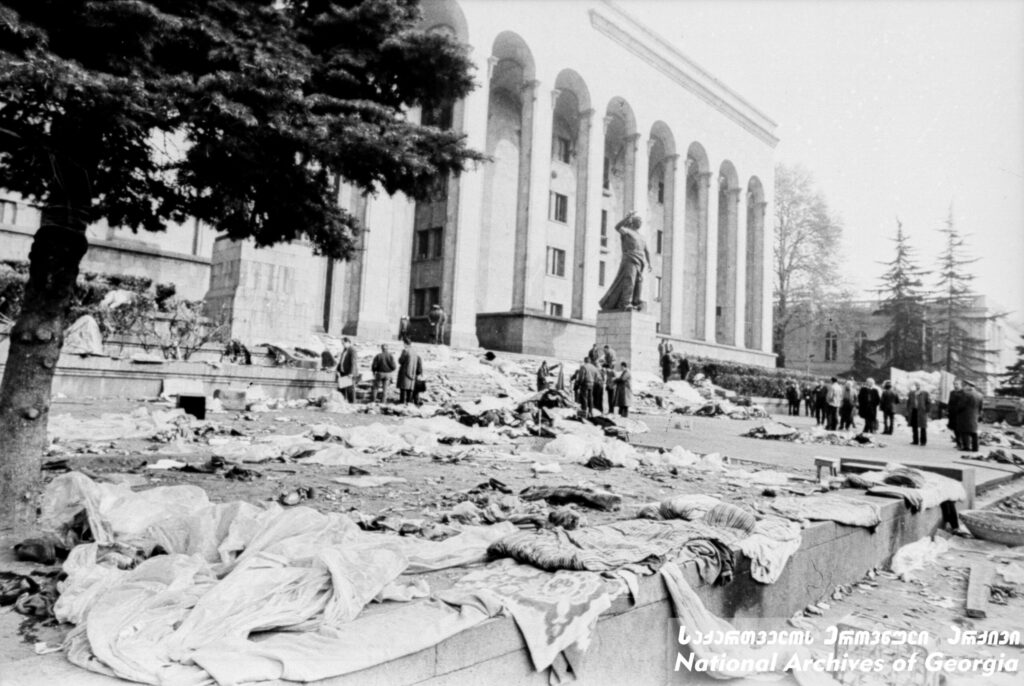
Photo: G. Kikvadze / 1989
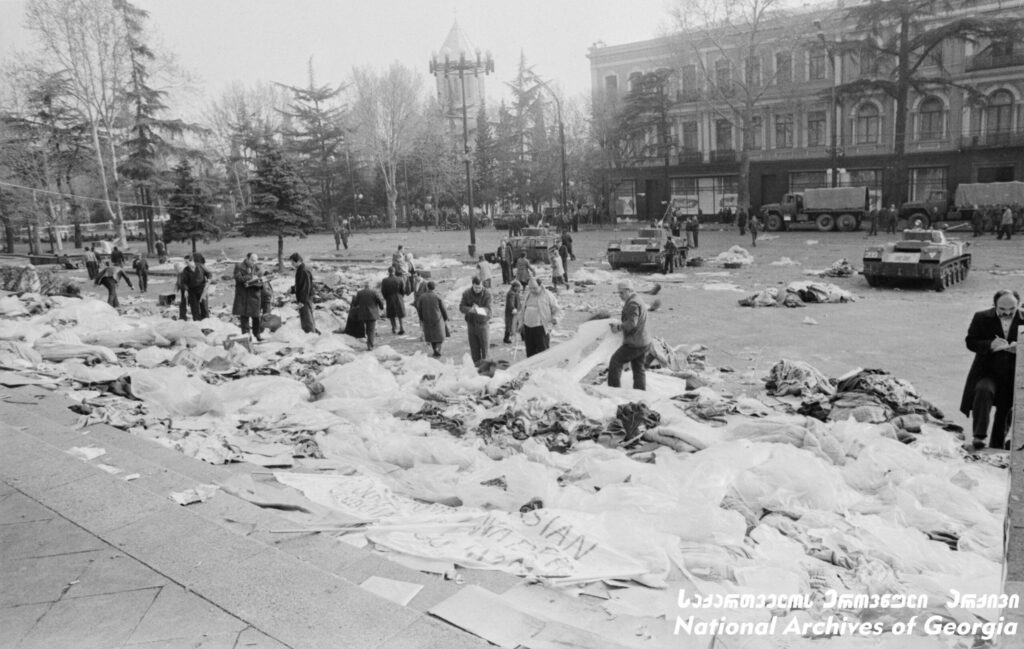
Photo: G. Kikvadze / 1989
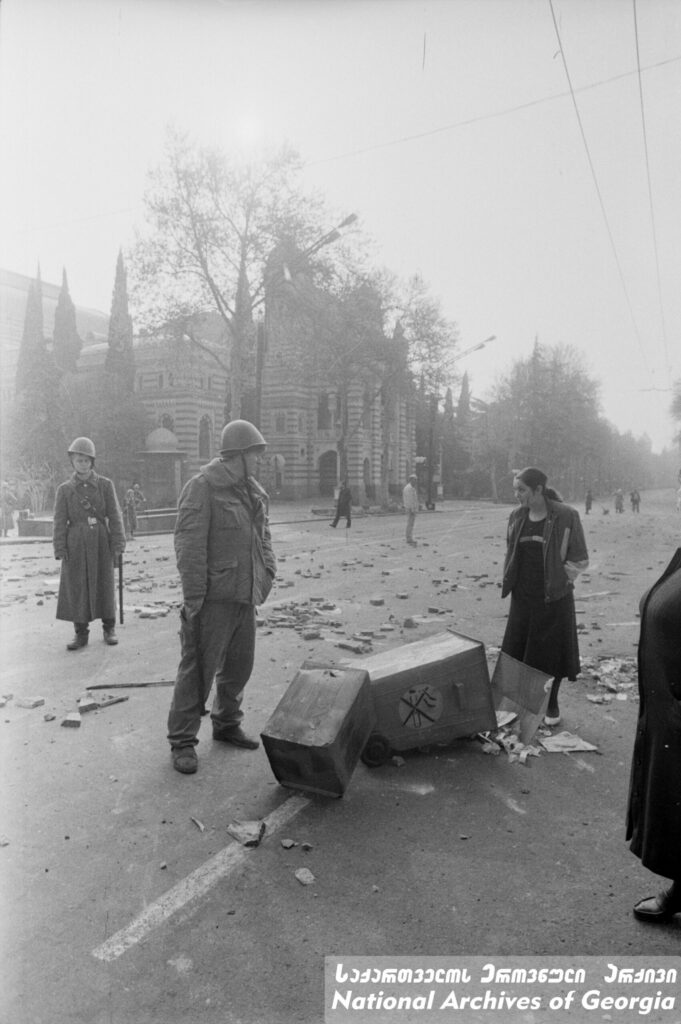
Photo: G. Kikvadze / 1989
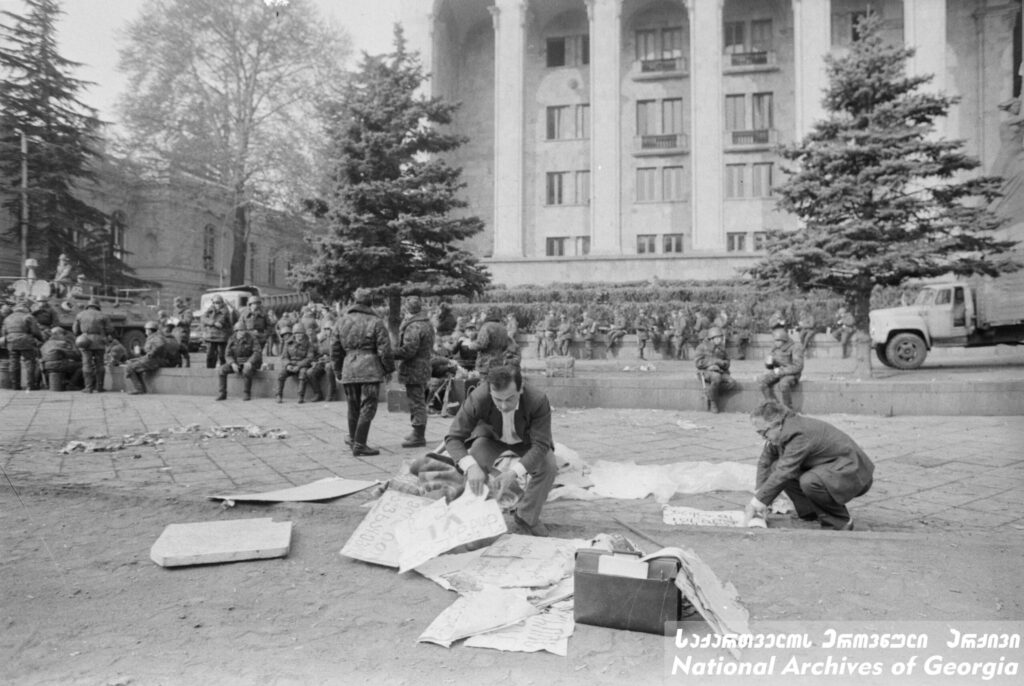
Photo: G. Kikvadze / 1989
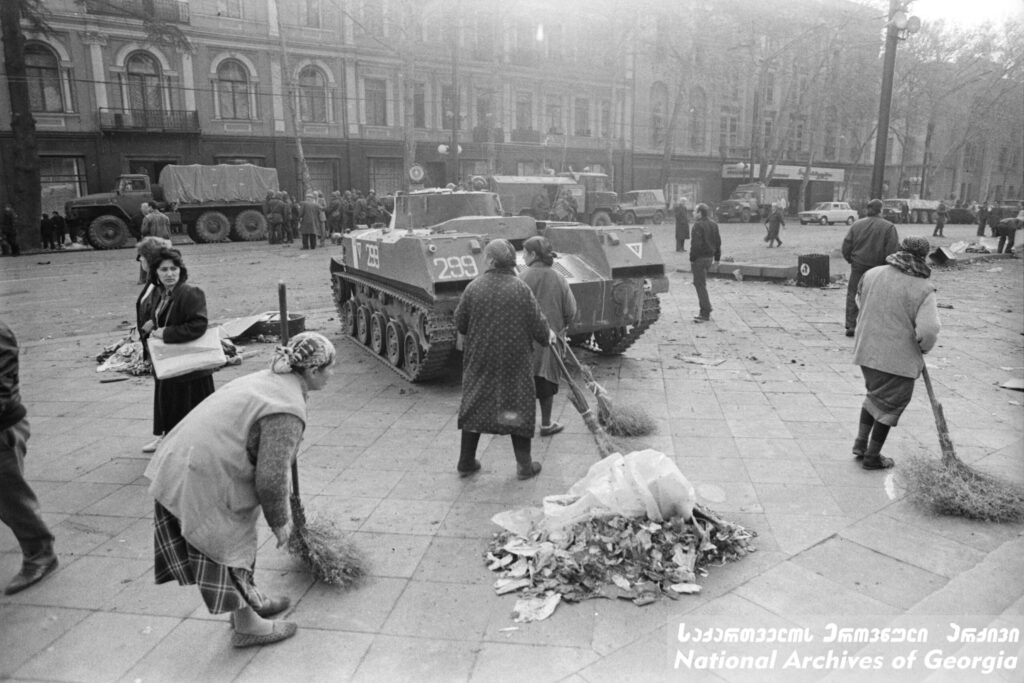
Photo: G. Kikvadze / 1989
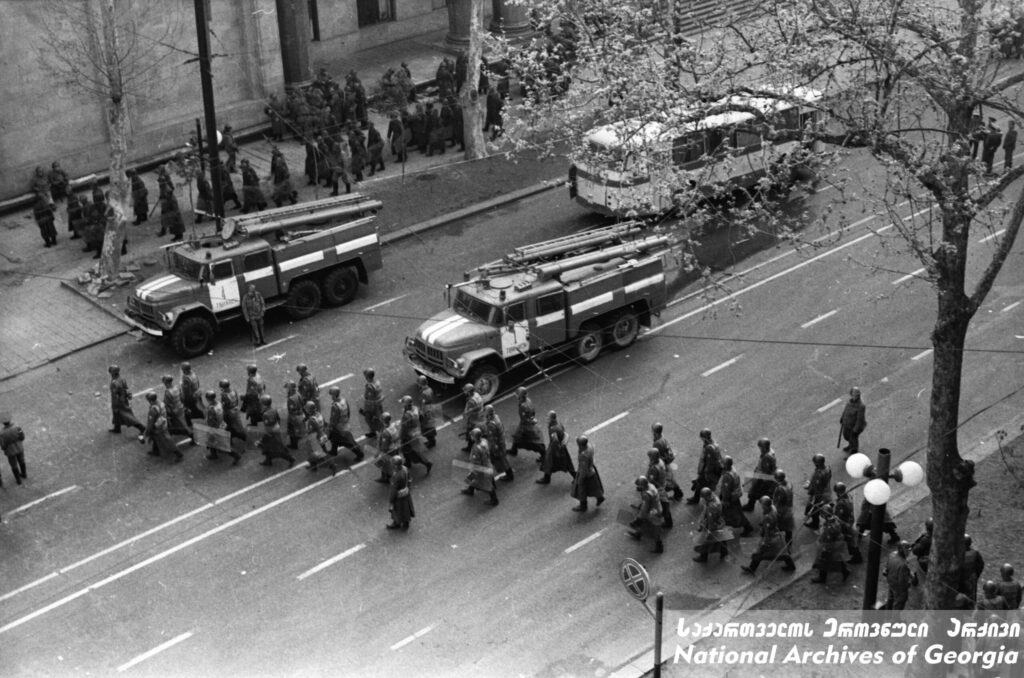
Photo: I. Datunashvili / 1989
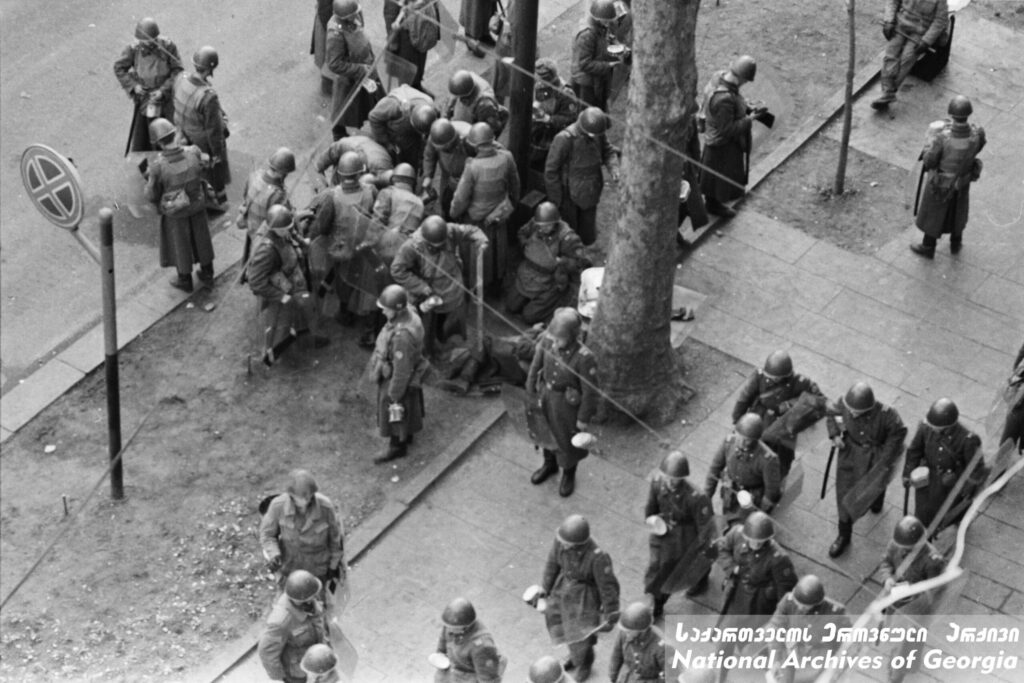
Photo: I. Davitashvili / 1989
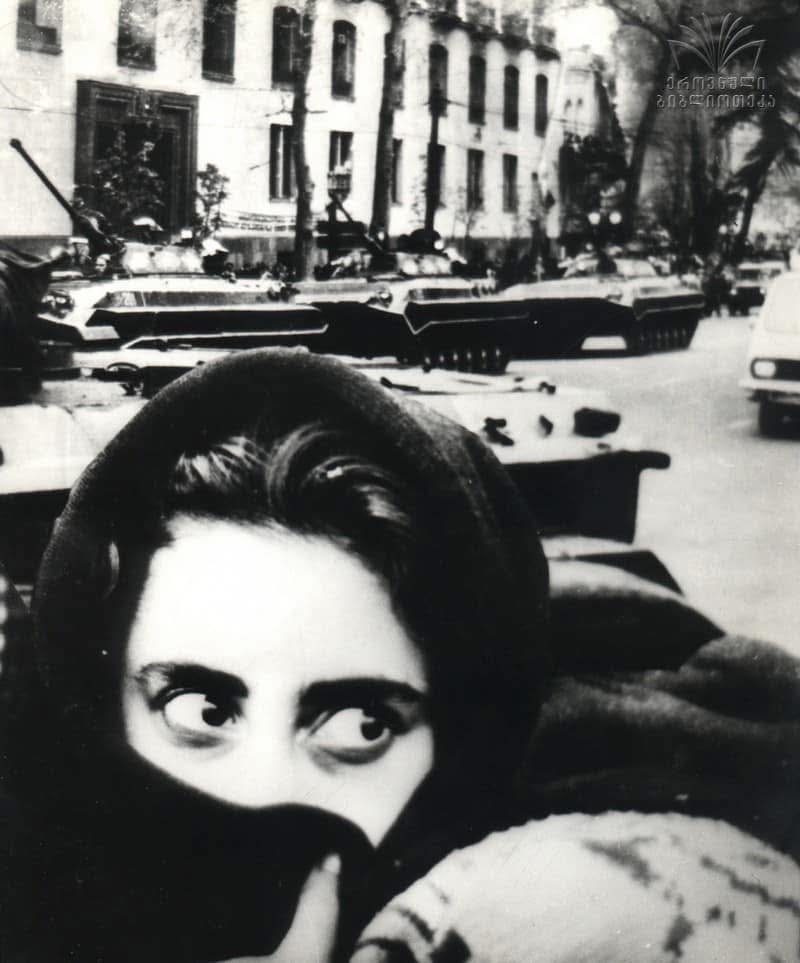
Photo: E. Lapachi / 1989
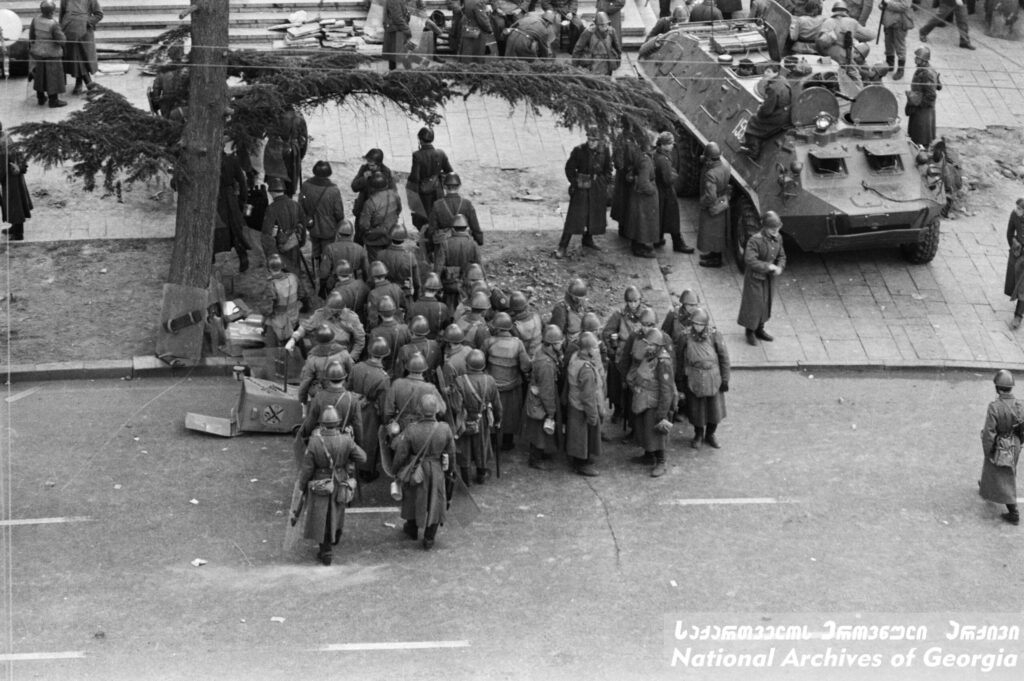
Photo: I. Davitashvili / 1989
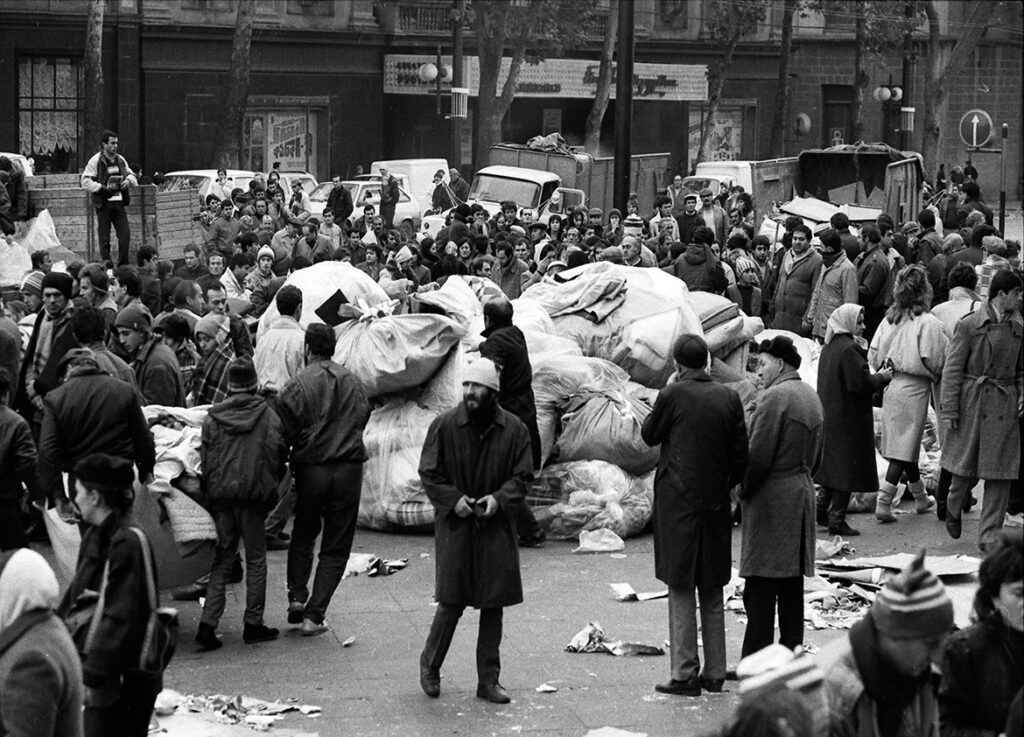
Photo: G. Tsibakhashvili / 1989
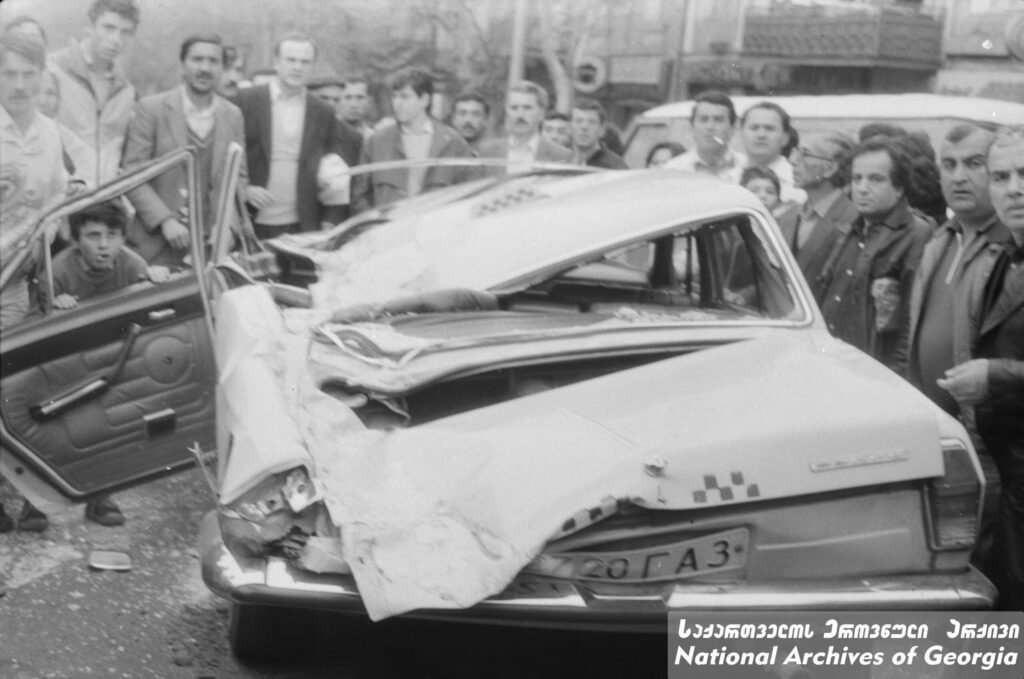
Photo: M. Utiashvili / 1989
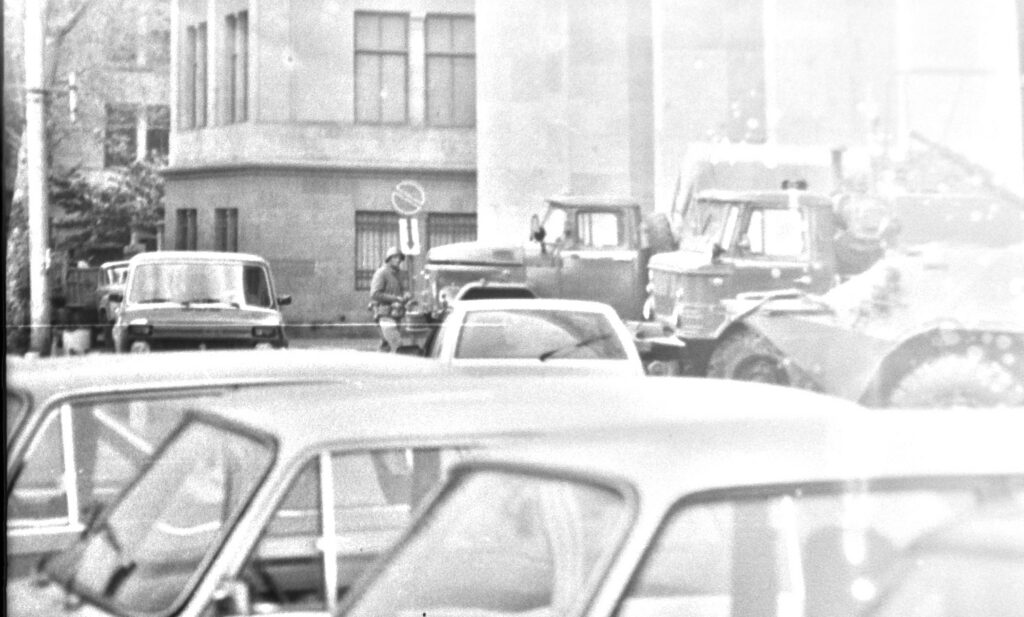
Photo: V. Gabunia / 1989
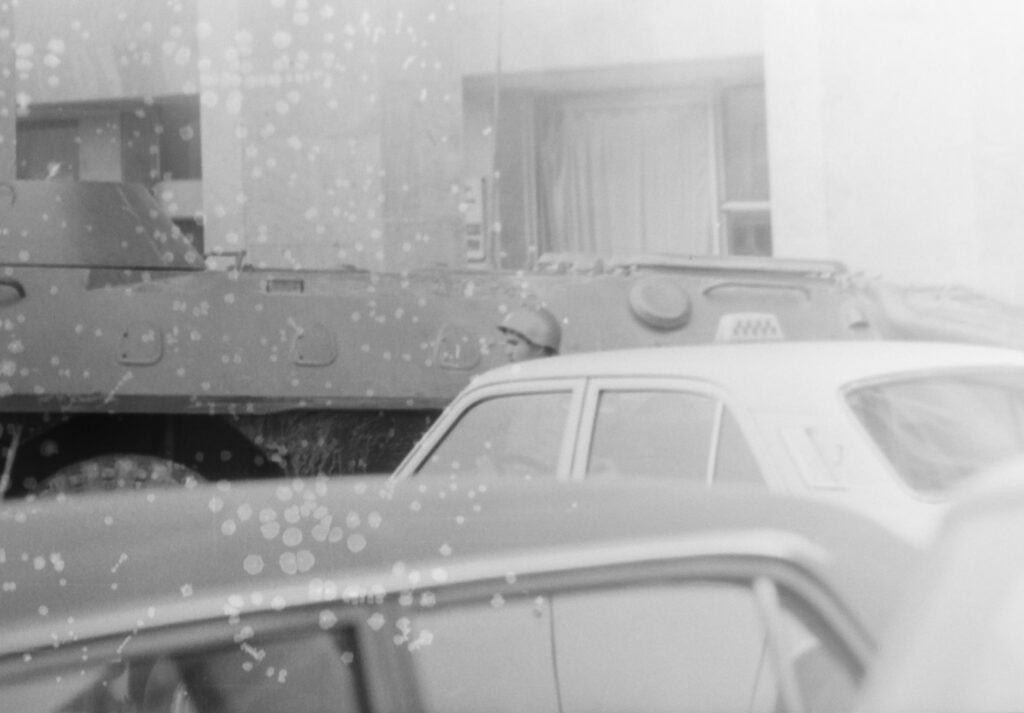
Photo: V. Gabunia / 1989
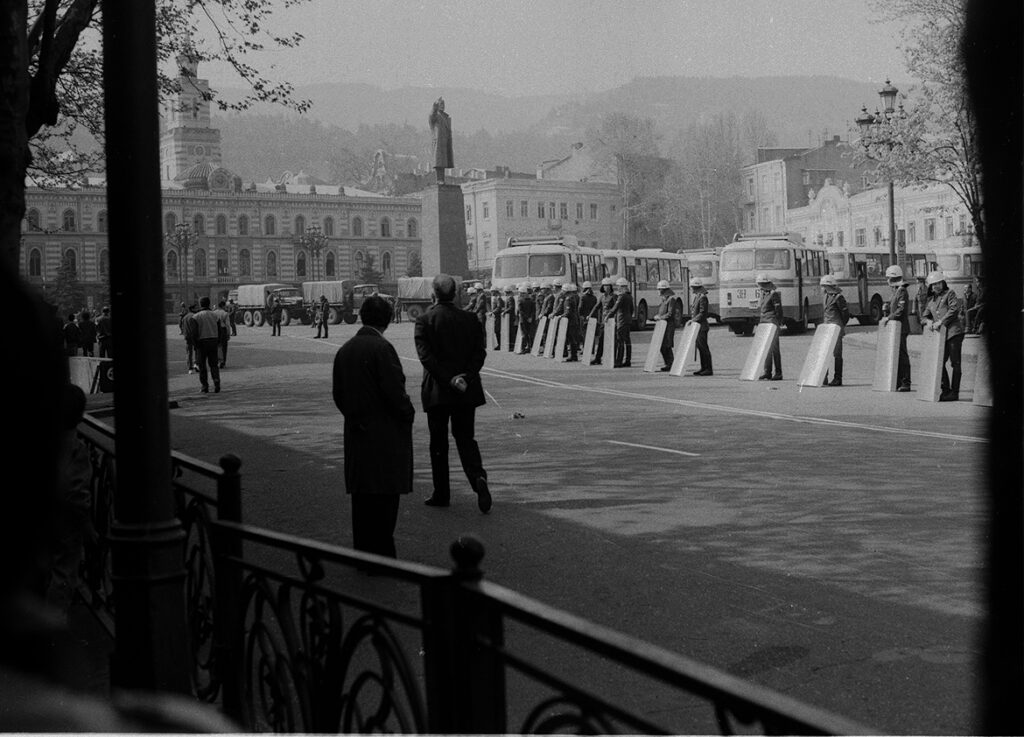
Photo: Y. Mechitov / 1989
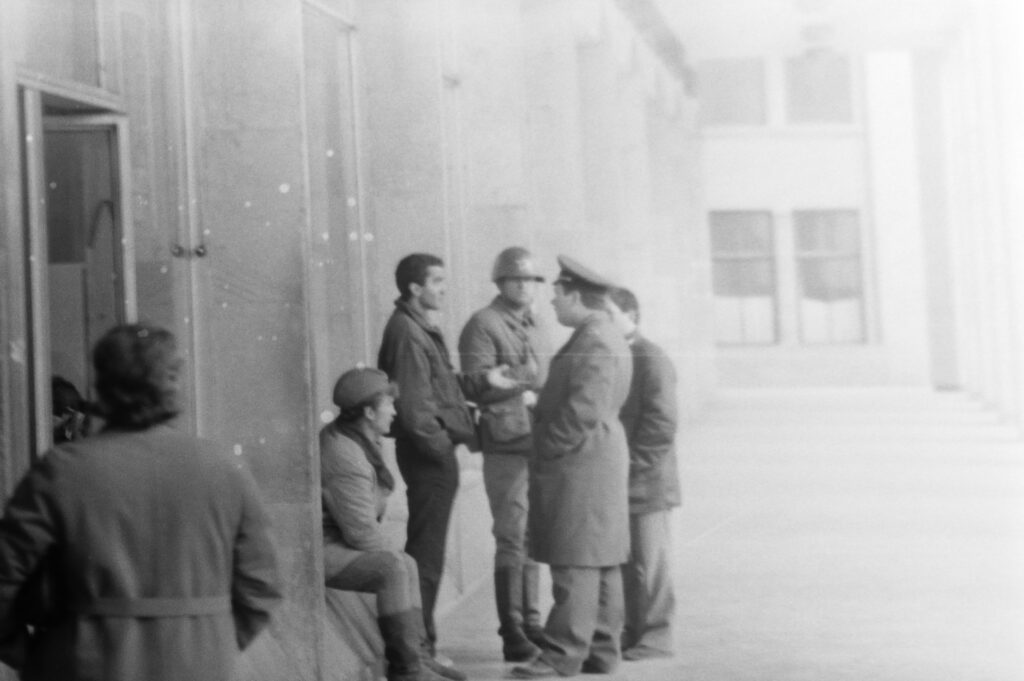
Photo: V. Gabunia / 1989
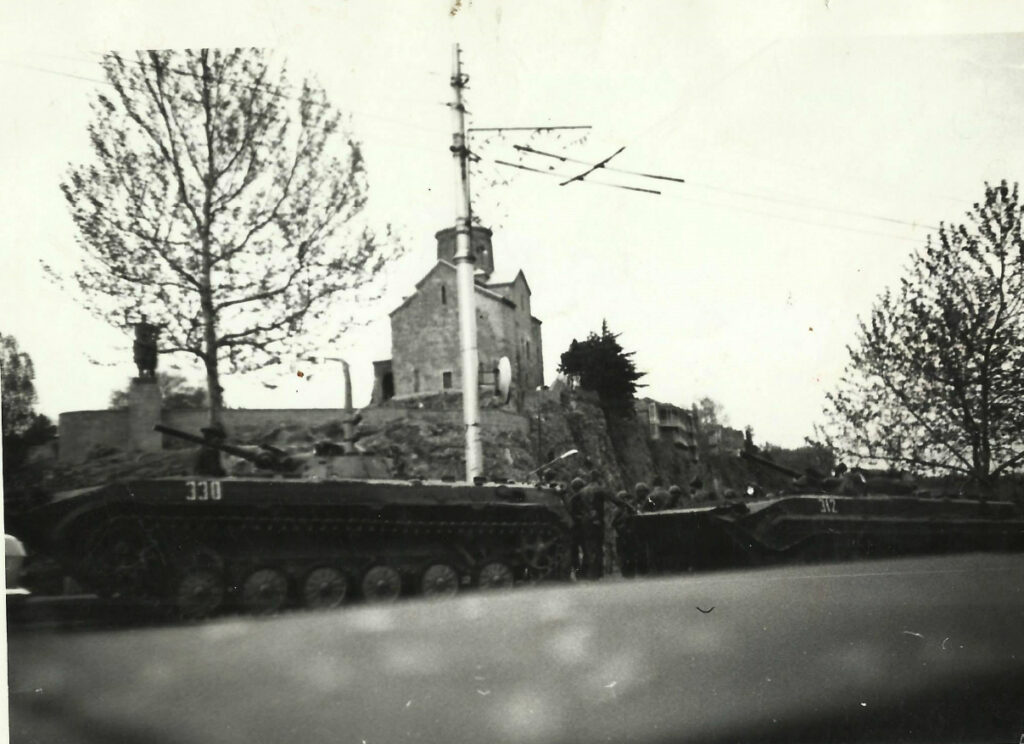
Photo: D. Dadiani / 1989
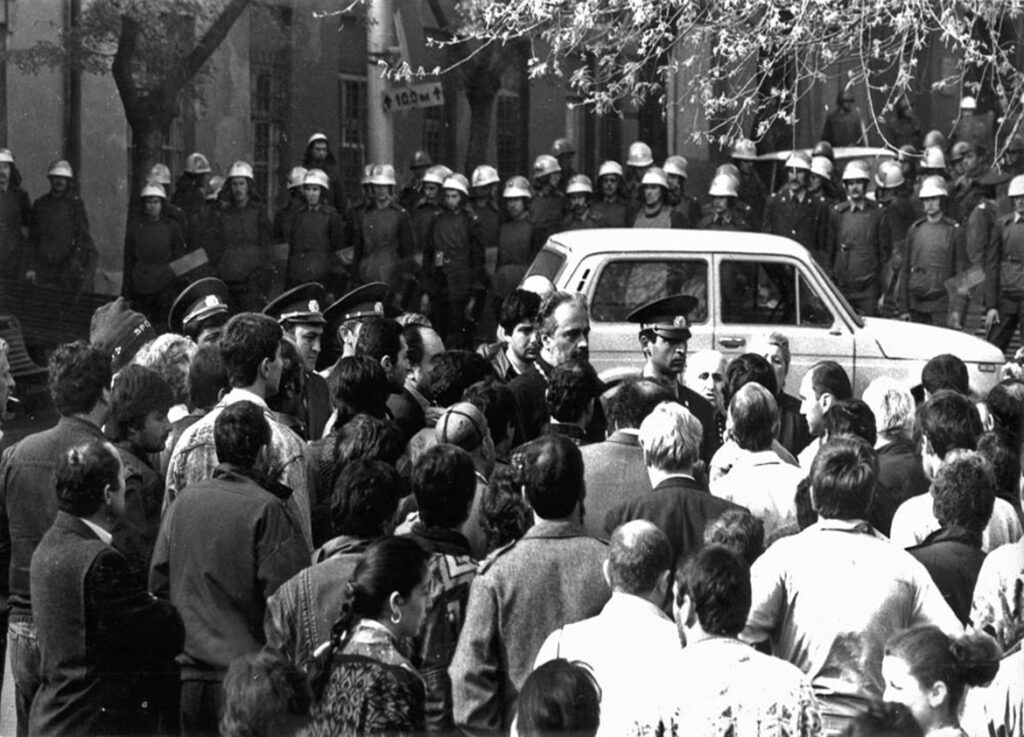
Photo: Y. Mechitov / 1989
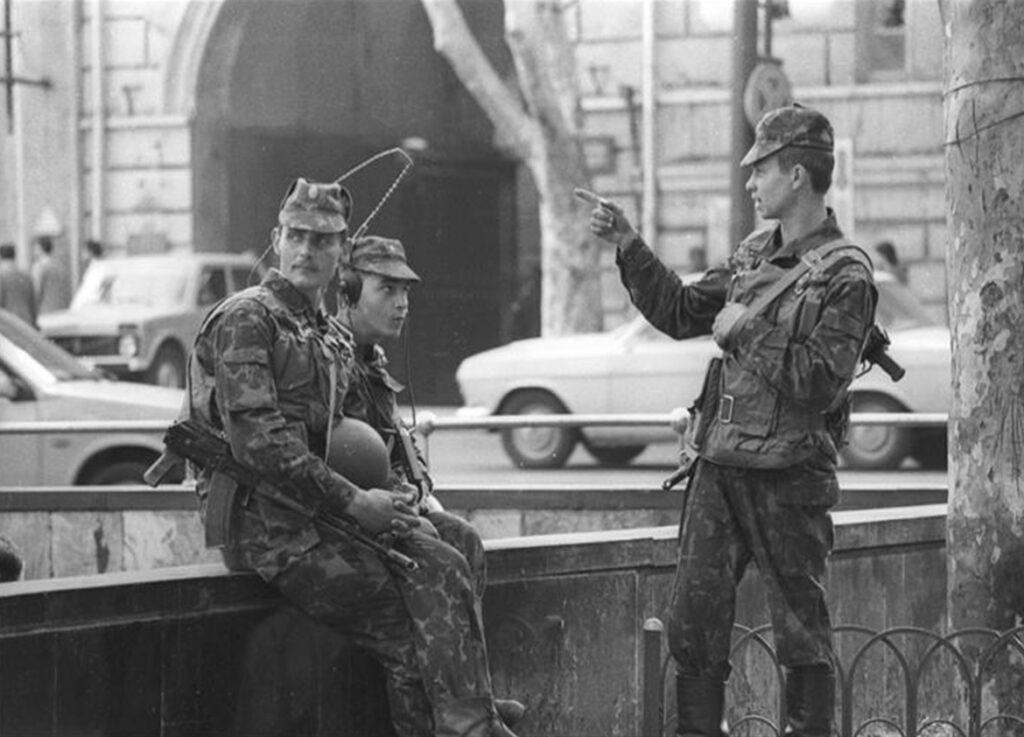
Photo: G. Tsagareli / 1989
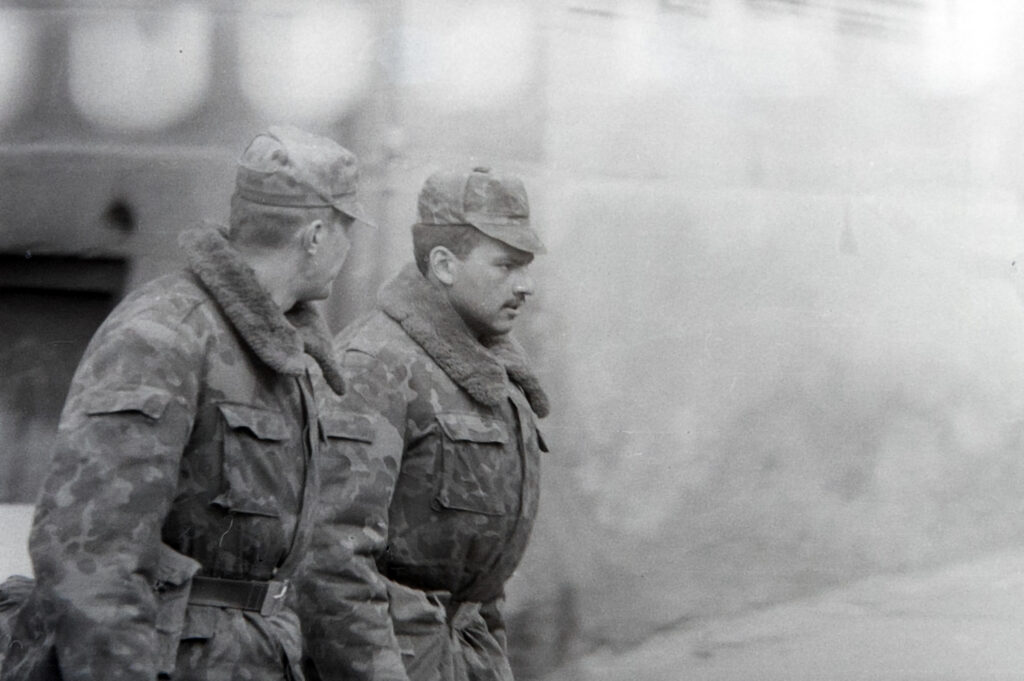
Photo: V. Gabunia / 1989
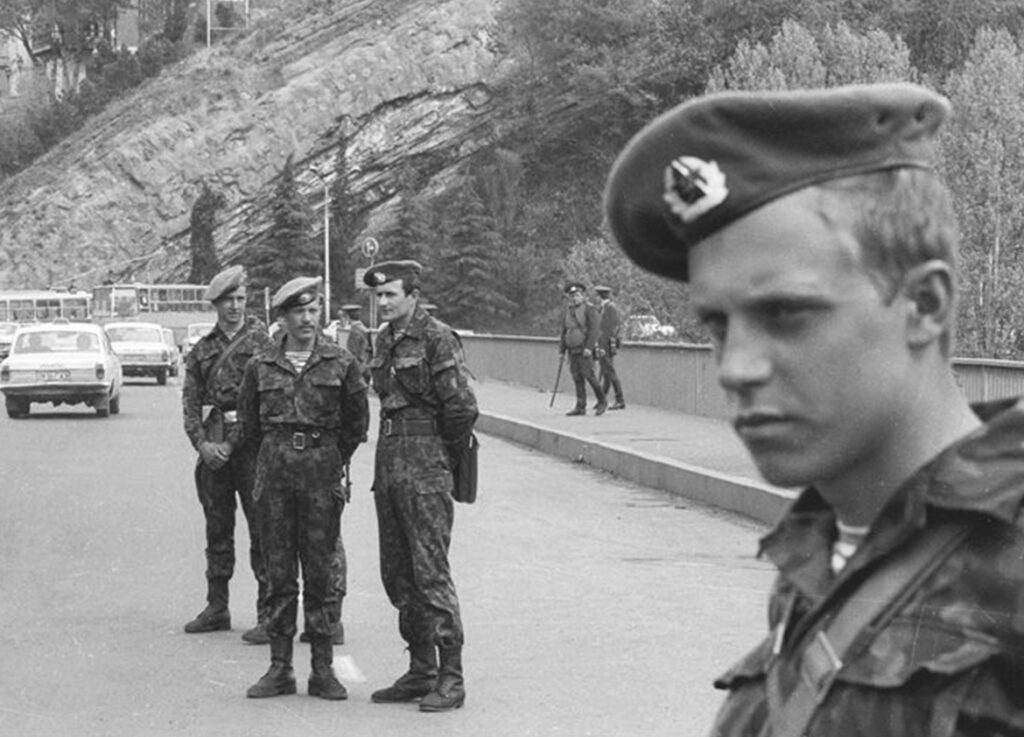
Photo: G. Tsagareli / 1989
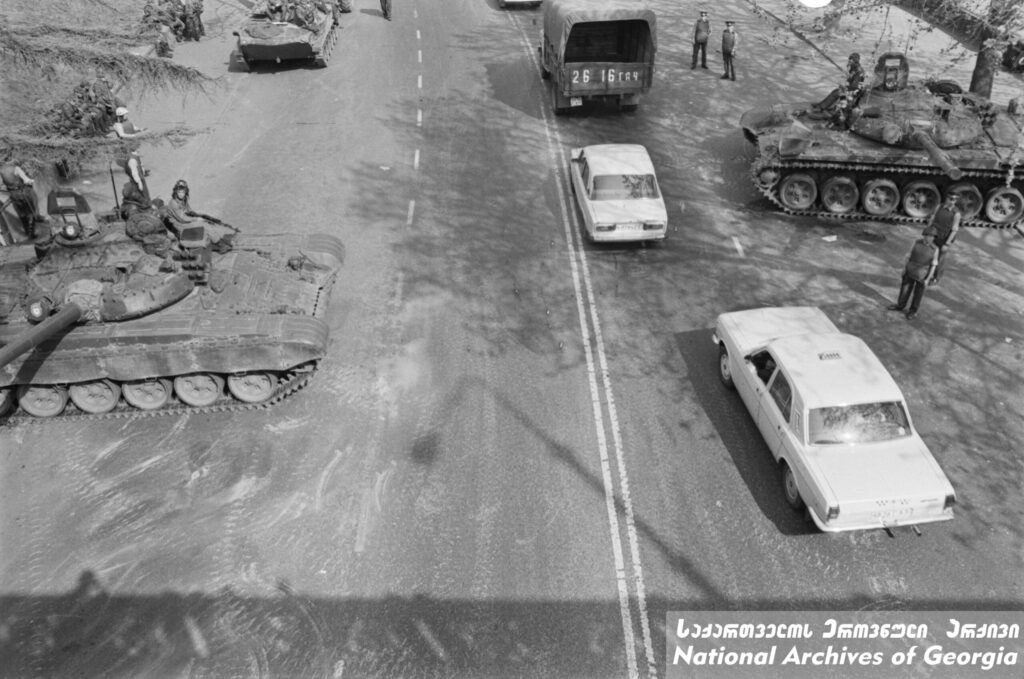
Photo: V. Shlamov / 1989
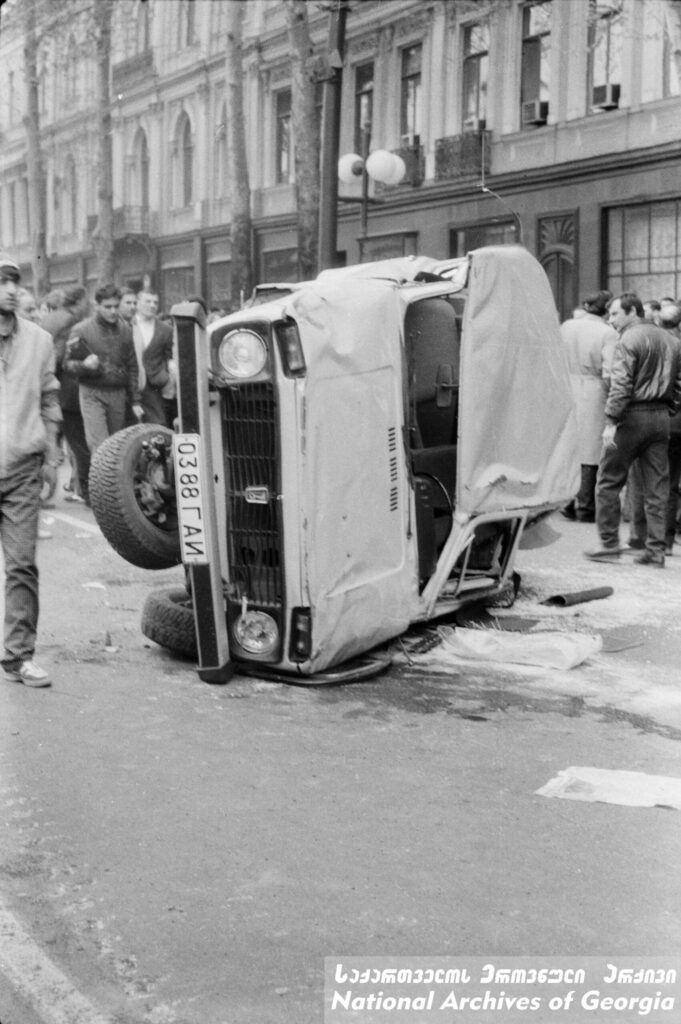
Photo: M. Utiashvili / 1989
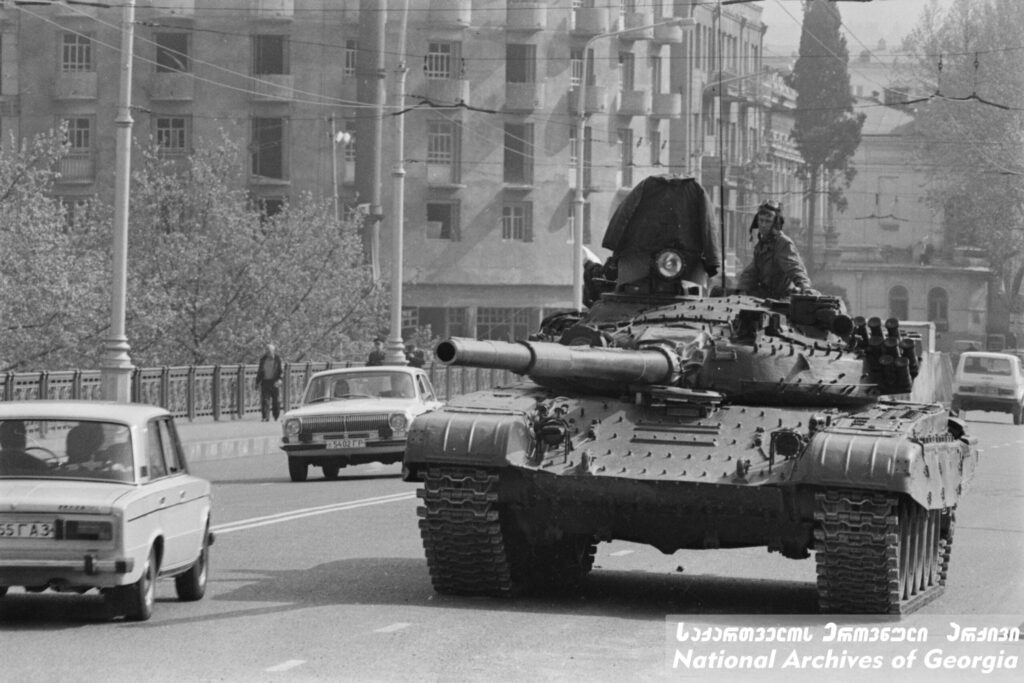
Photo: V. Shlamov / 1989
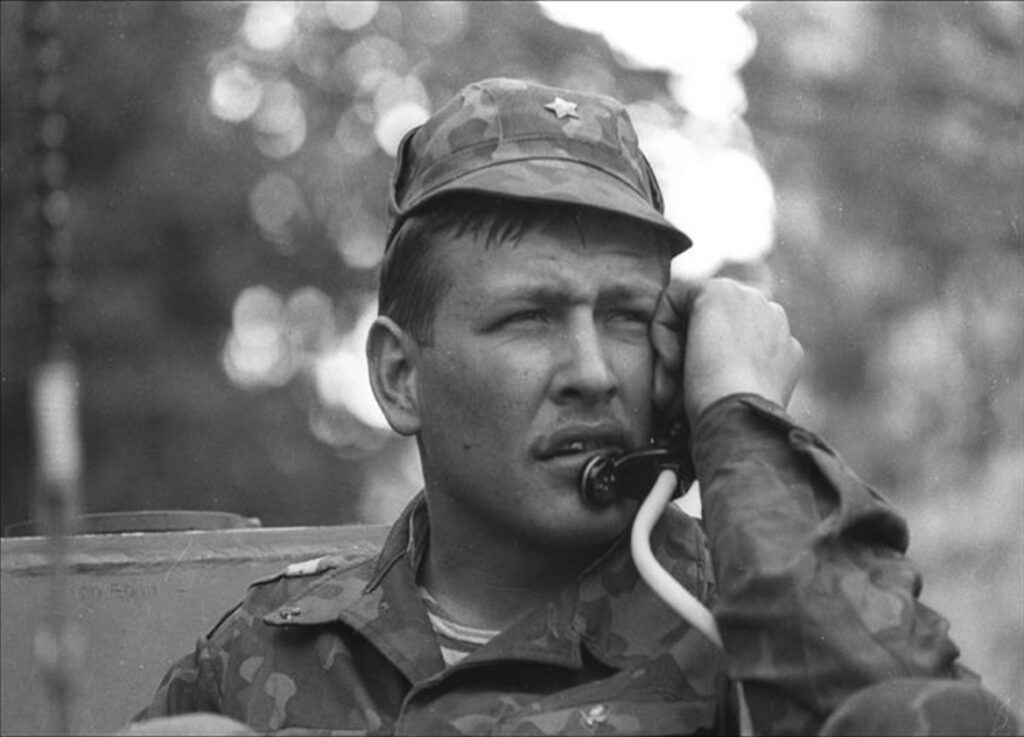
Photo: G. Tsagareli / 1989
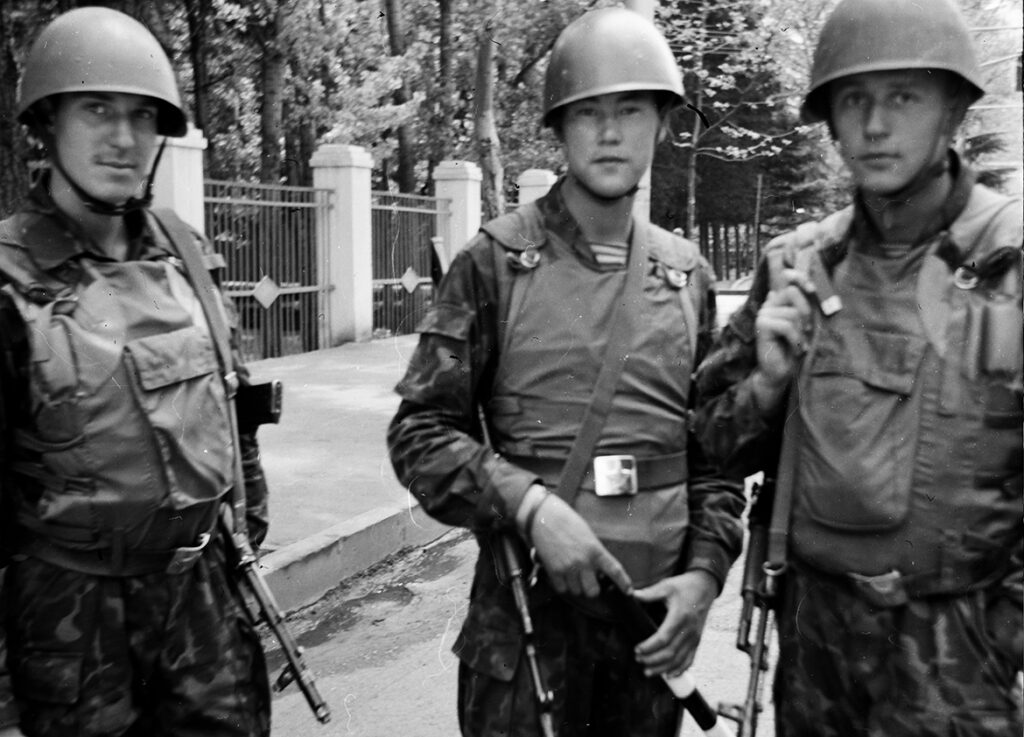
Photo: G. Tsibakhashvili / 1989
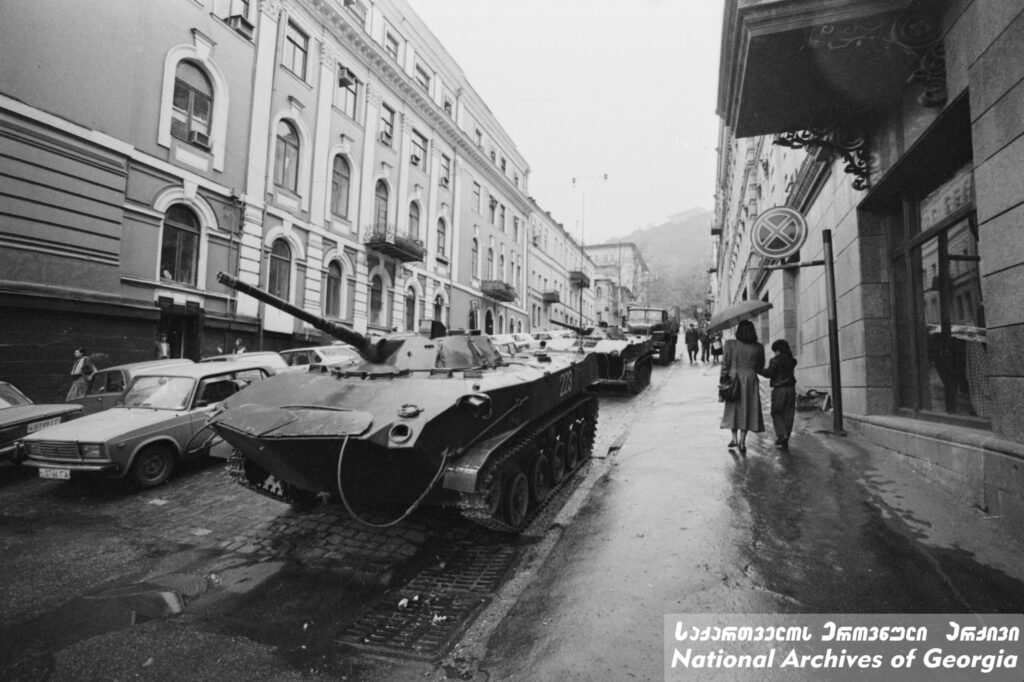
Photo: V. Valishvili / 1989
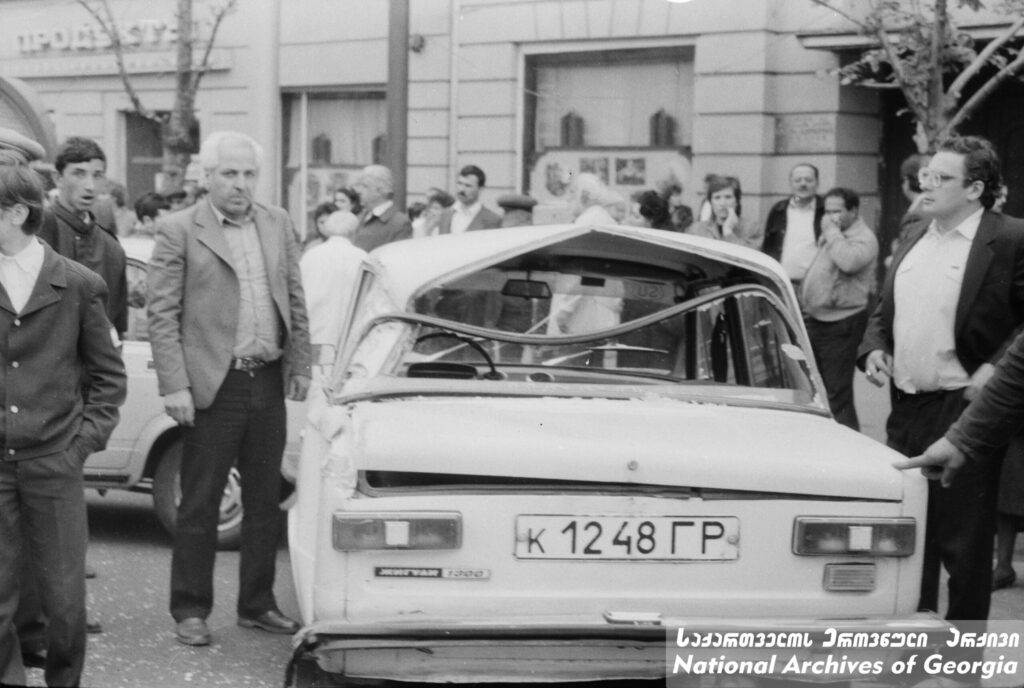
Photo: M. Utiashvili / 1989
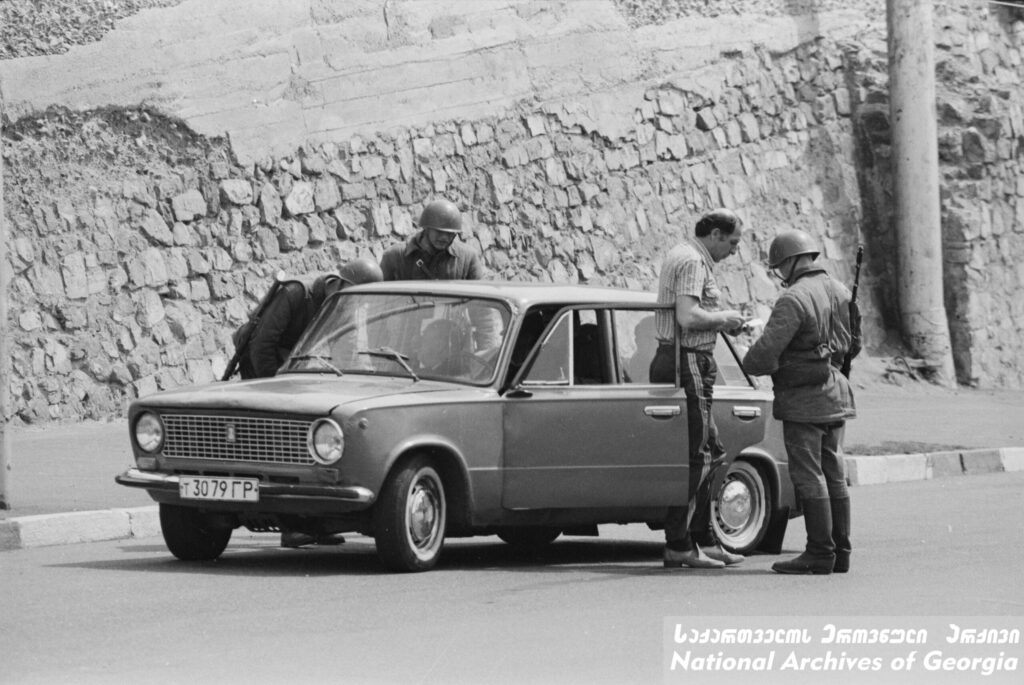
Photo: G. Kikvadze / 1989
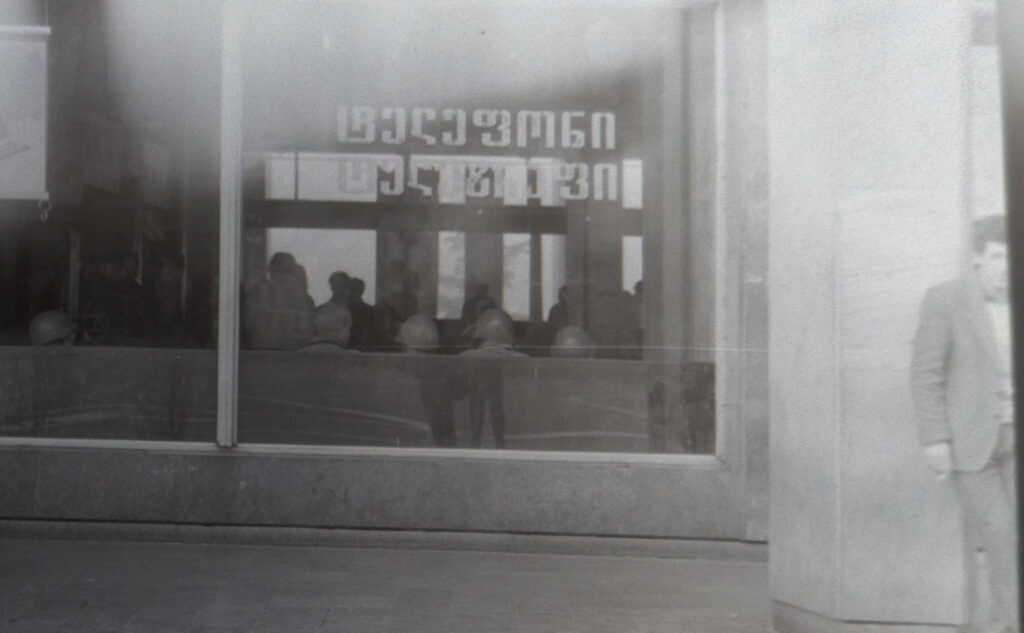
Photo: V. Gabunia / 1989
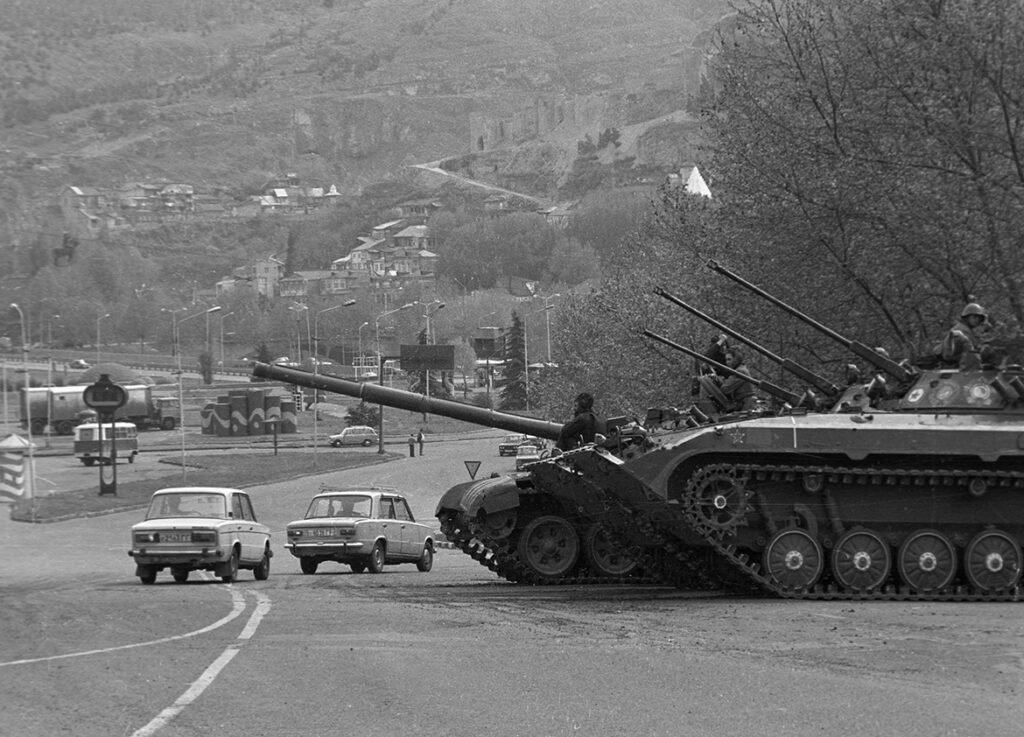
Photo: G. Tsagareli / 1989
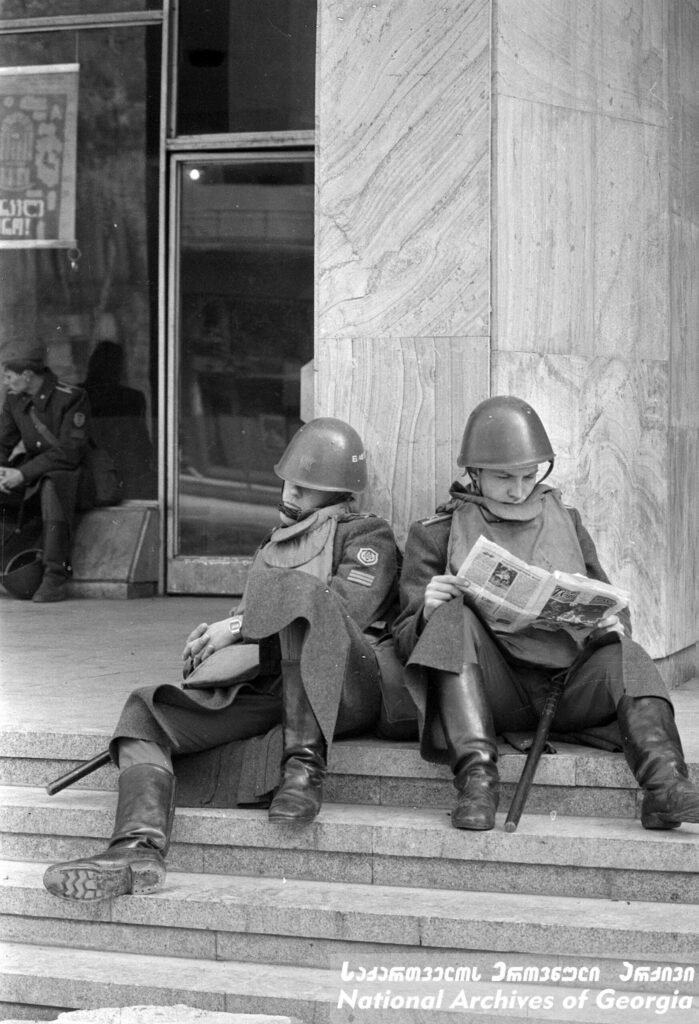
Photo: V. Shlamov / 1989
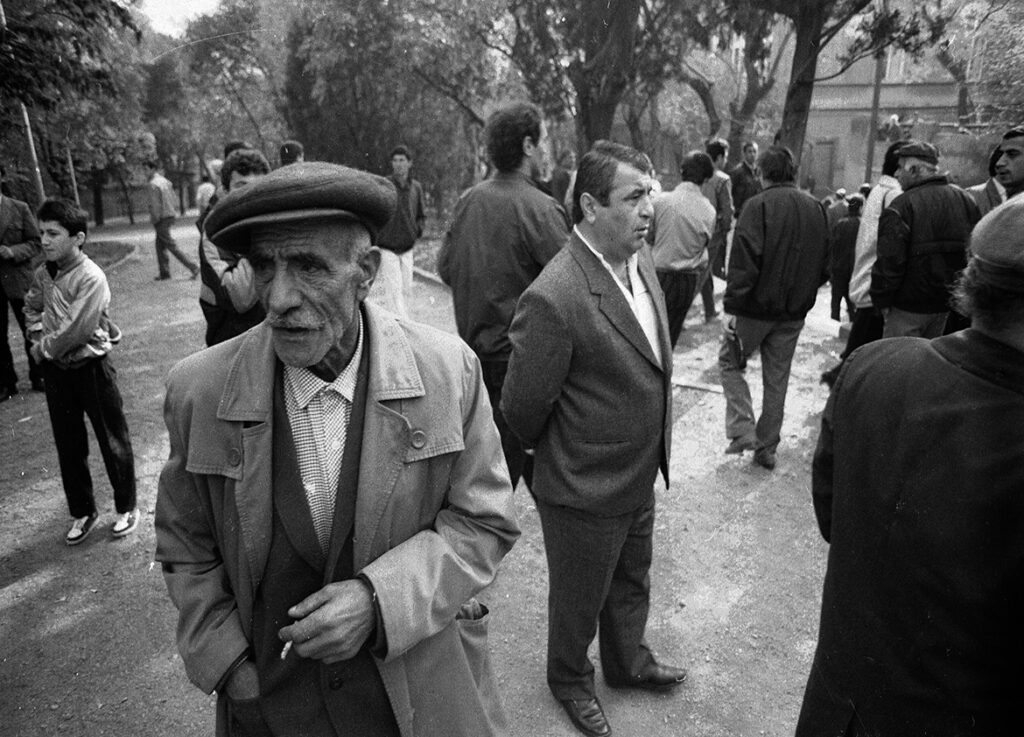
Photo: Y. Mechitov / 1989
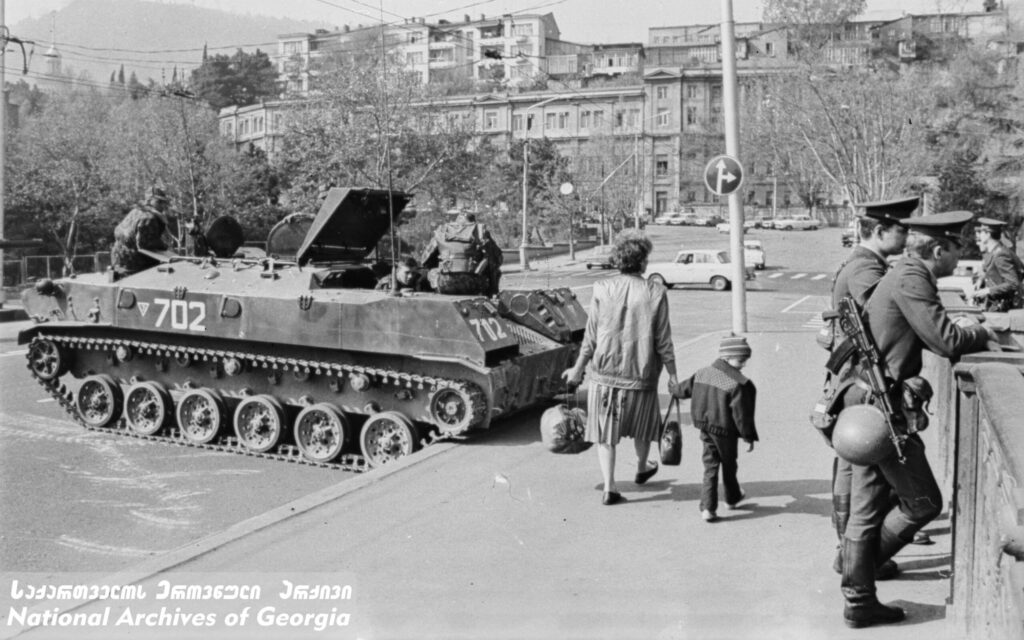
Photo: K. Vacheishvili / 1989
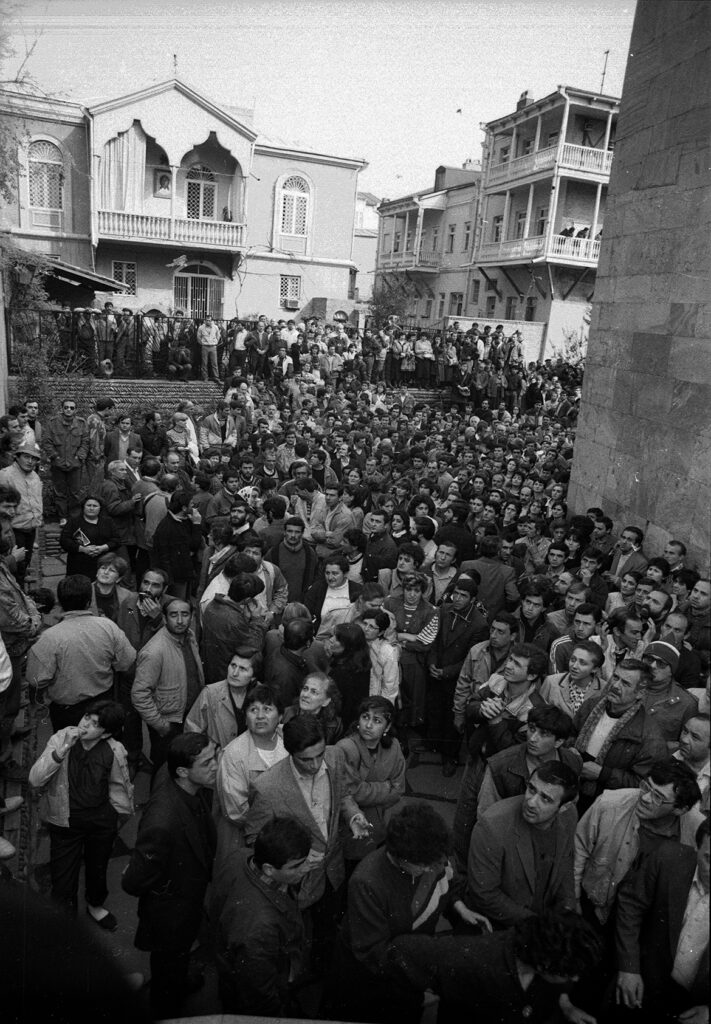
Photo: Y. Mechitov / 1989
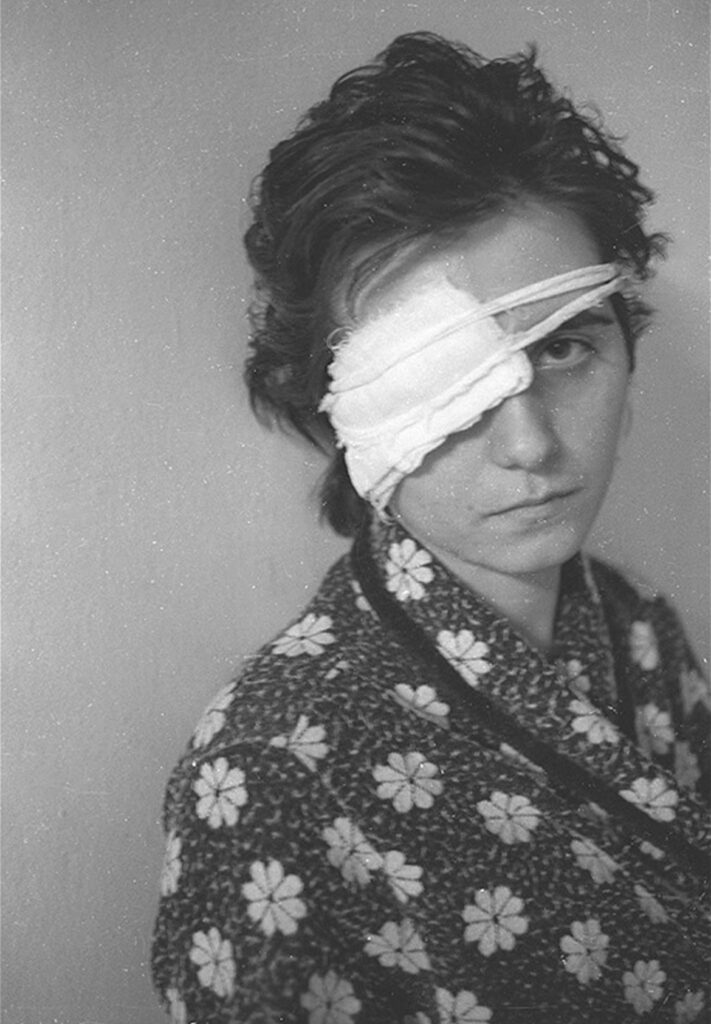
Photo: G. Tsagareli / 1989
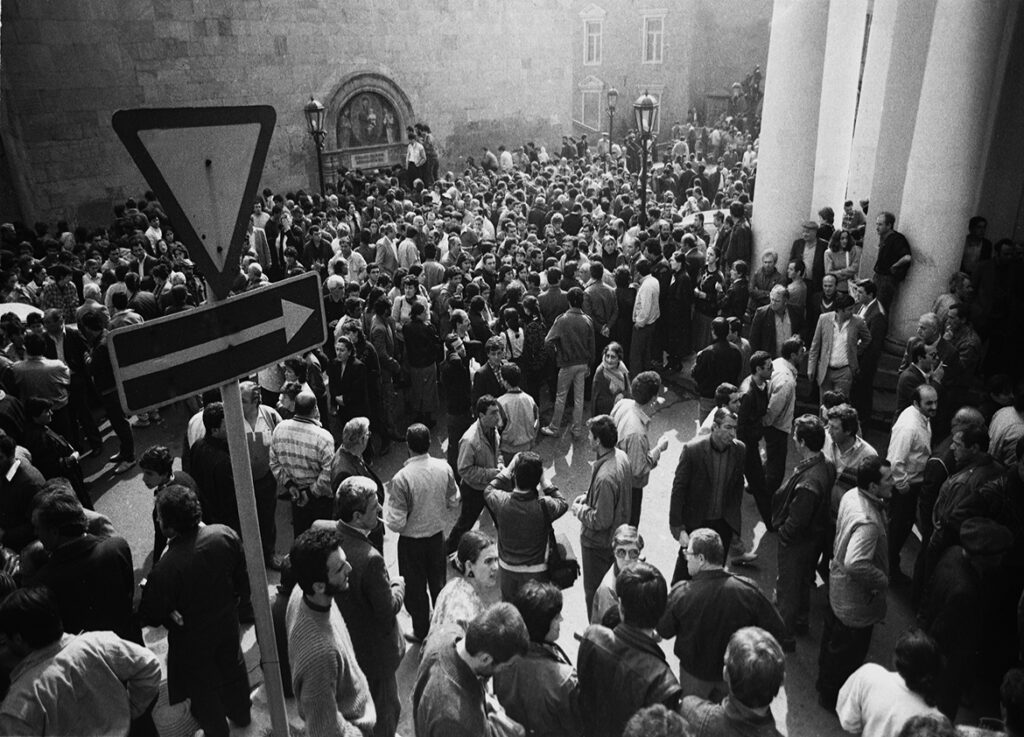
Photo: Y. Mechitov / 1989
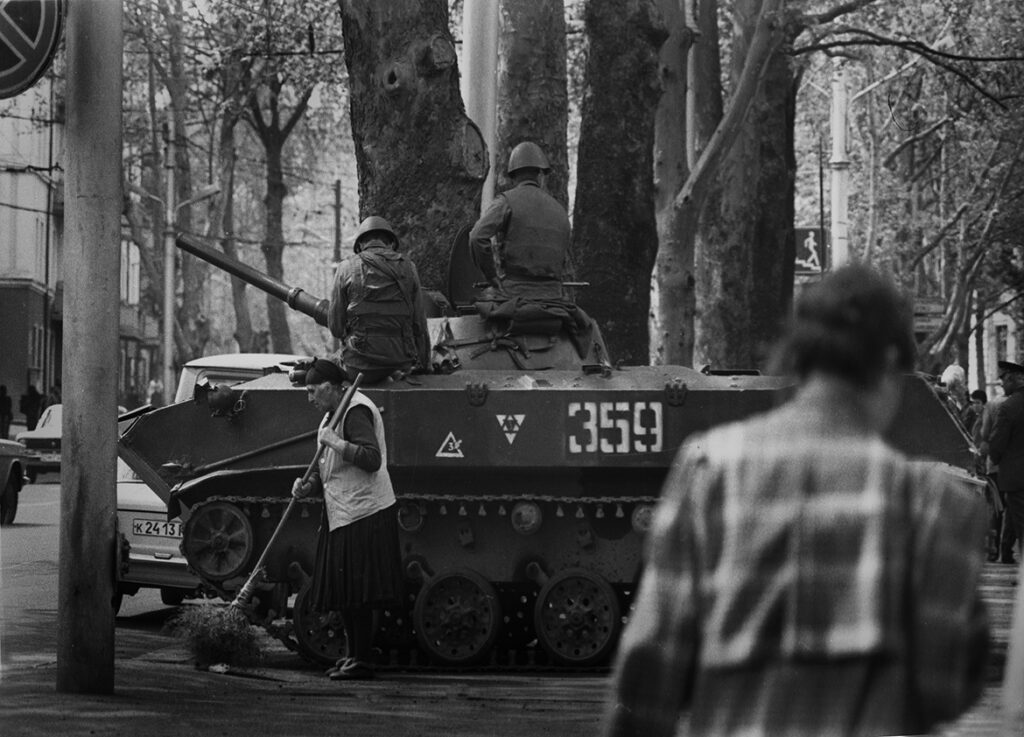
Photo: Y. Mechitov / 1989
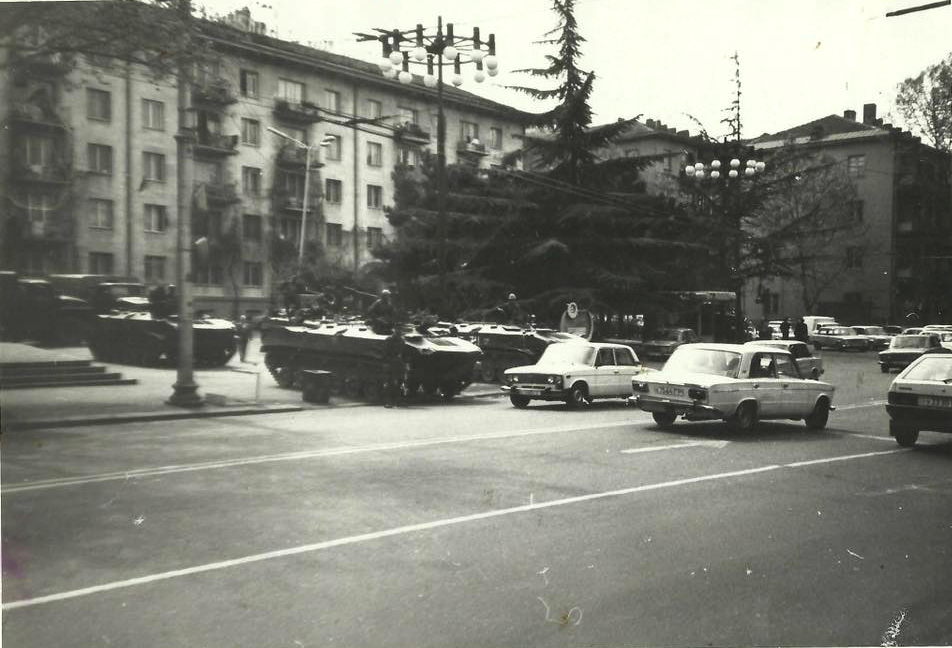
Photo: D. Dadiani / 1989
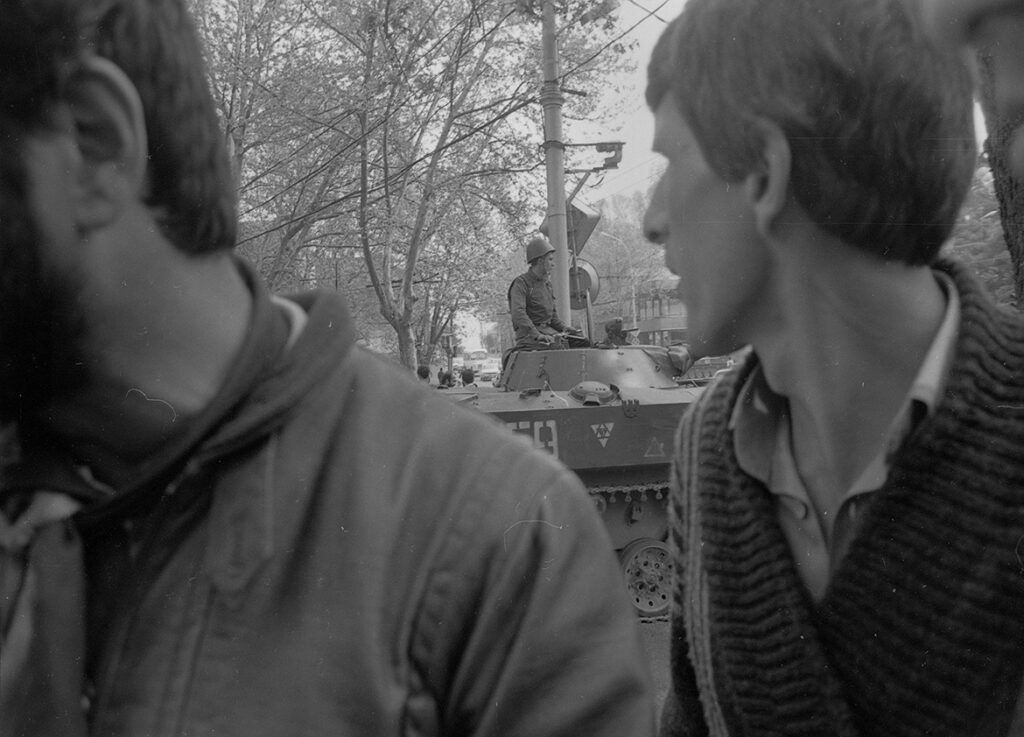
Photo: Y. Mechitov / 1989
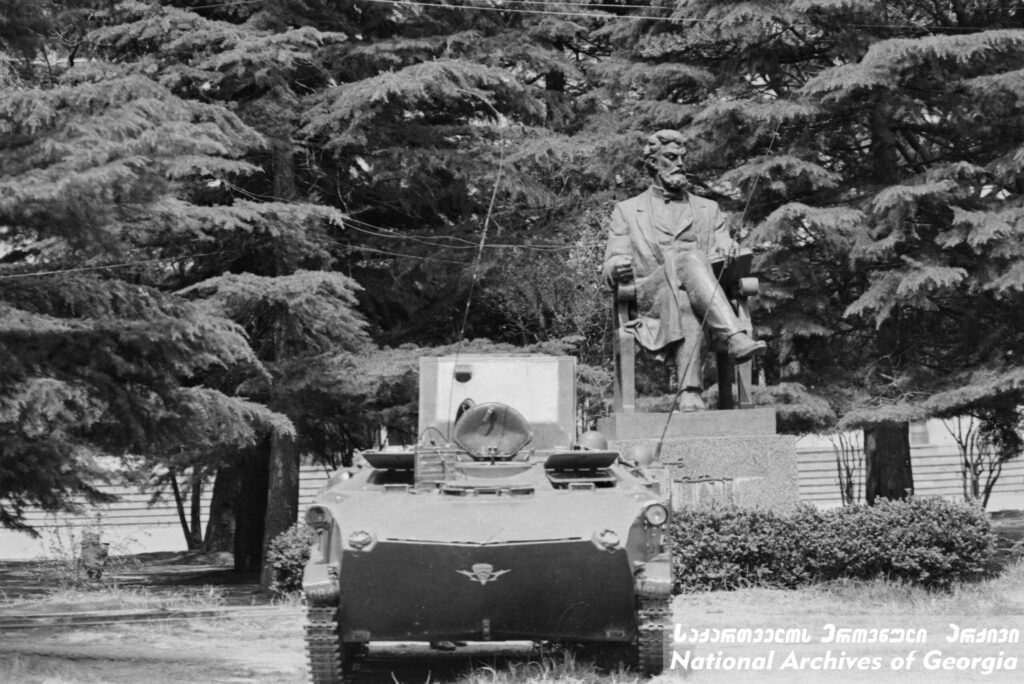
Photo: G. Kikvadze / 1989
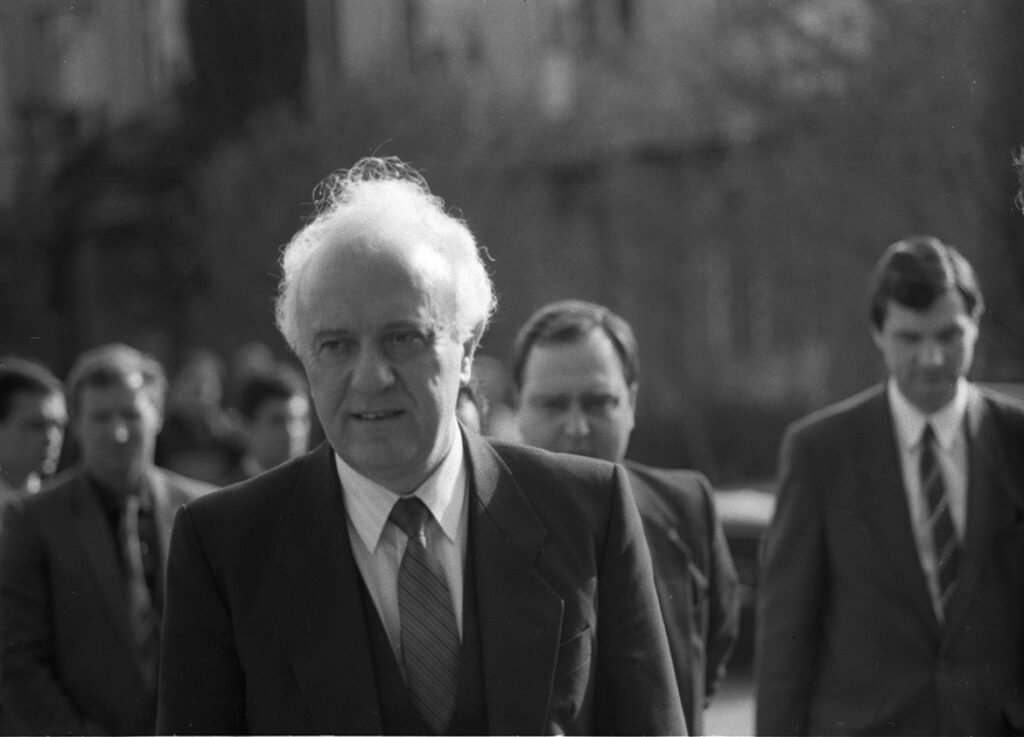
Photo: Y. Mechitov / 1989
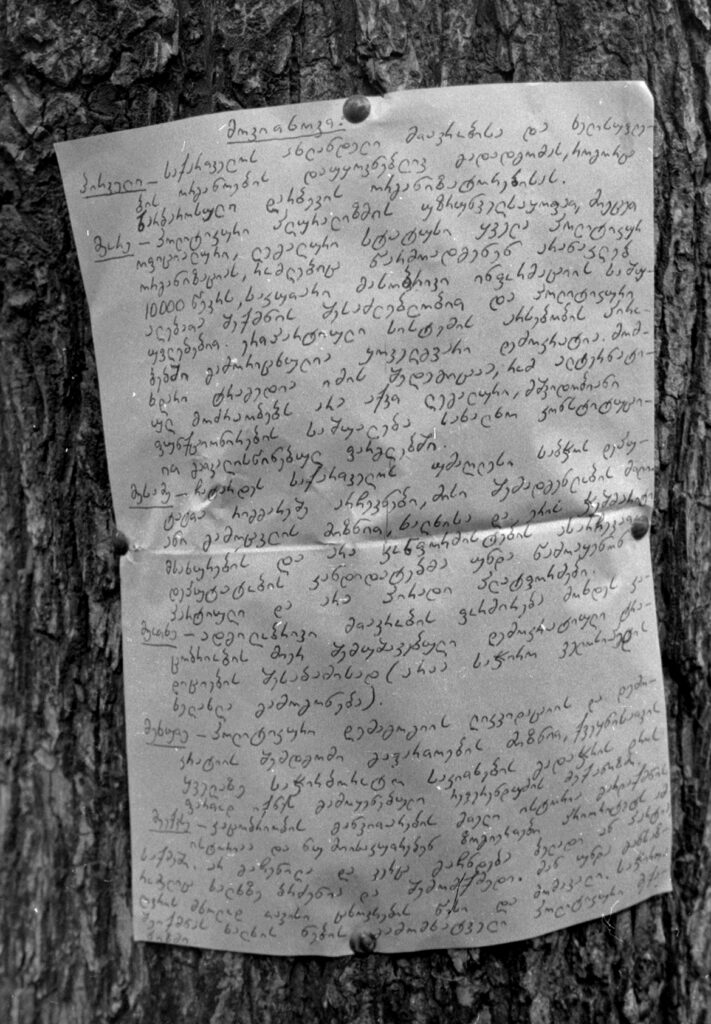
Photo: Y. Mechitov / 1989
But the Foreign Ministry acknowledged that, despite Moscow’s efforts, scattered demonstrations continued Monday in the republic’s capital of Tbilisi, where the troop presence was beefed up. Armored personnel carriers and tanks were reportedly parked in public squares and a dusk-to-dawn curfew was imposed. A general strike closed schools, stores and factories and halted some mass transit.
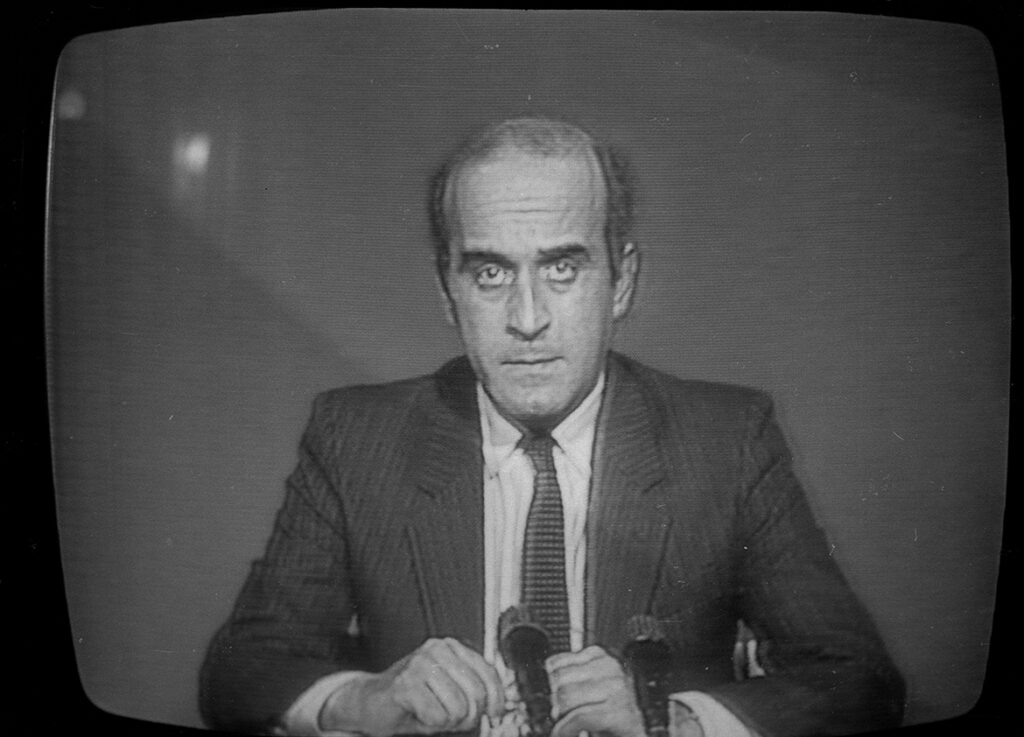
Photo: Y. Mechitov / 1989
/ Death Toll
/ Funerals
/ Mourning
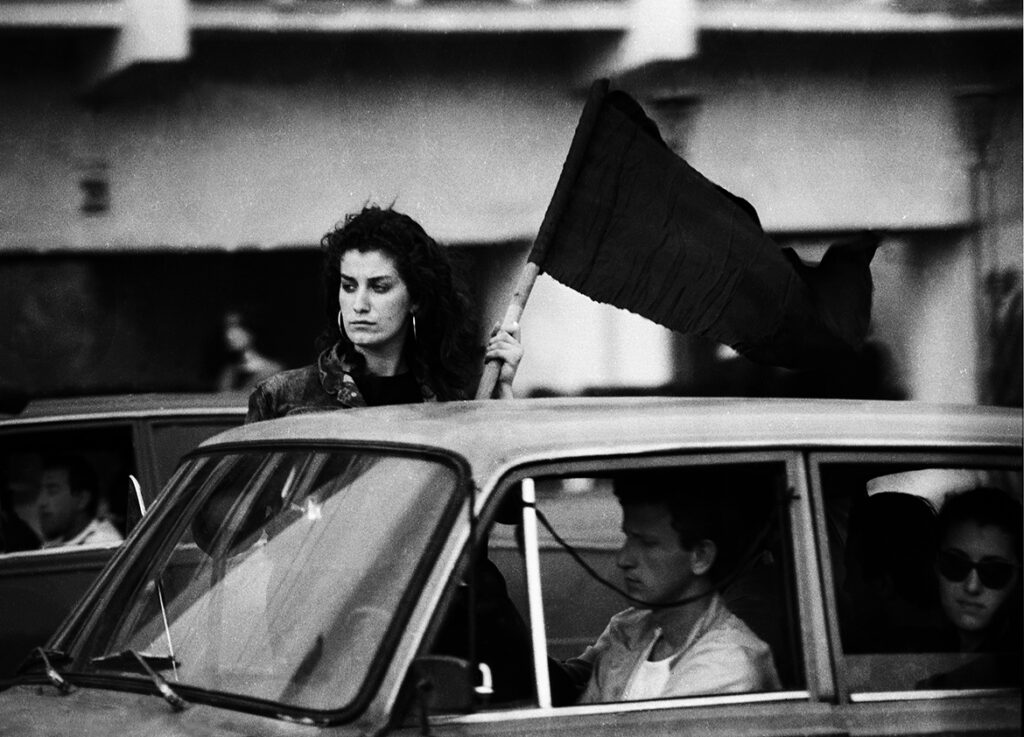
Photo: Y. Mechitov / 1989
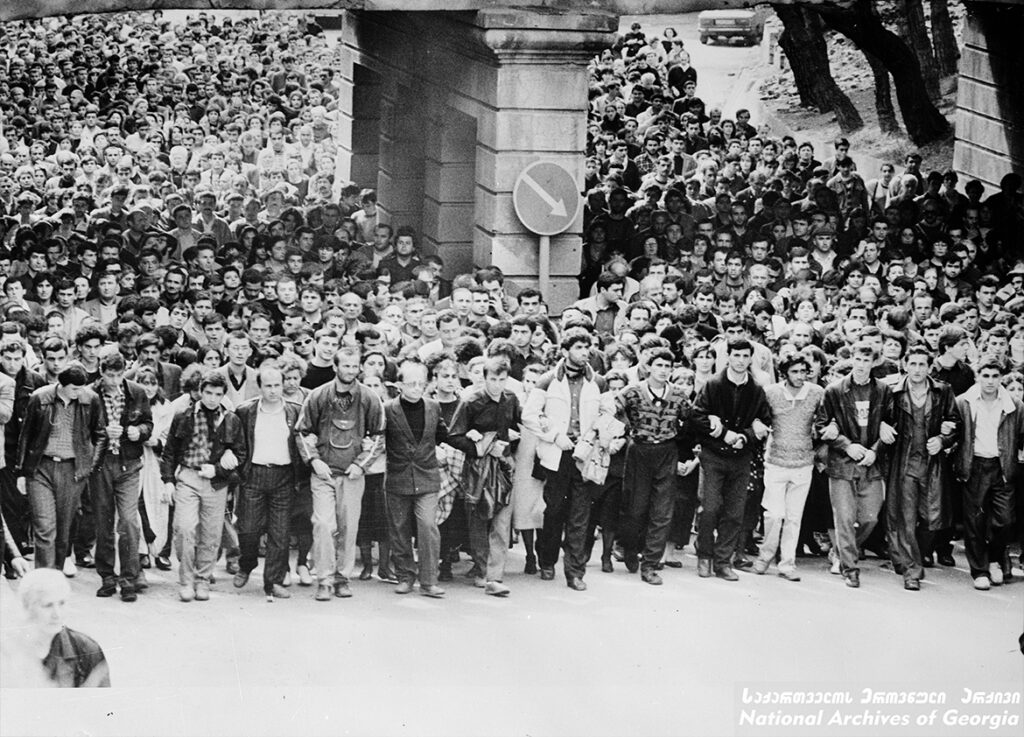
Photo: S. Aivazov / 1989
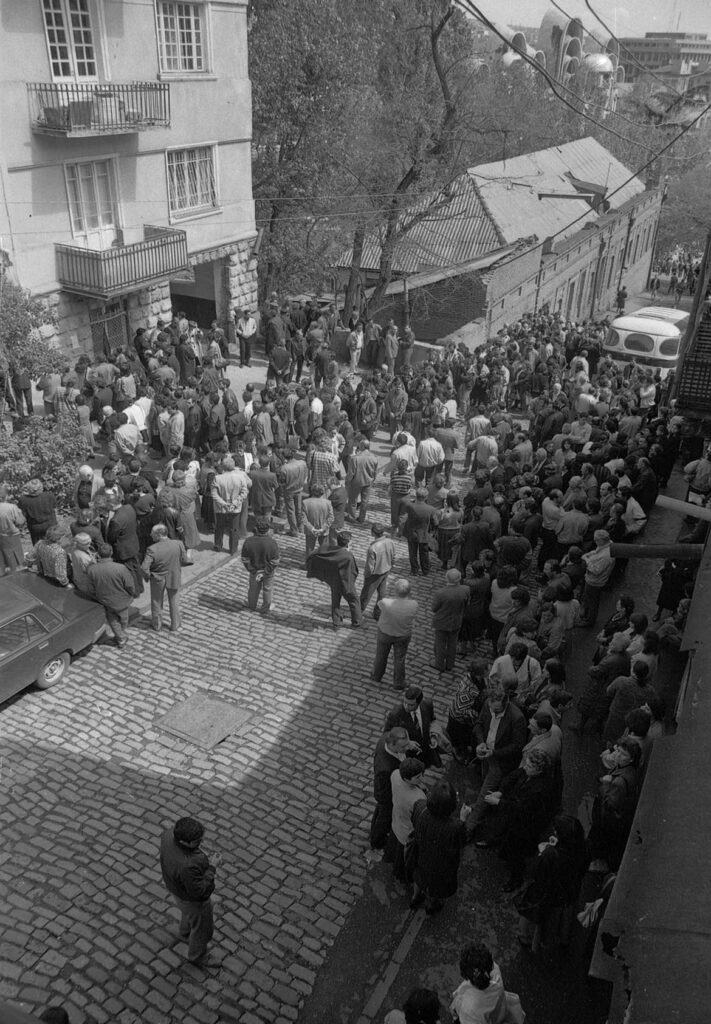
Photo: Y. Mechitov / 1989
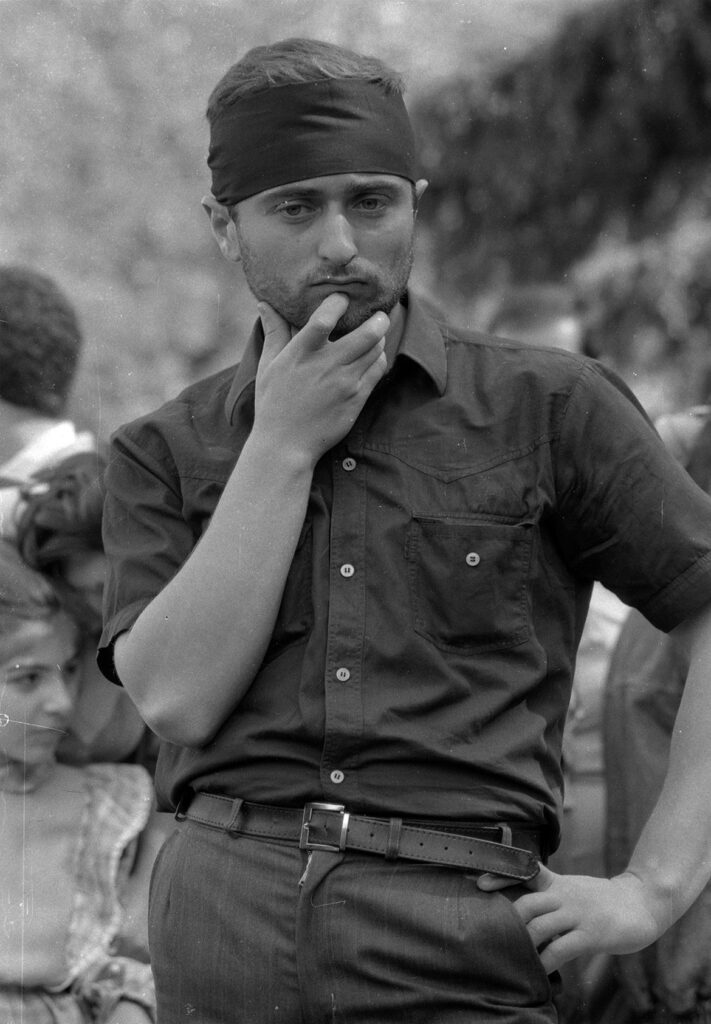
Photo: Y. Mechitov / 1989
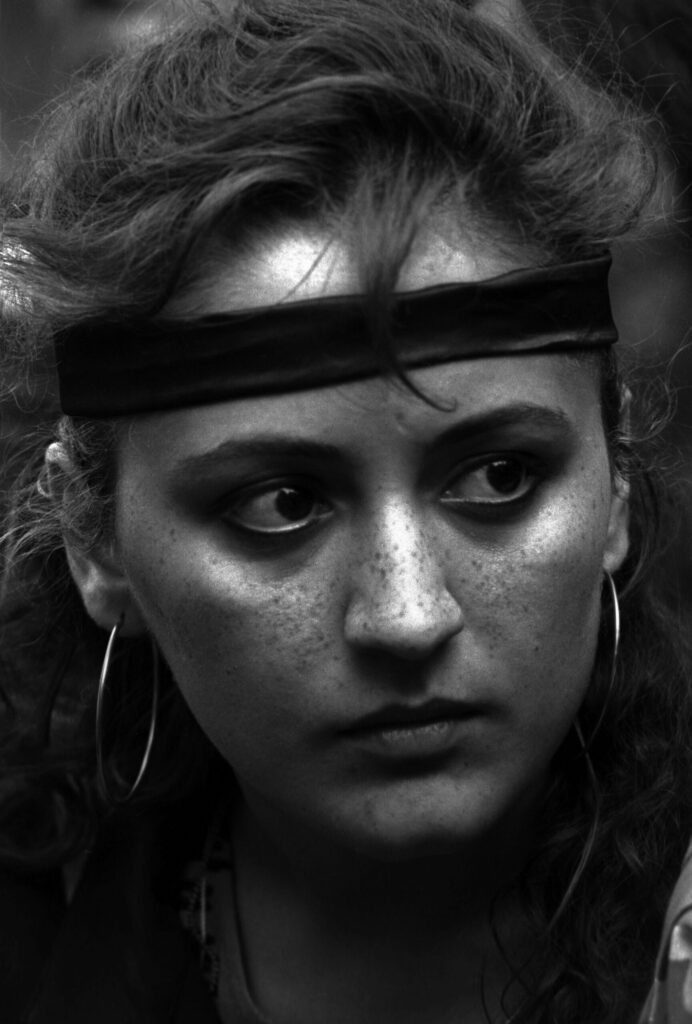
Photo: G. Tsagareli / 1989
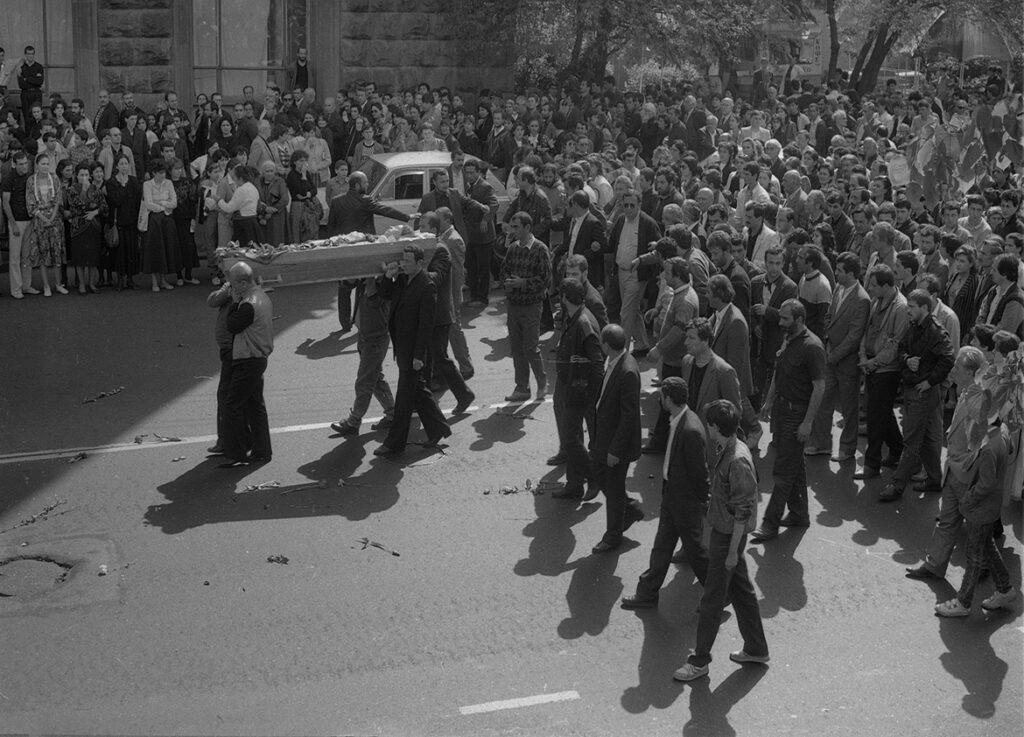
Photo: Y. Mechitov / 1989
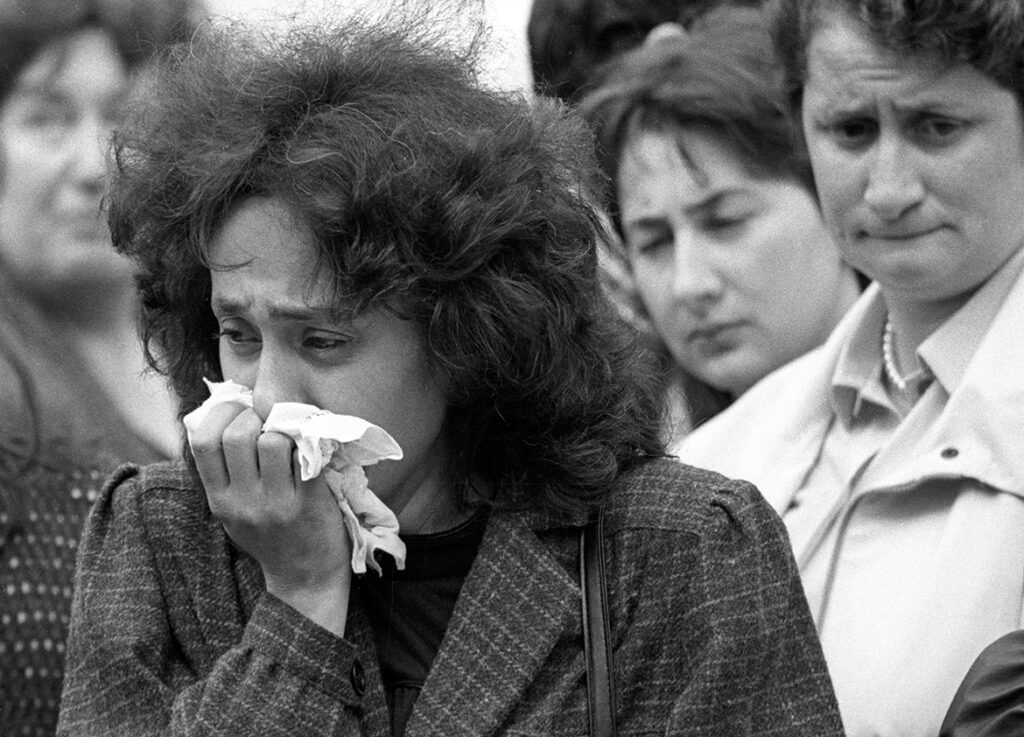
Photo: G. Tsagareli / 1989
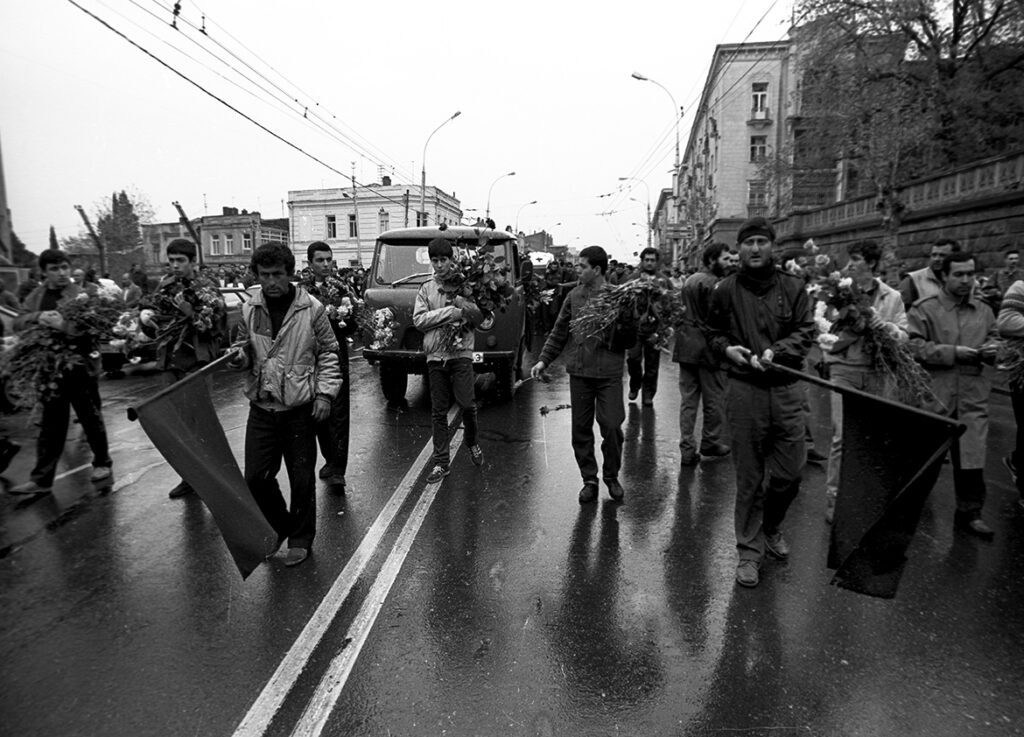
Photo: G. Tsagareli / 1989
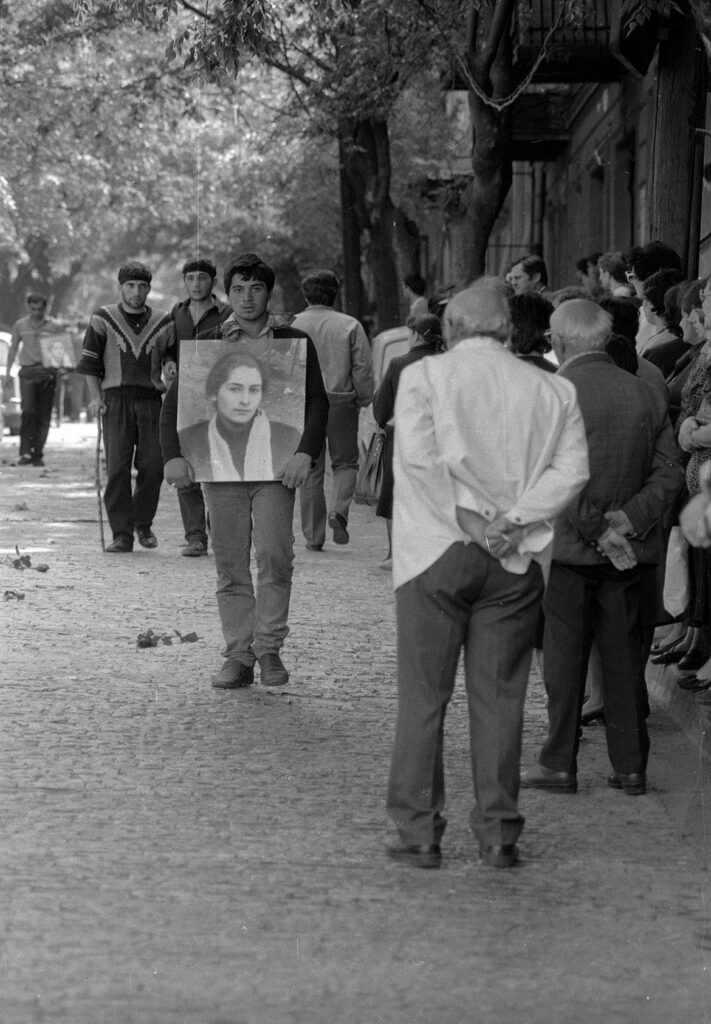
Photo: Y. Mechitov / 1989
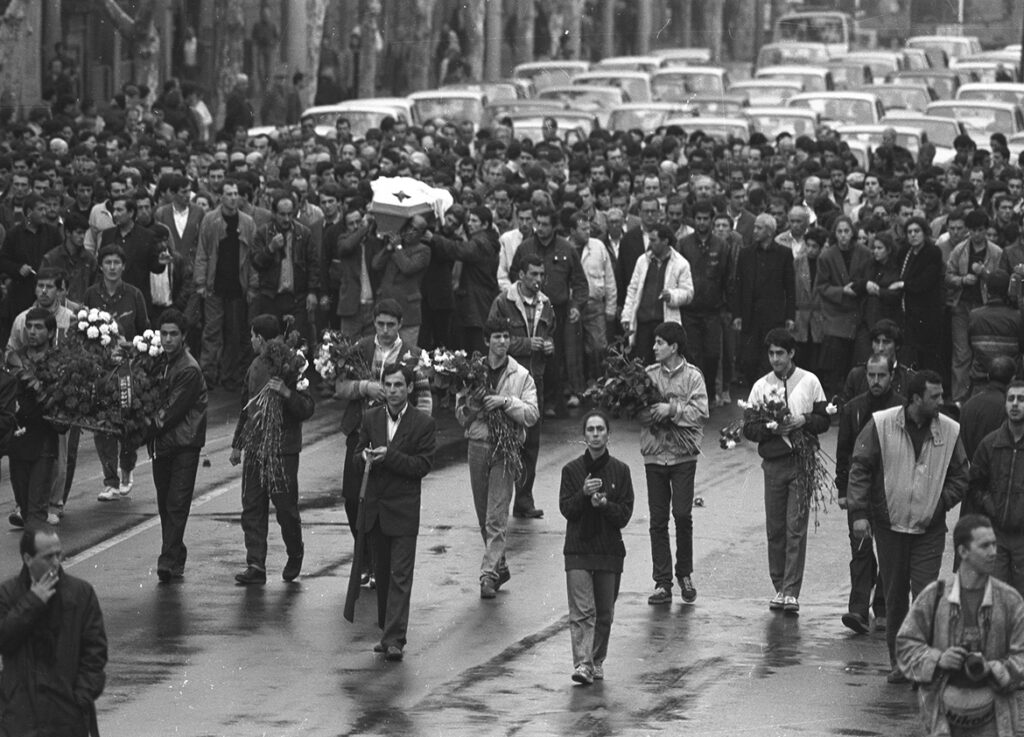
Photo: G. Tsagareli / 1989
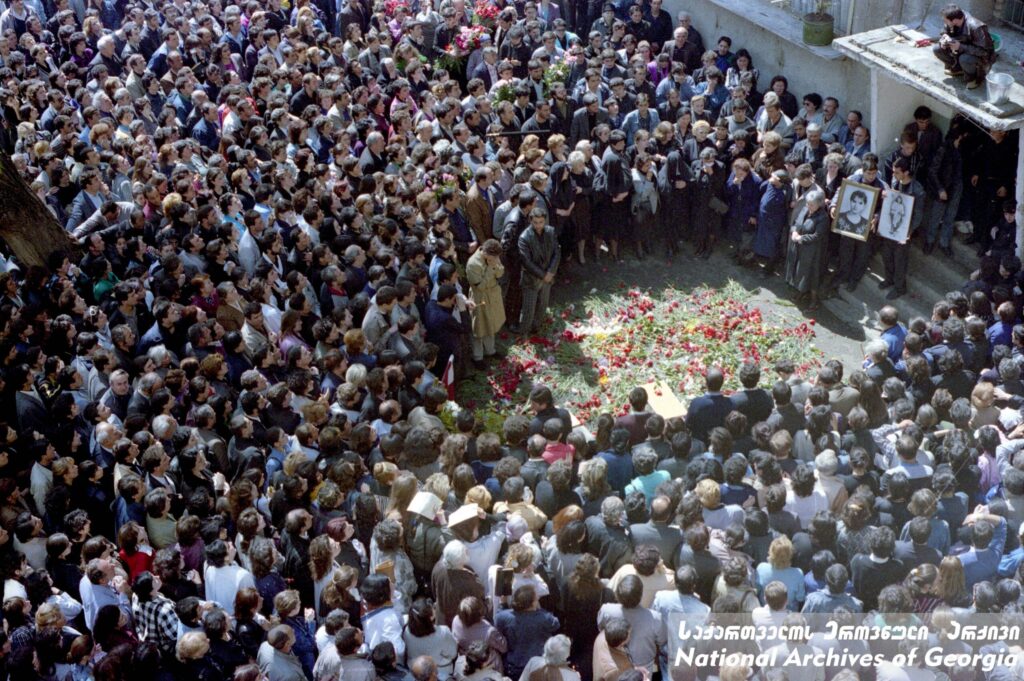
Photo: S. Aivazov / 1989
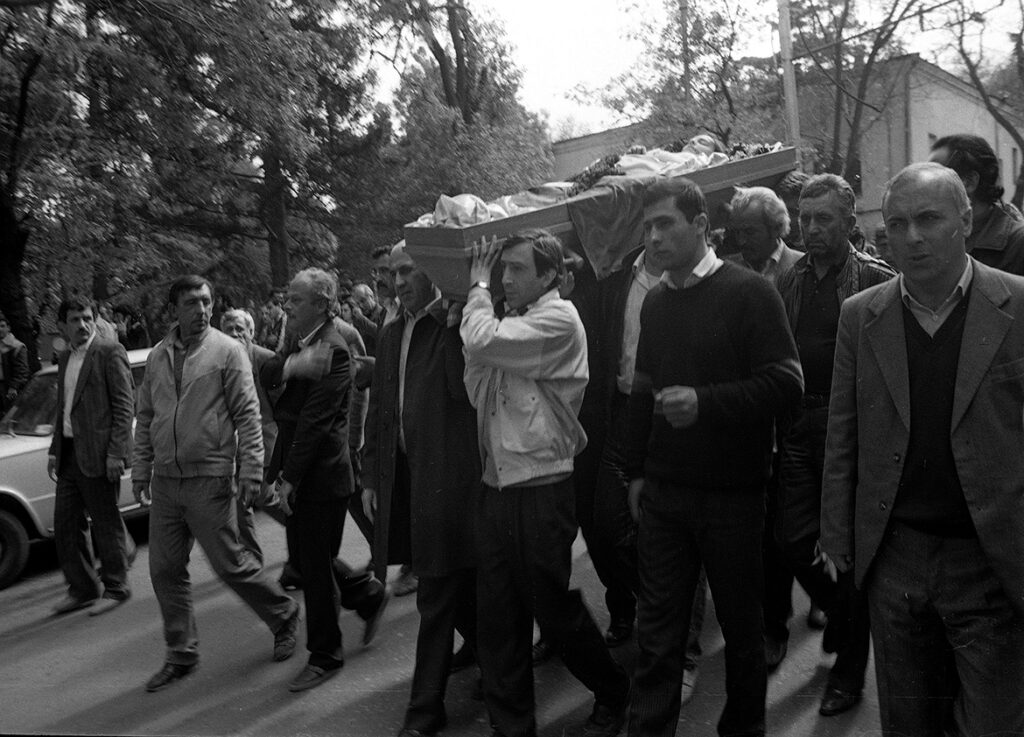
Photo: Y. Mechitov / 1989
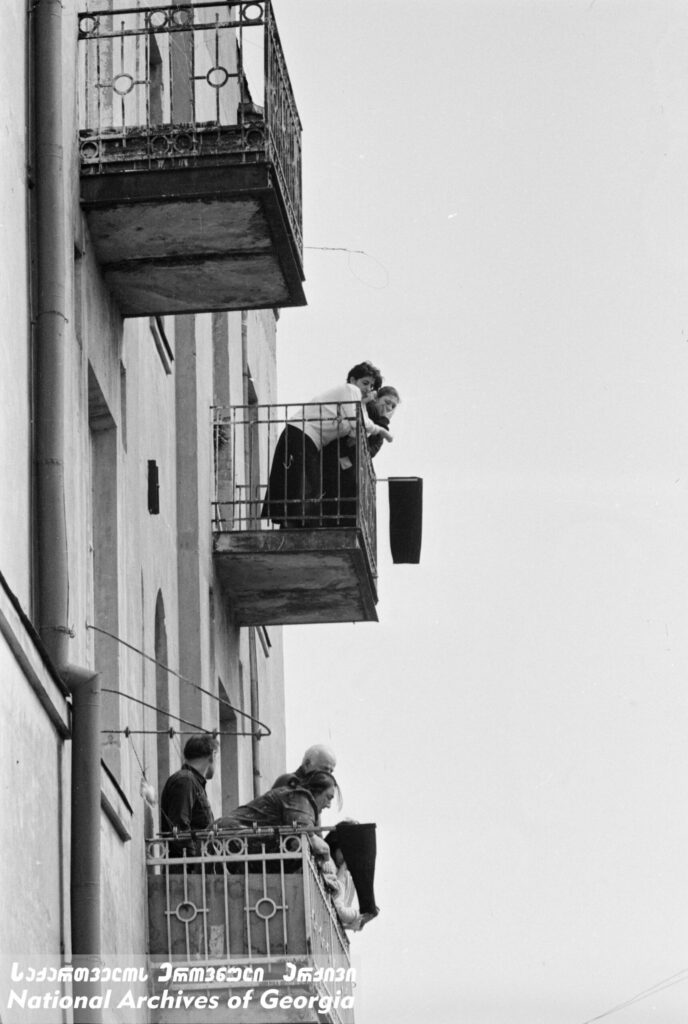
Photo: S. Aivazov / 1989
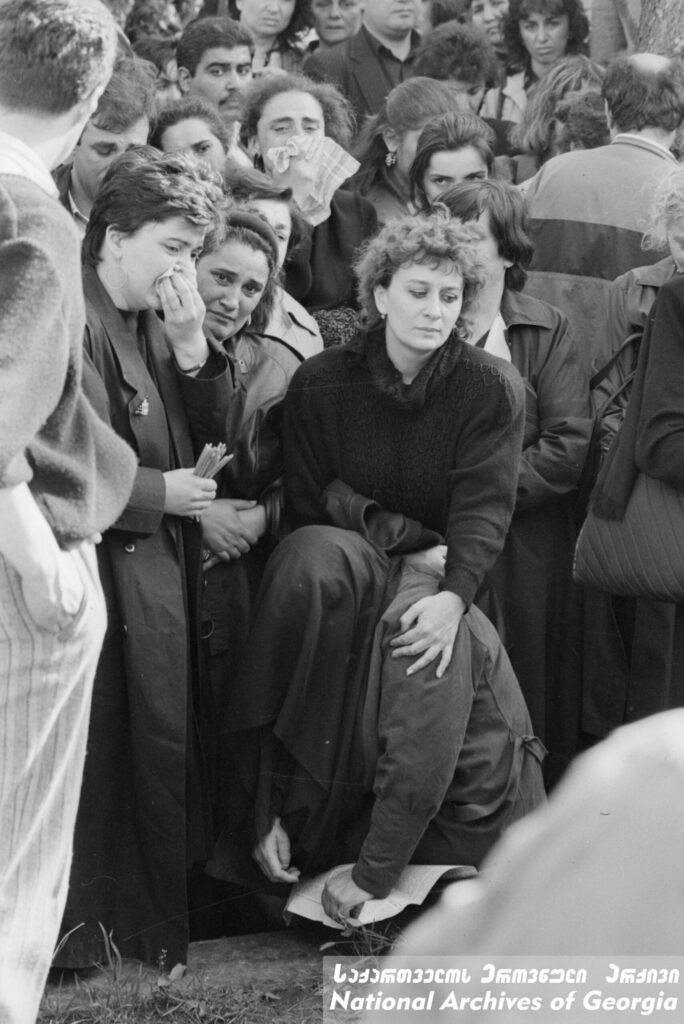
Photo: S. Aivazov / 1989
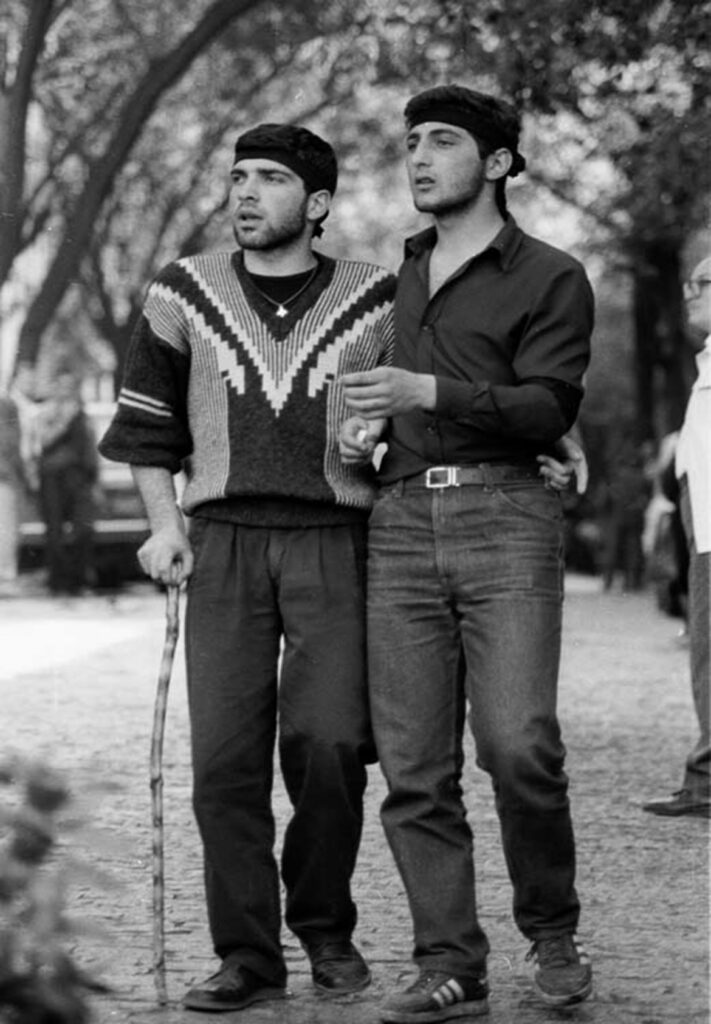
Photo: Y. Mechitov / 1989
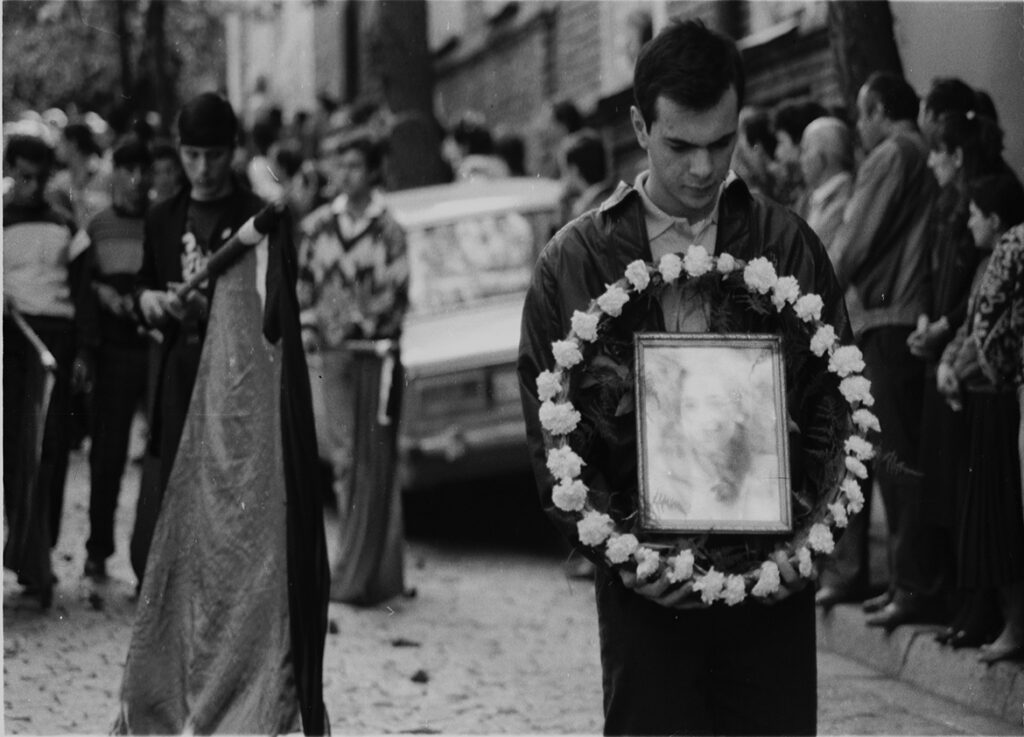
Photo: Y. Mechitov / 1989
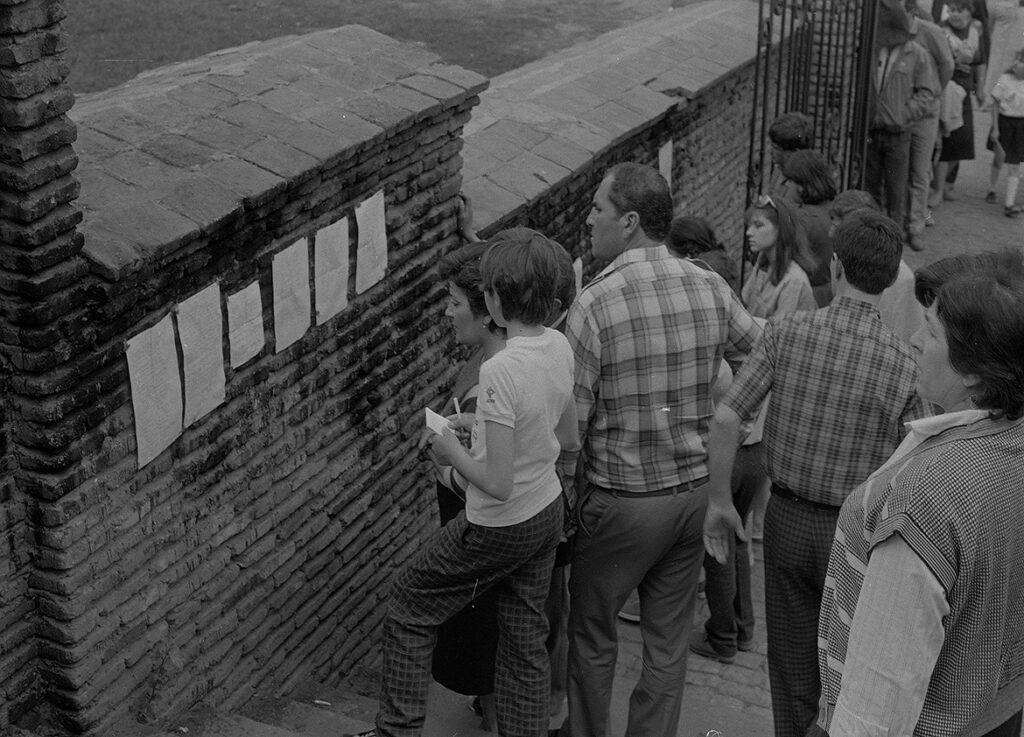
Photo: Y. Mechitov / 1989
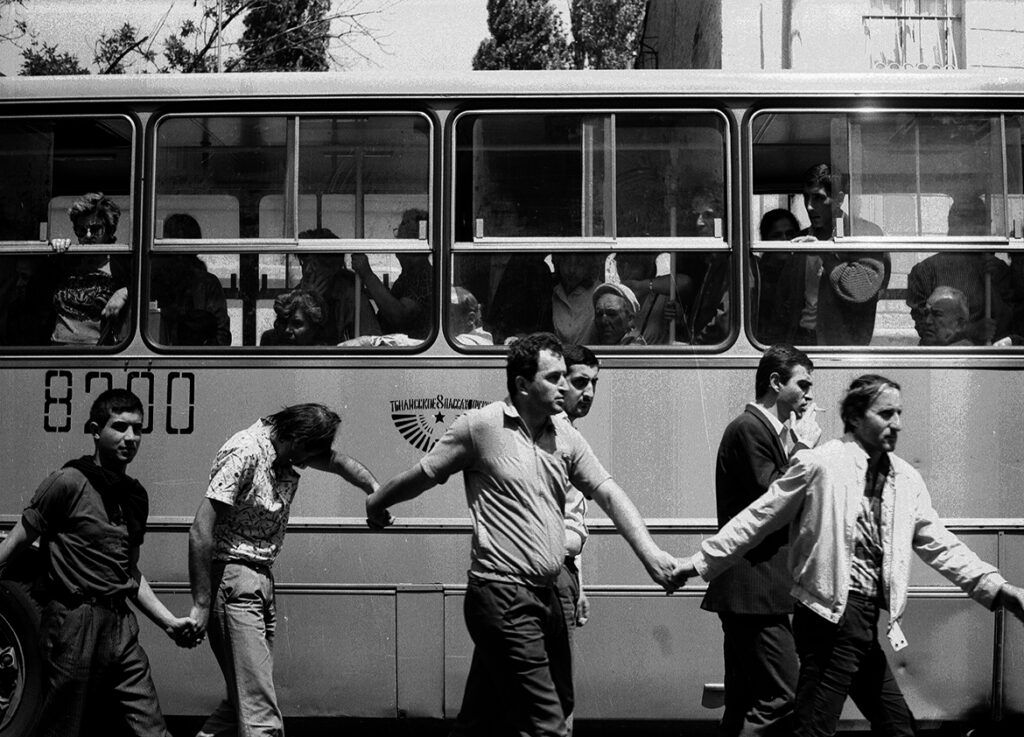
Photo: Y. Mechitovi / 1989
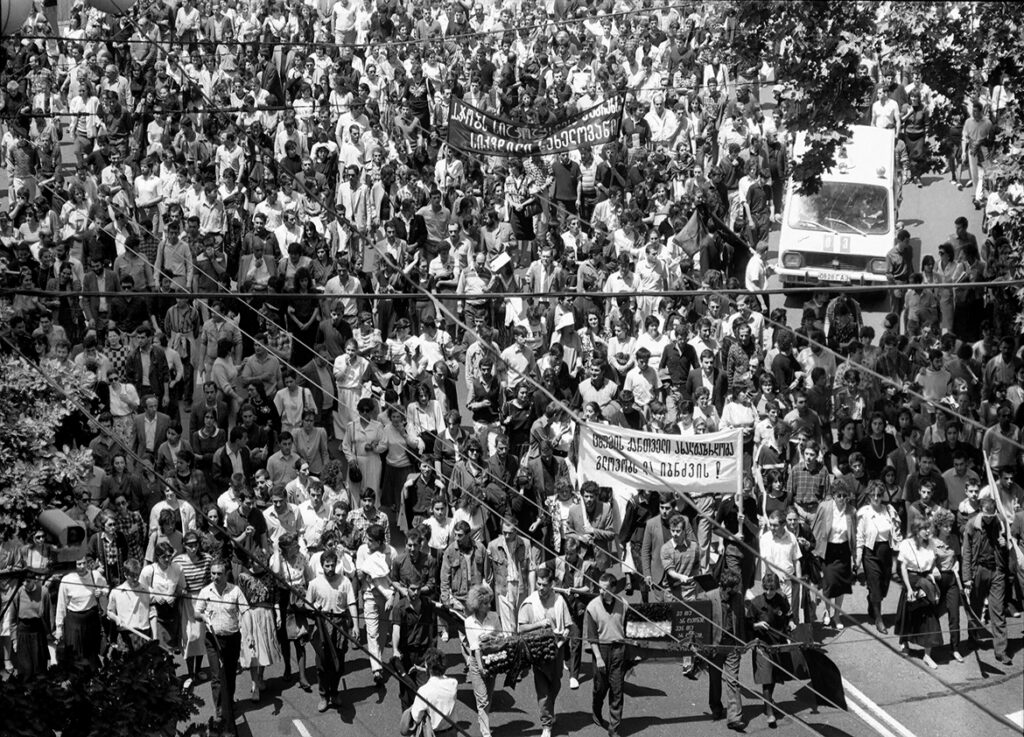
Photo: Y. Mechitov / 1989
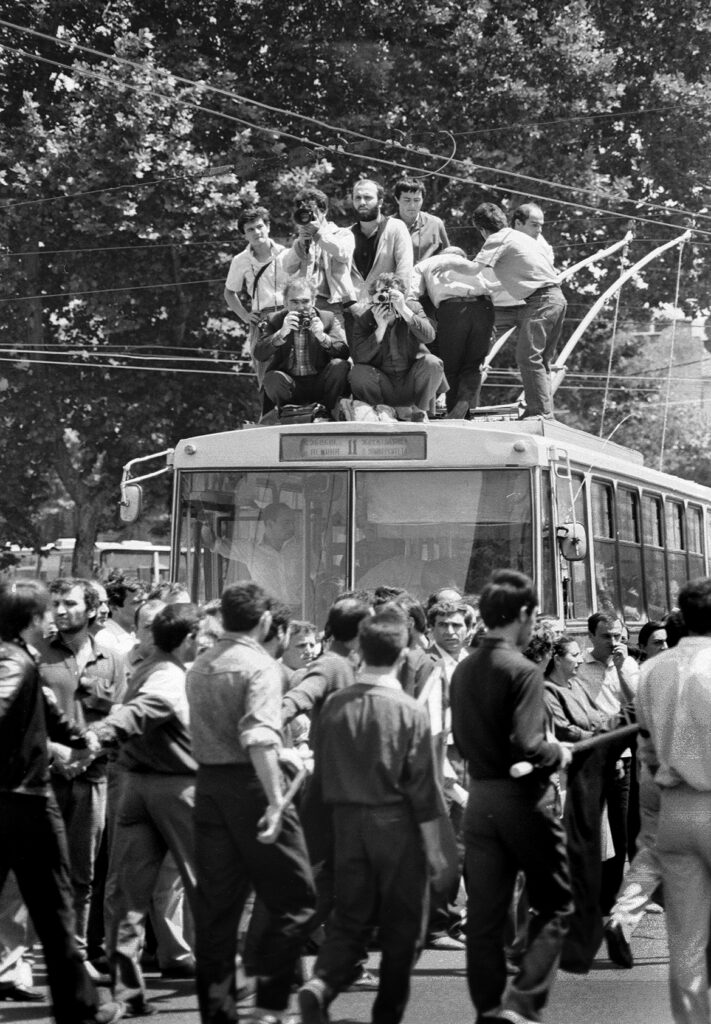
Photo: Y. Mechitov / 1989
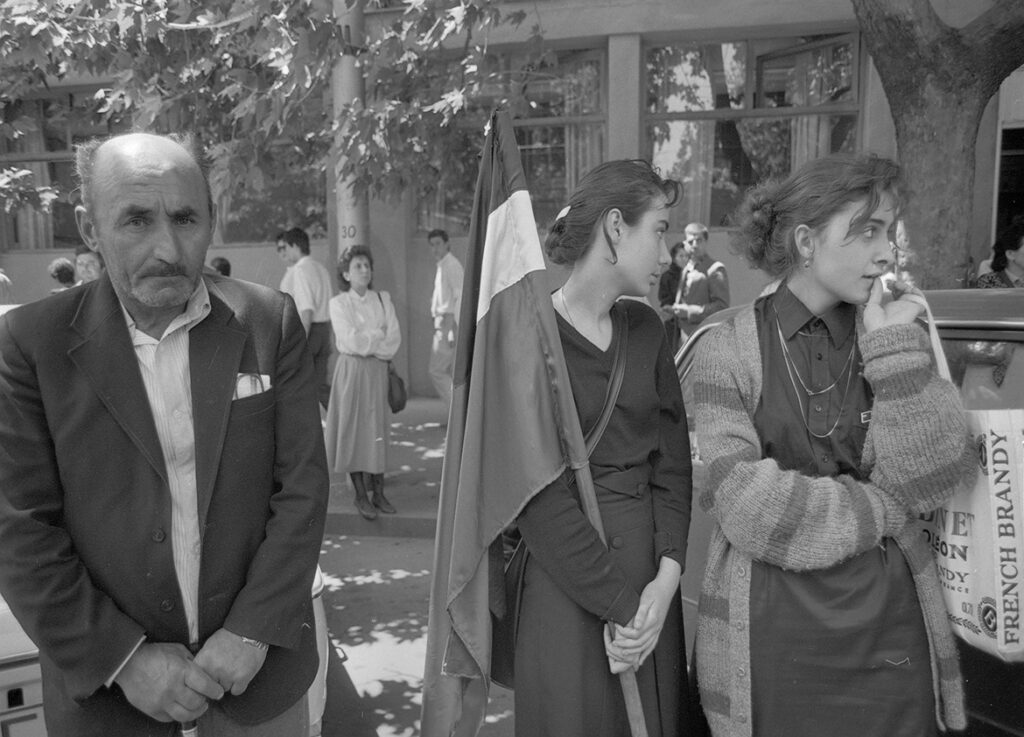
Photo: Y. Mechitov / 1989
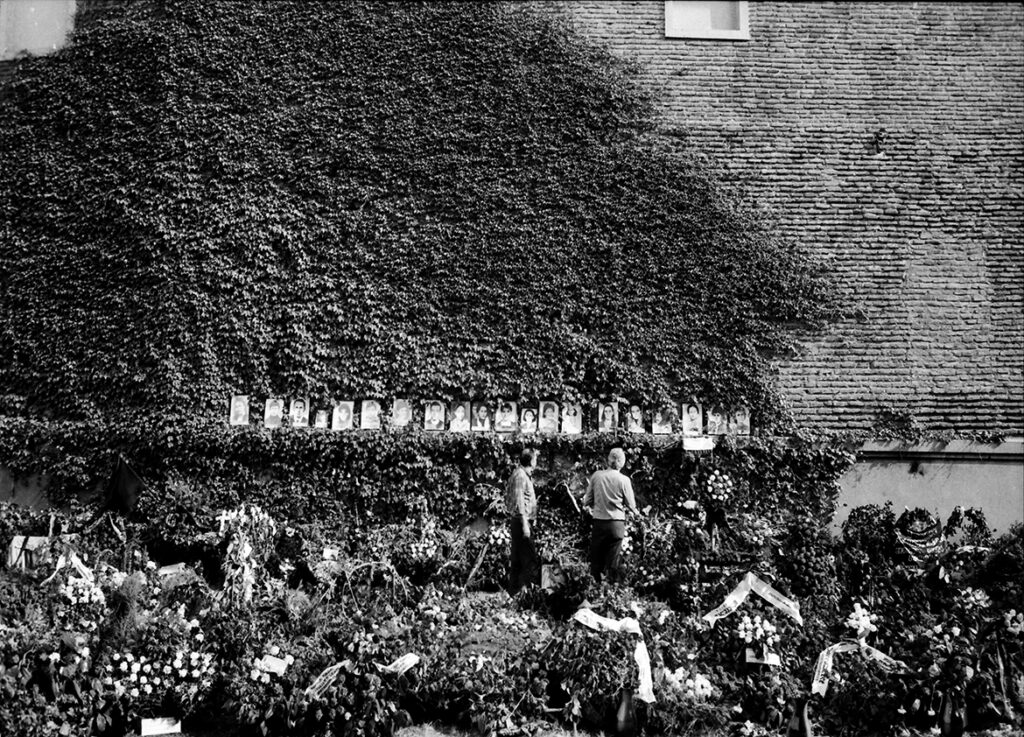
Photo: G. Tsibakhashvili / 1989
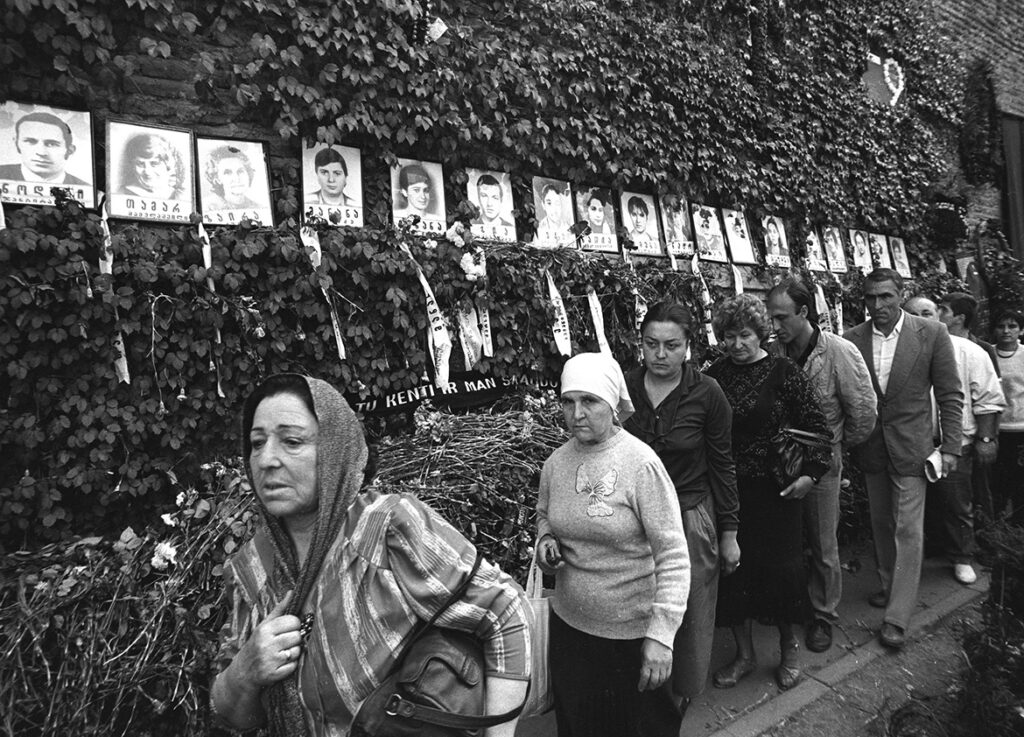
Photo: G. Tsagareli / 1989
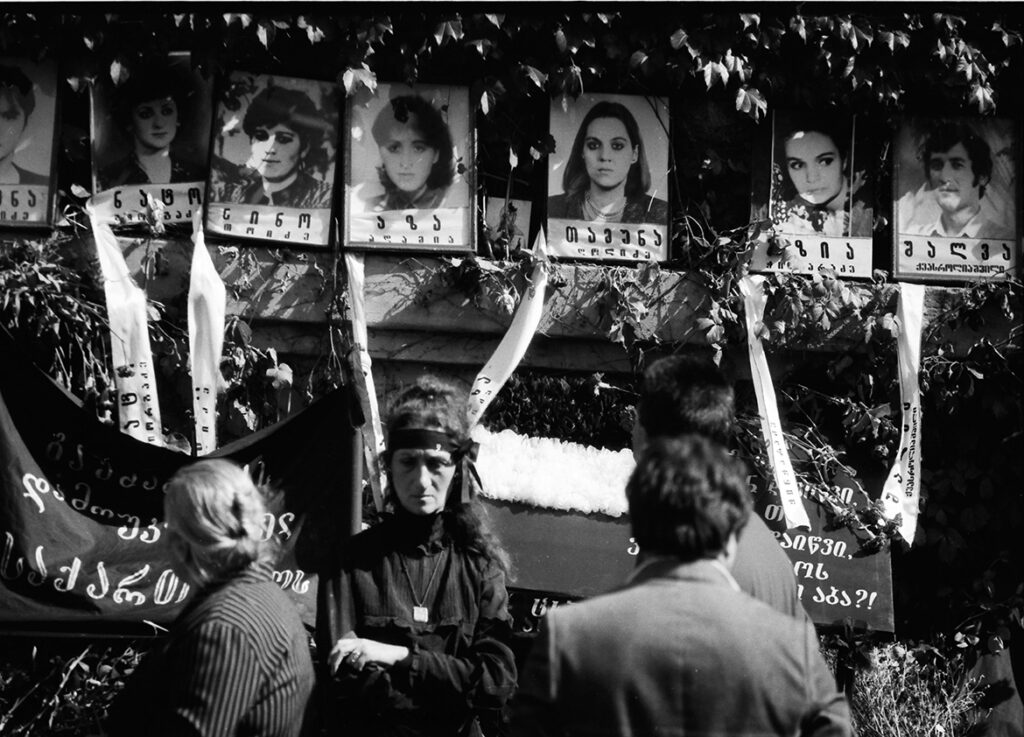
Photo: G. Tsibakhashvili / 1989
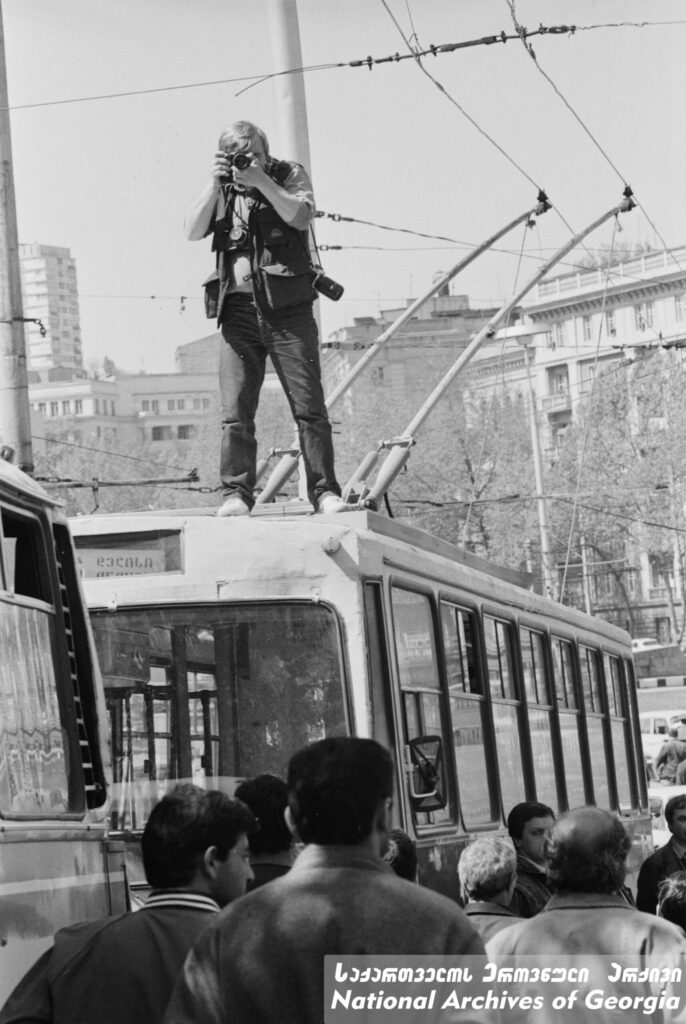
Photo: S. Aivazov / 1989
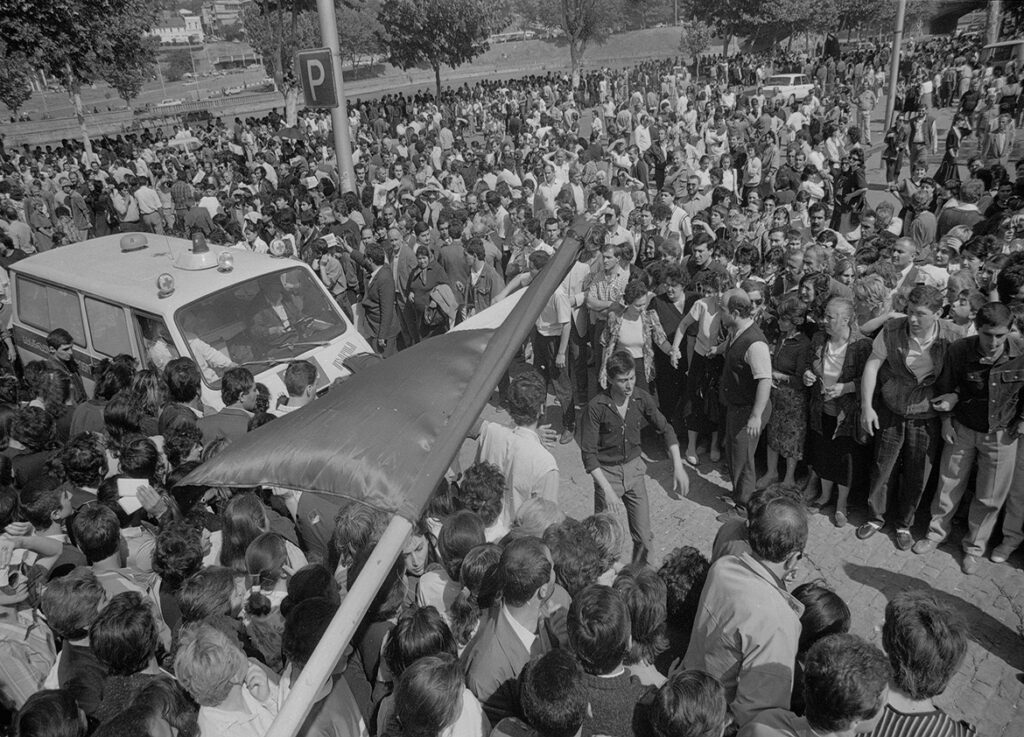
Photo: Y. Mechitov / 1989
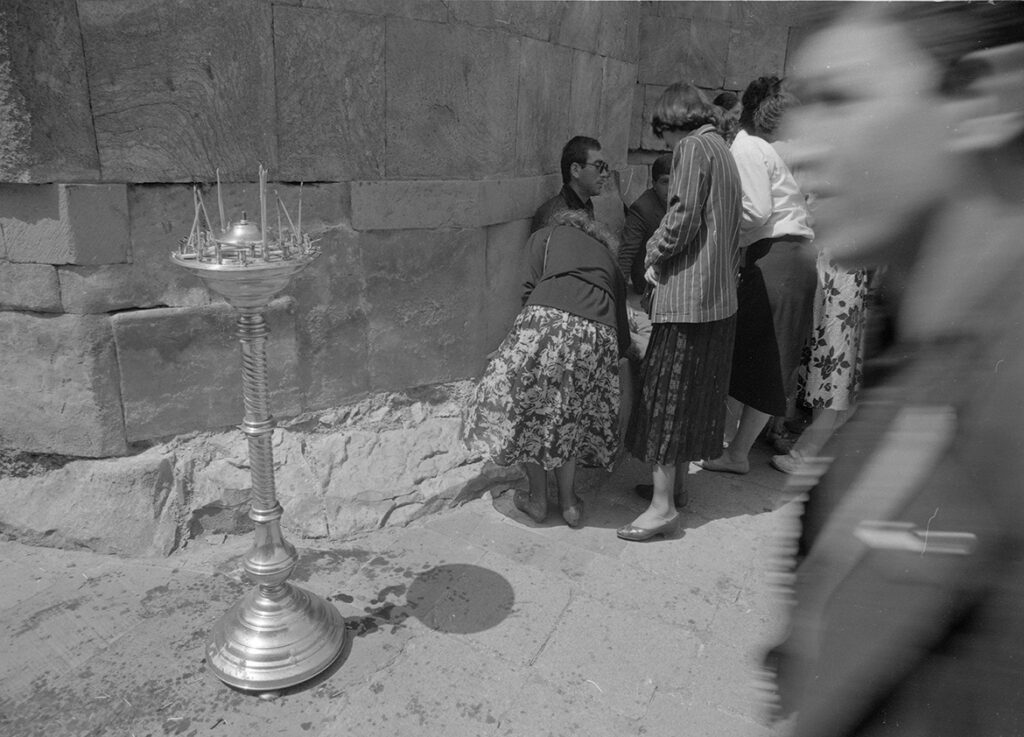
Photo: Y. Mechitov / 1989
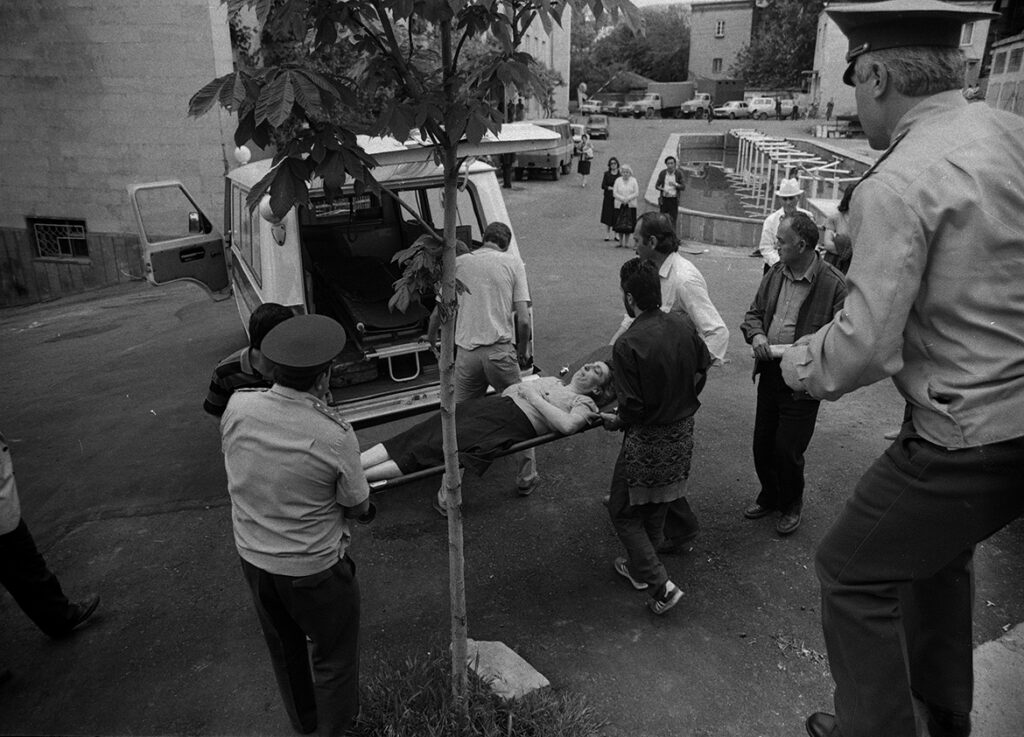
Photo: Y. Mechitov / 1989
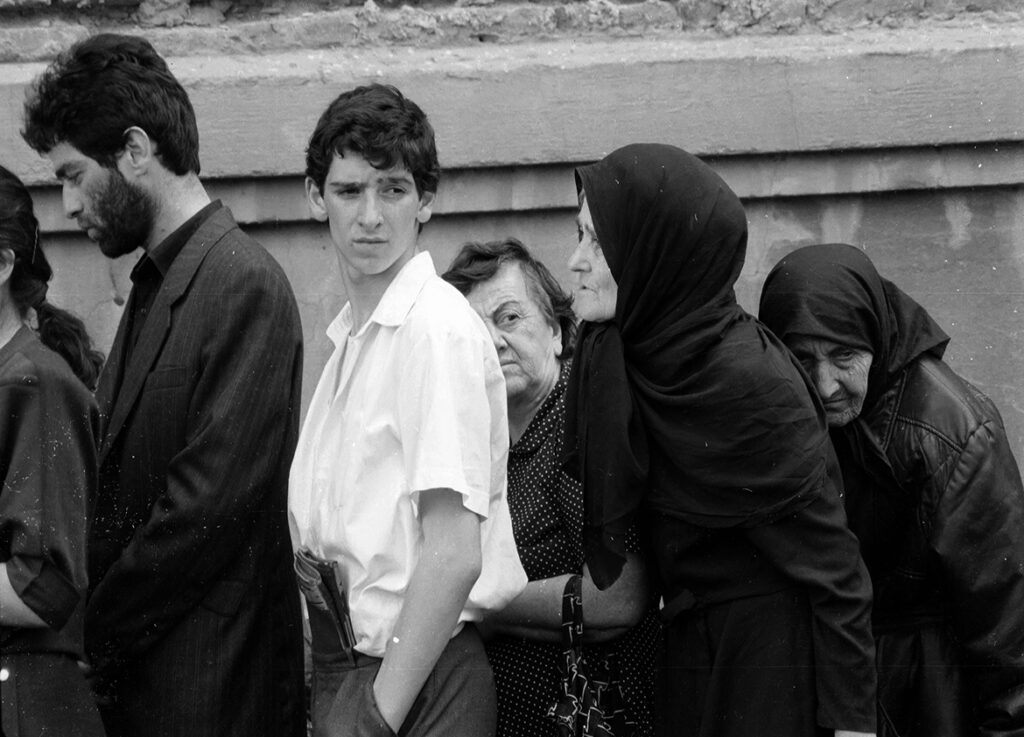
Photo: Y. Mechitov / 1989
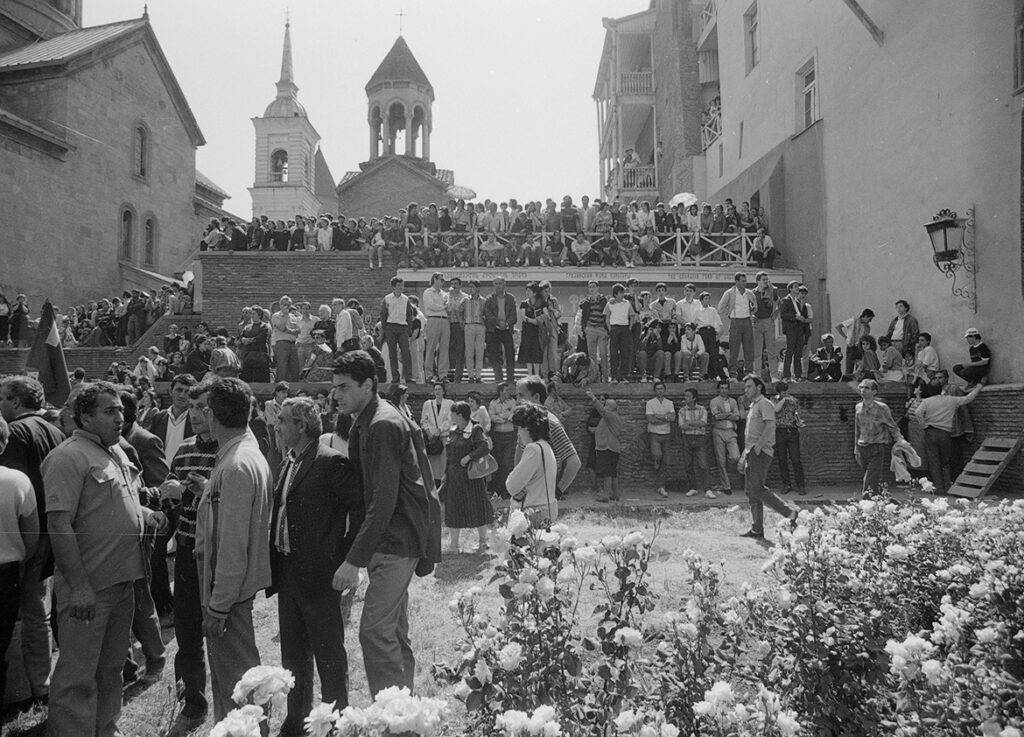
Photo: Y. Mechitov / 1989
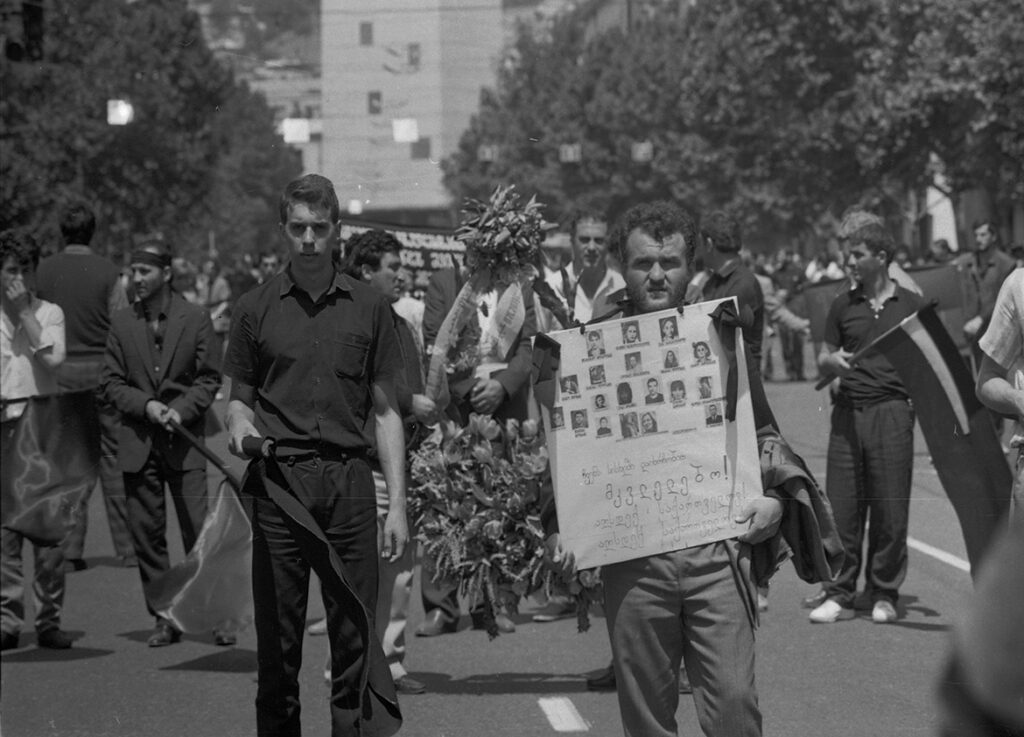
Photo: Y. Mechitov / 1989
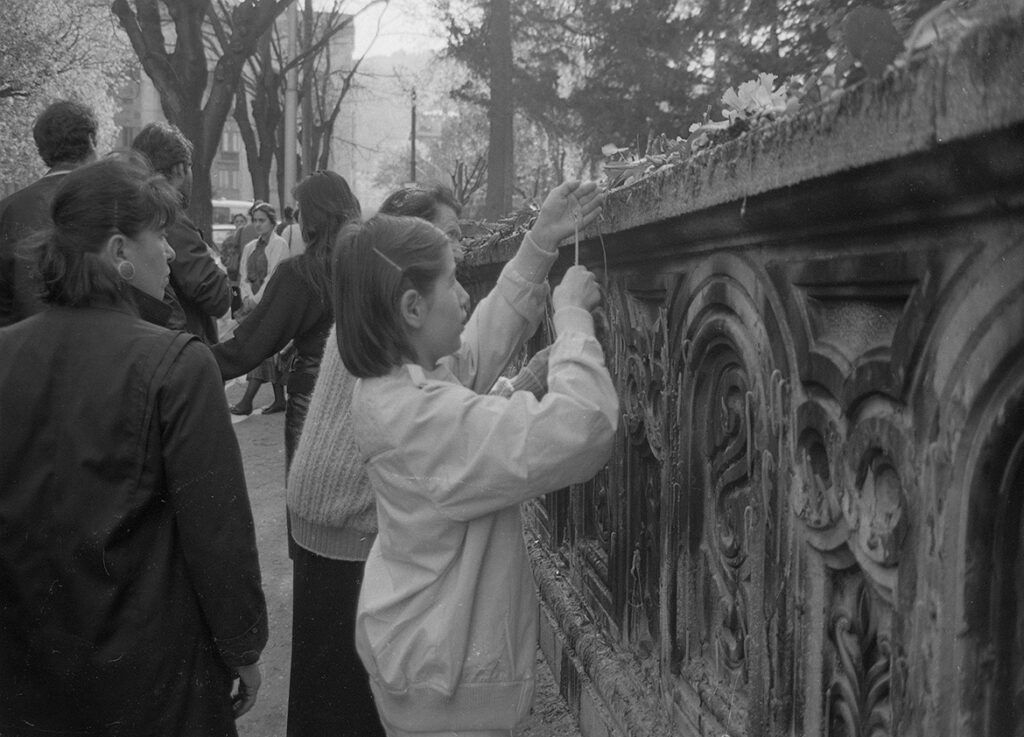
Photo: Y. Mechitov / 1989
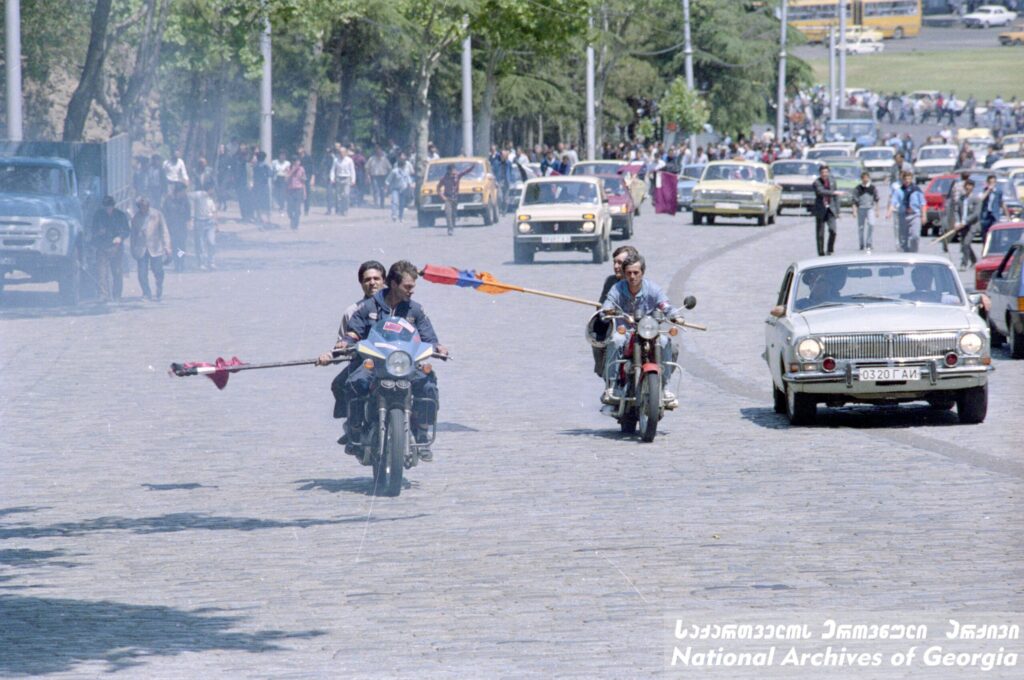
Photo: M. Datikashvili / 1989
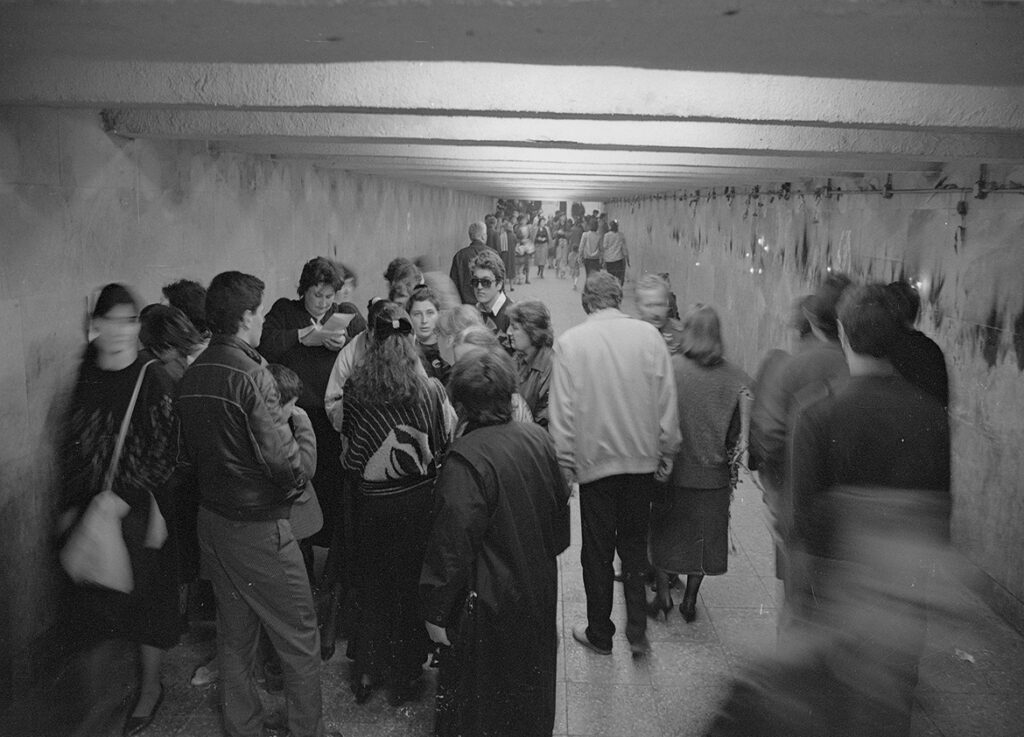
Photo: Y. Mechitov / 1989
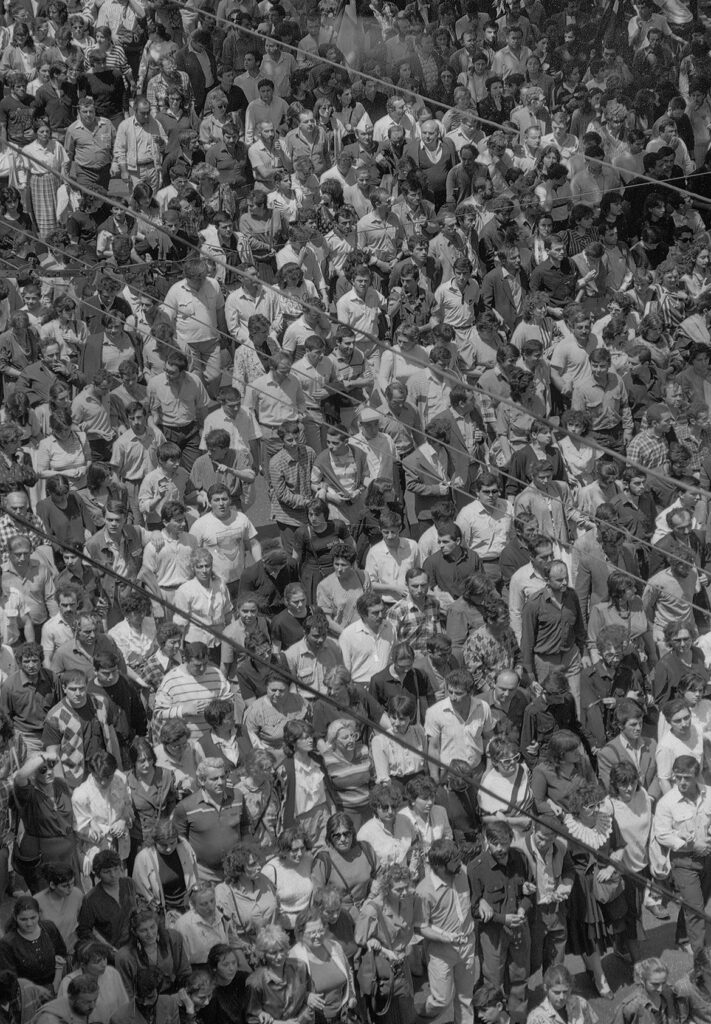
Photo: Y. Mechitov / 1989
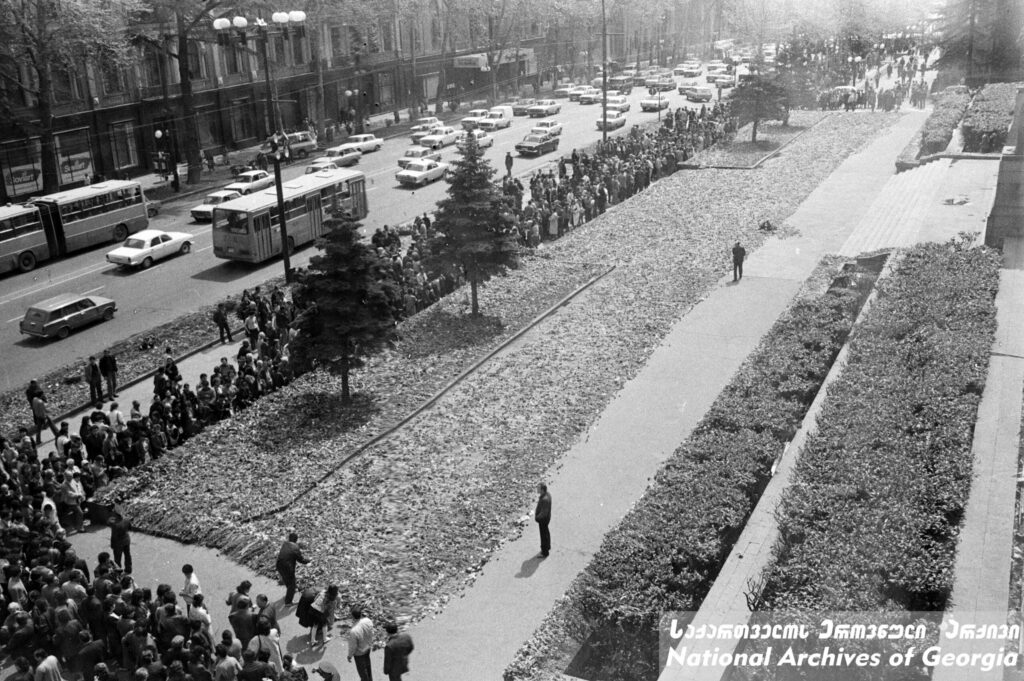
Photo: V. Shlamov / 1989
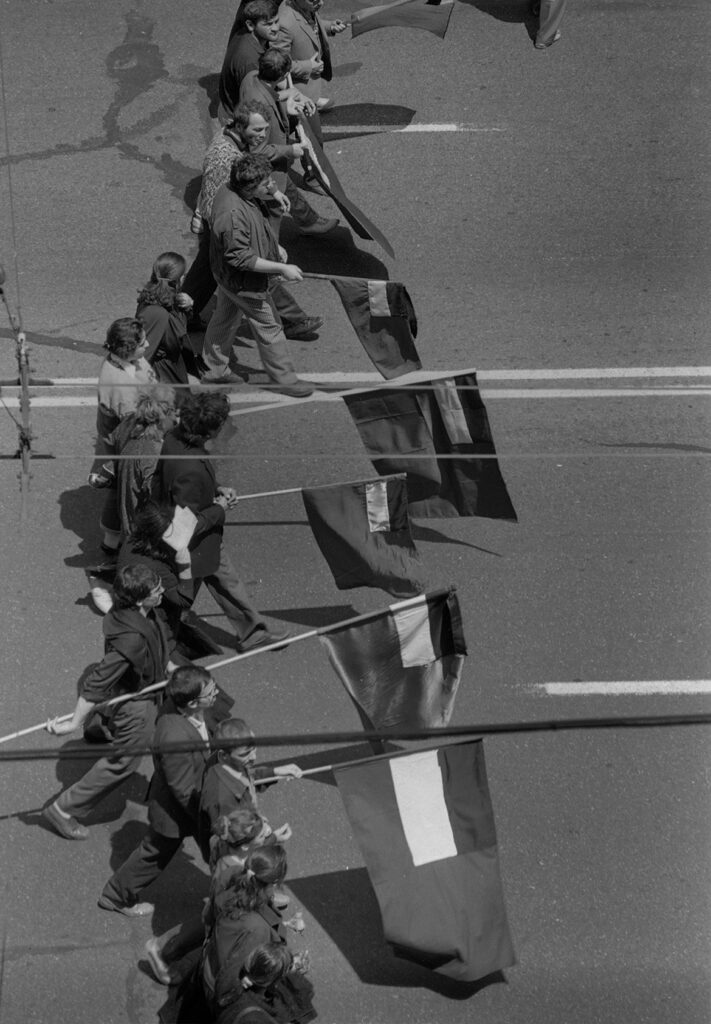
Photo: Y. Mechitov / 1989
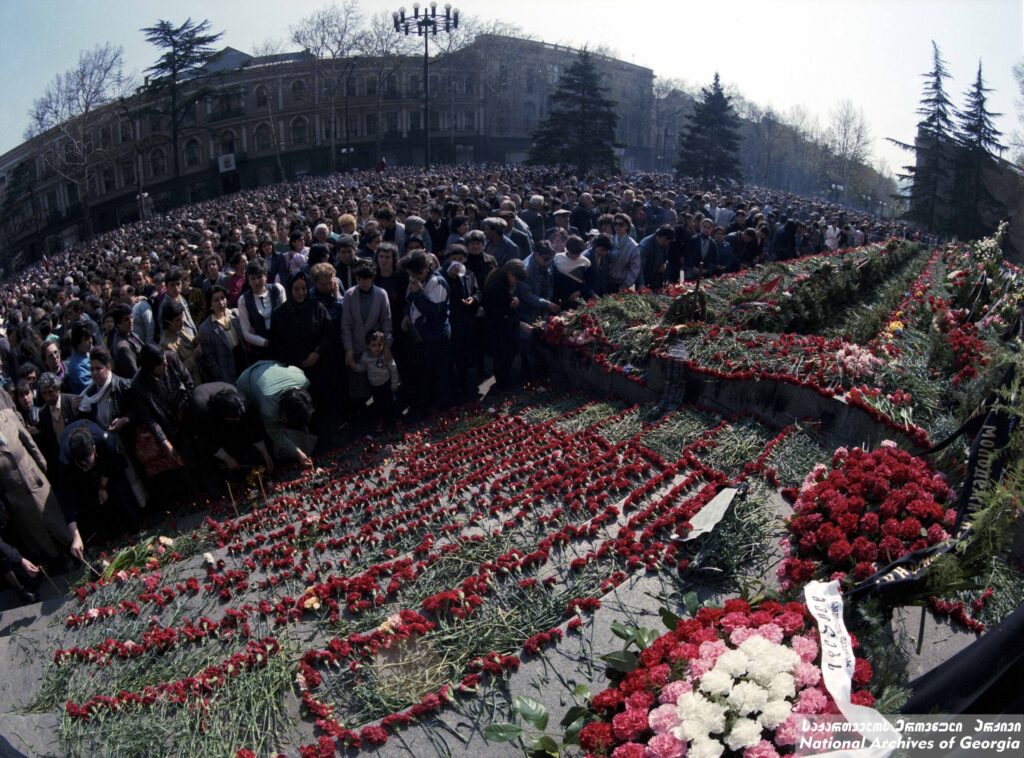
Photo: S. Edisherashvili / 1989
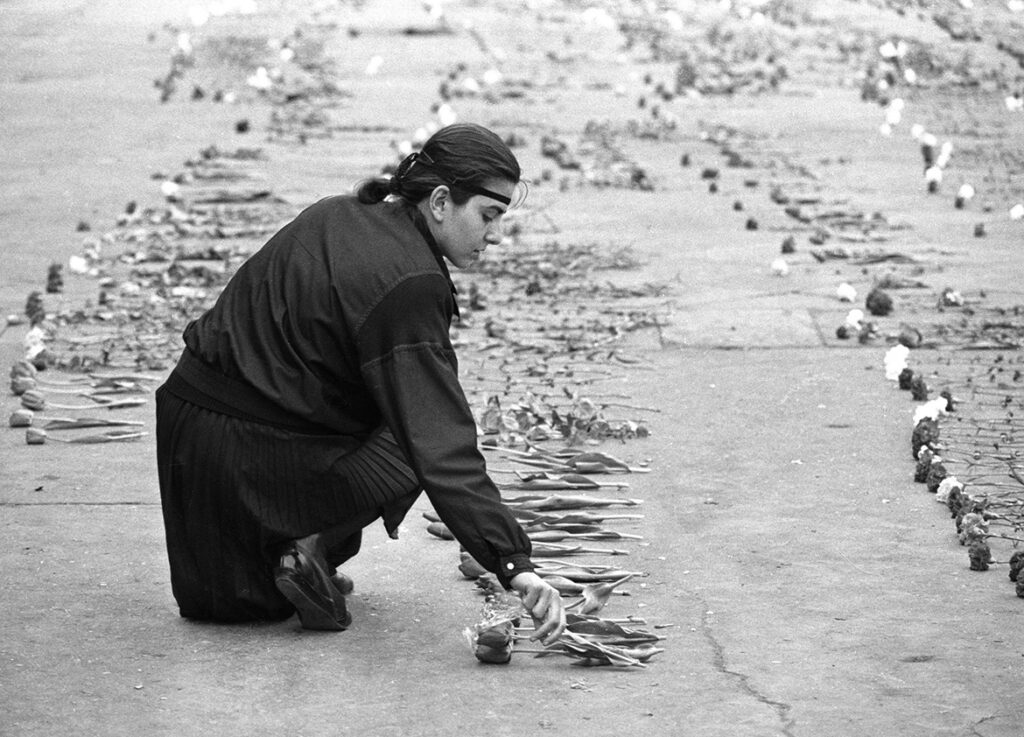
Photo: G. Tsagareli / 1989
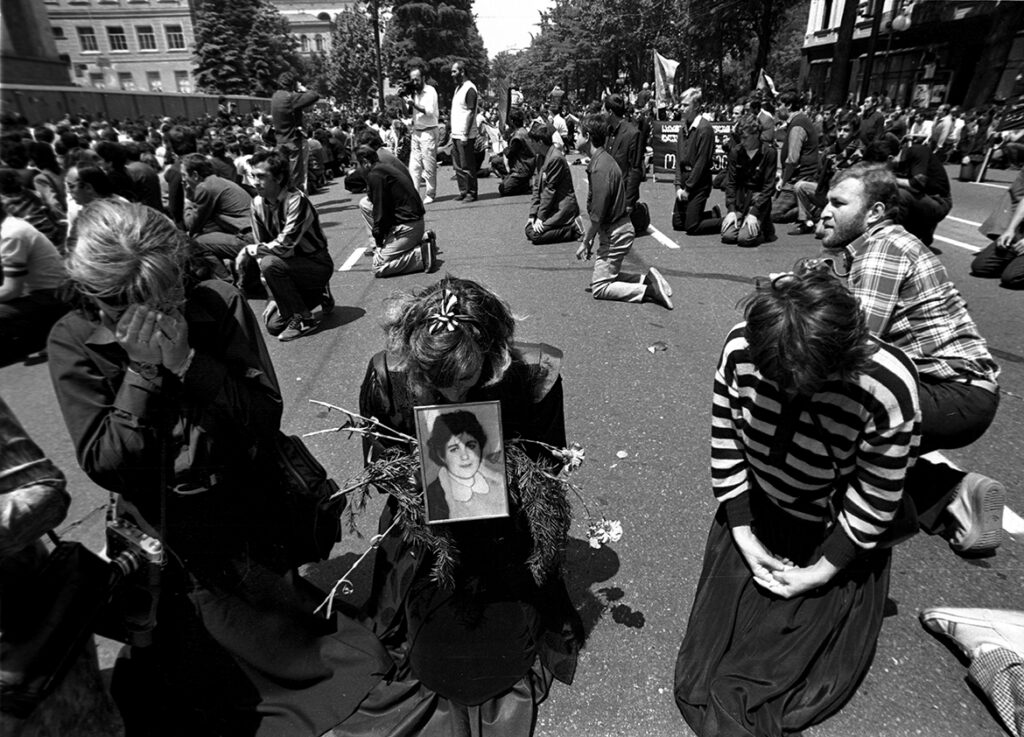
Photo: G. Tsagareli / 1989
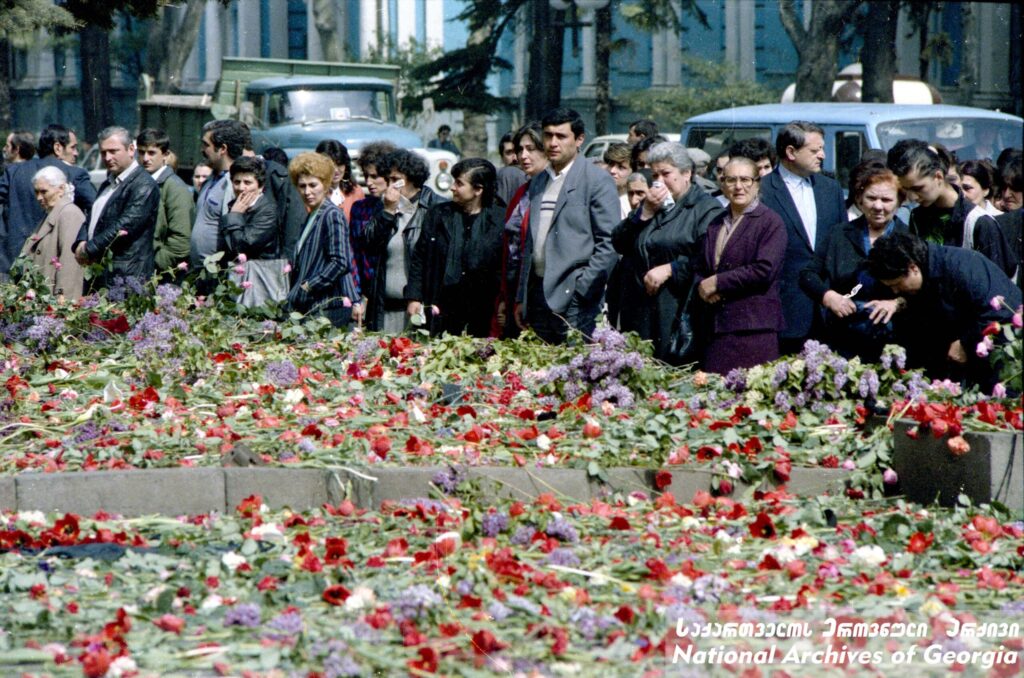
Photo: S. Edisherashvili / 1989
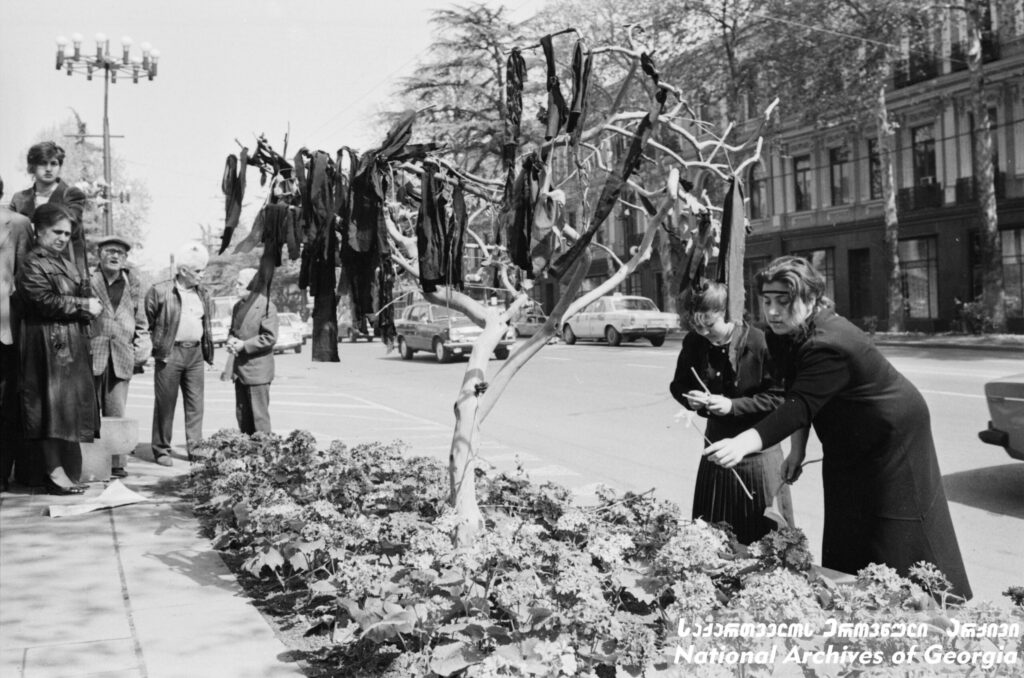
Photo: G. Kikvadze / 1989
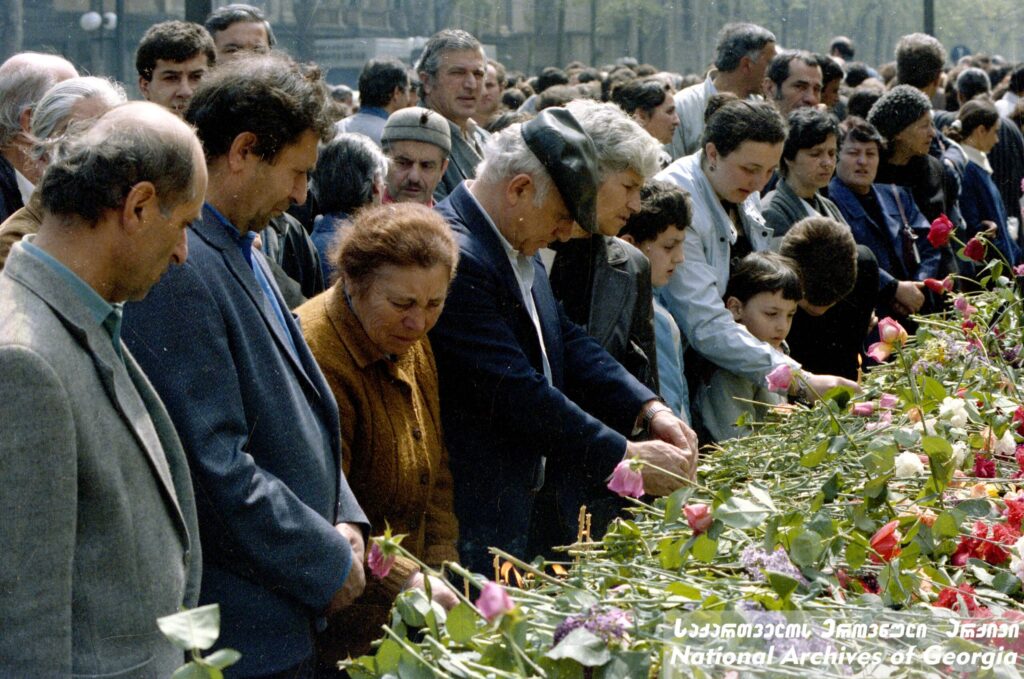
Photo: S. Edisherashvili / 1989
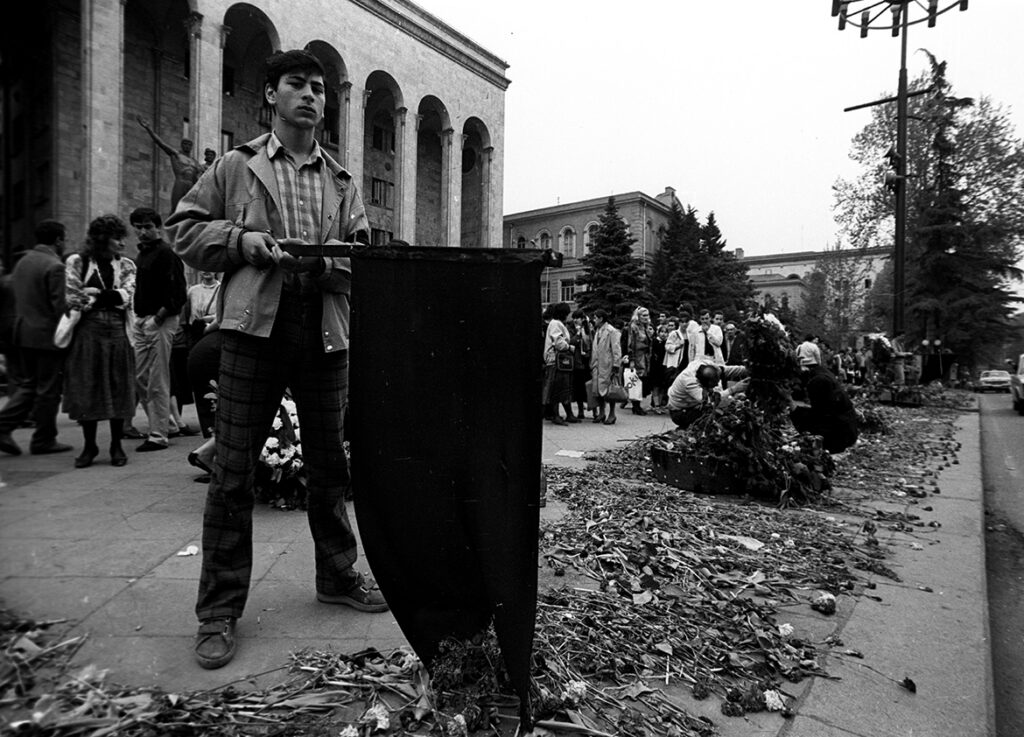
Photo: G. Tsagareli / 1989
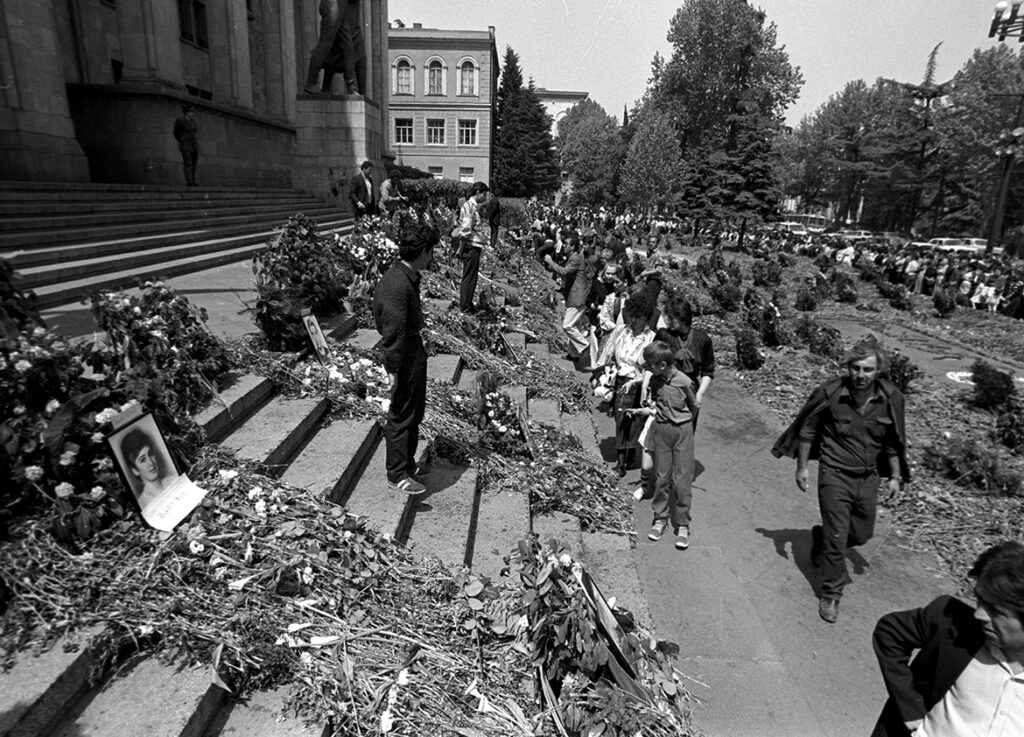
Photo: G. Tsagareli / 1989
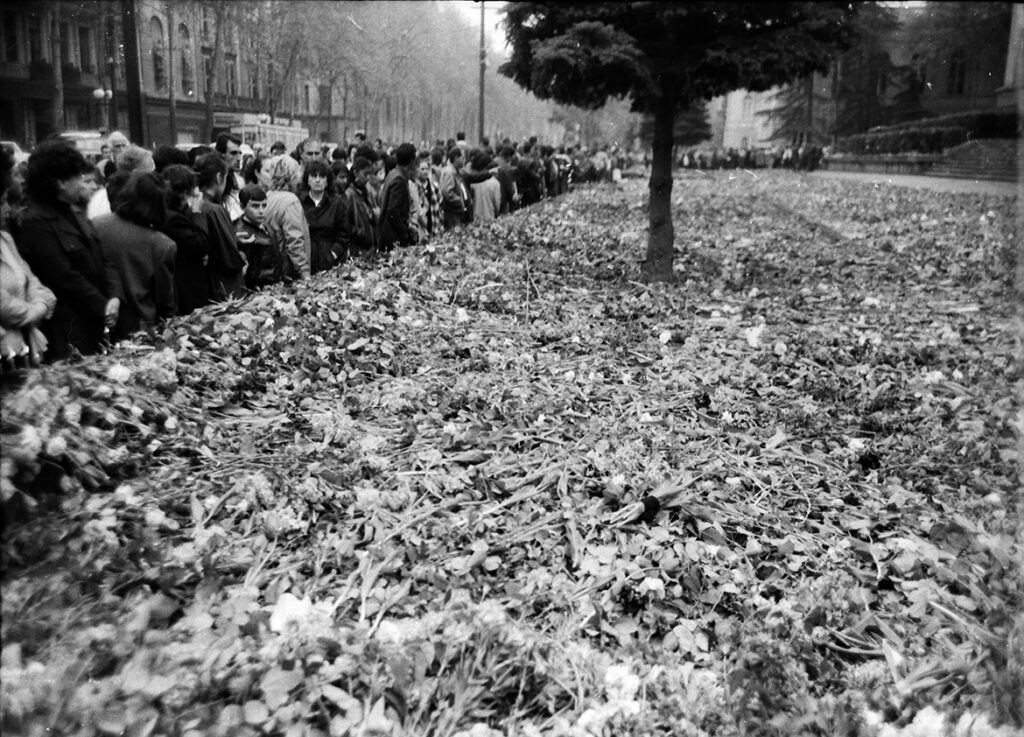
Photo: G. Tsibakhashvili / 1989
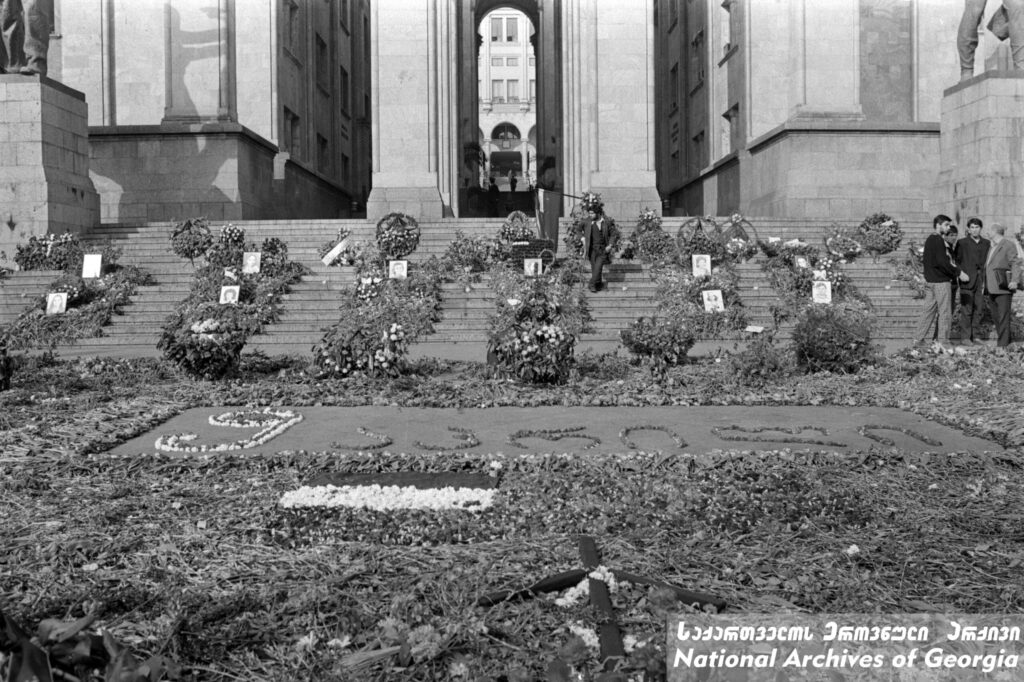
Photo: G. Kikvadze / 1989
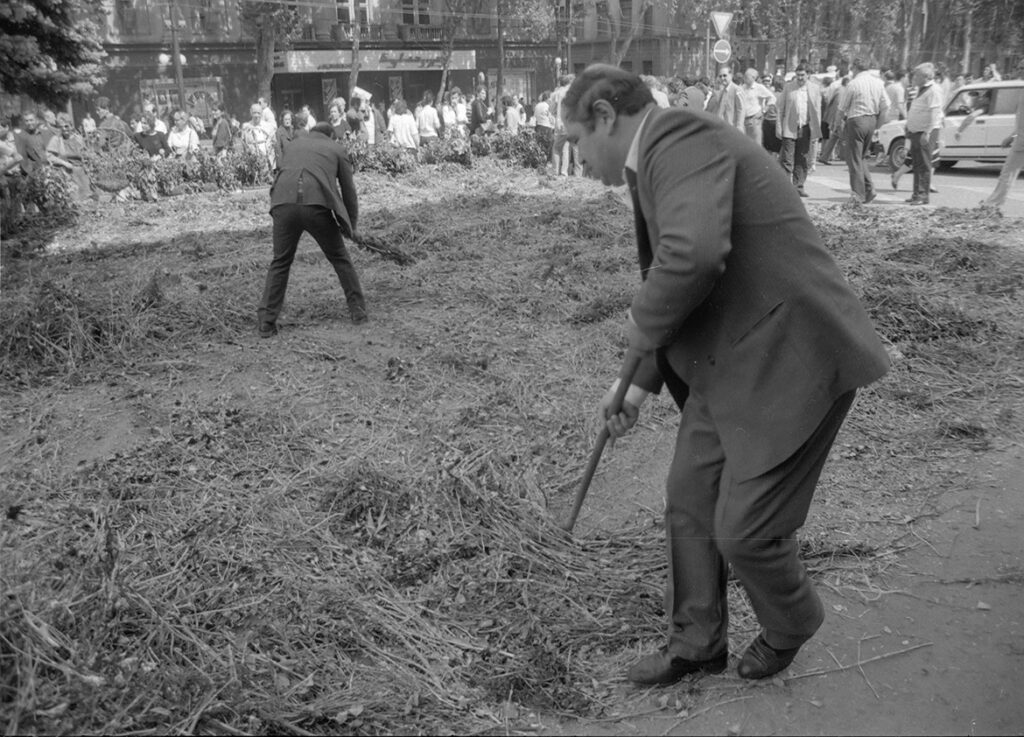
Photo: Y. Mechitov / 1989
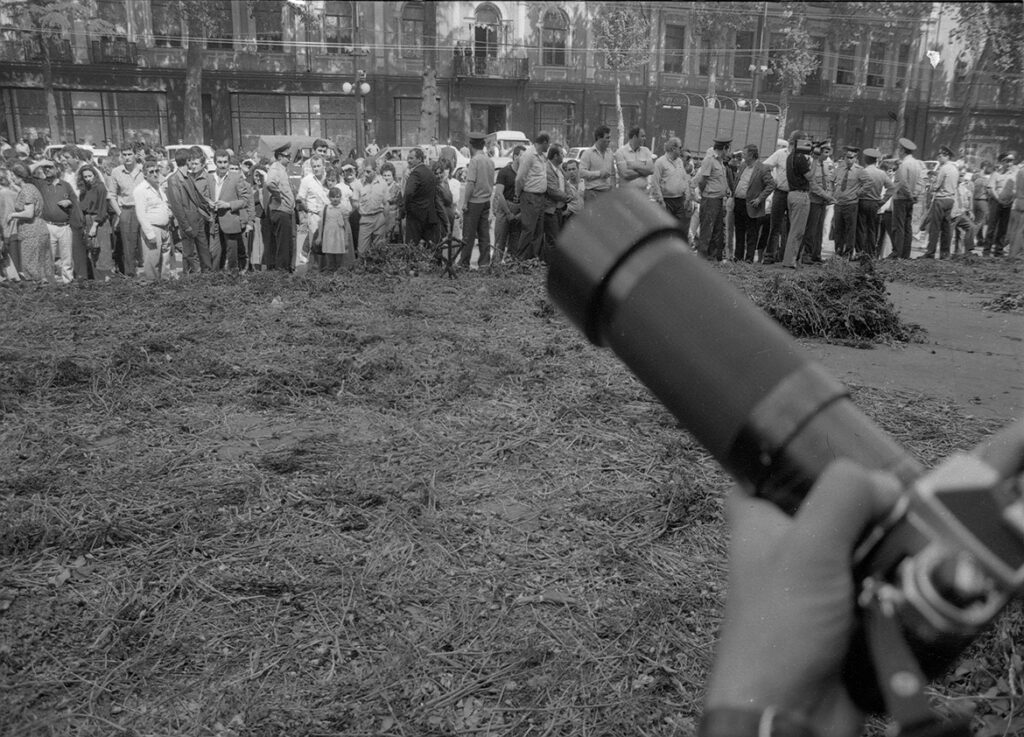
Photo: Y. Mechitov / 1989
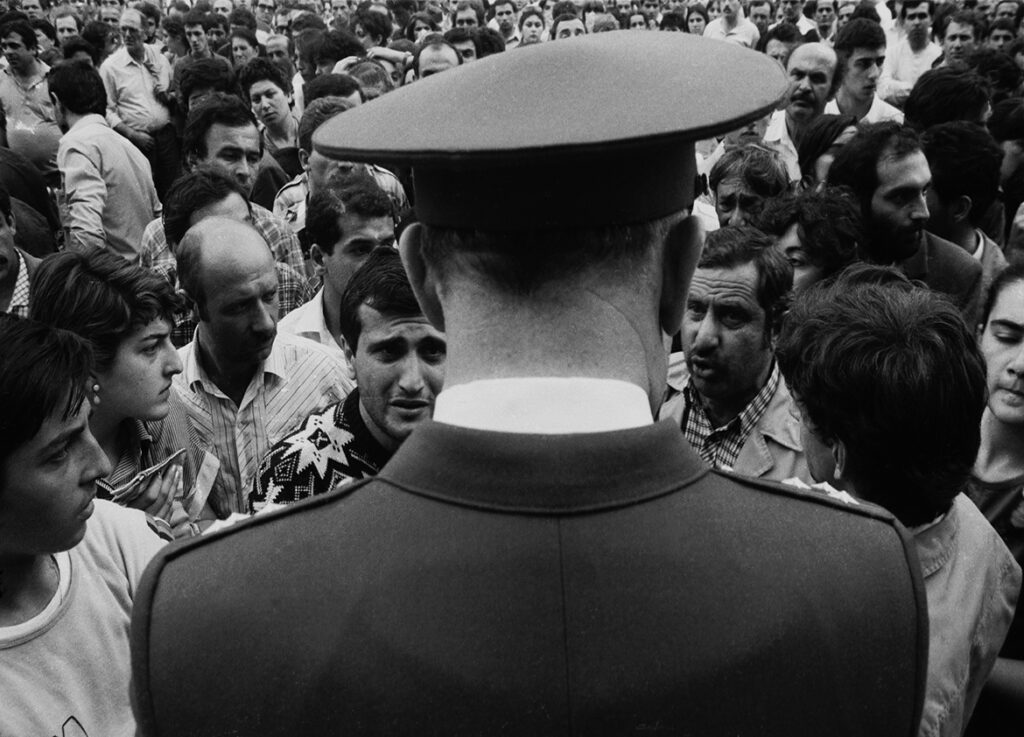
Photo: Y. Mechitov / 1989
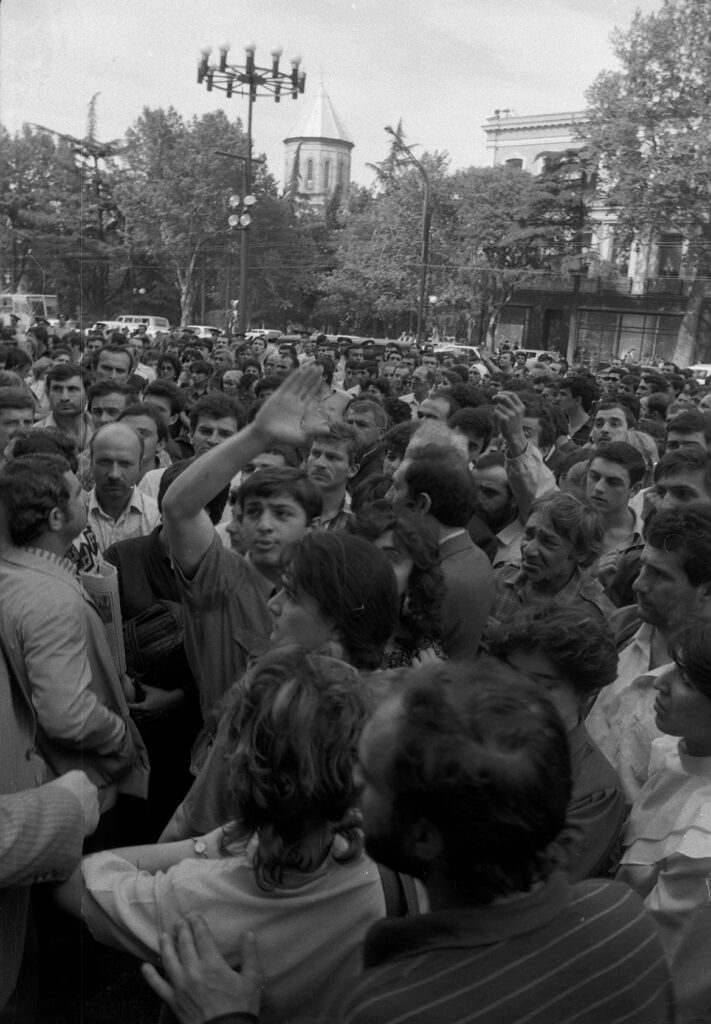
Photo: Y. Mechitov / 1989
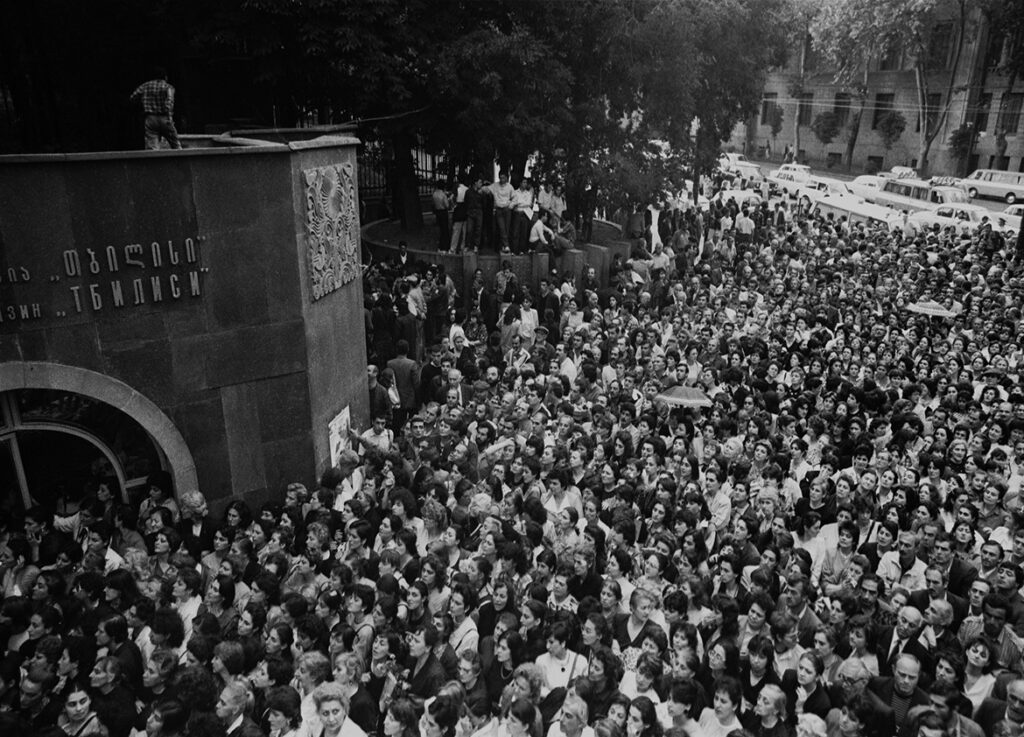
Photo: Y. Mechitov / 1989
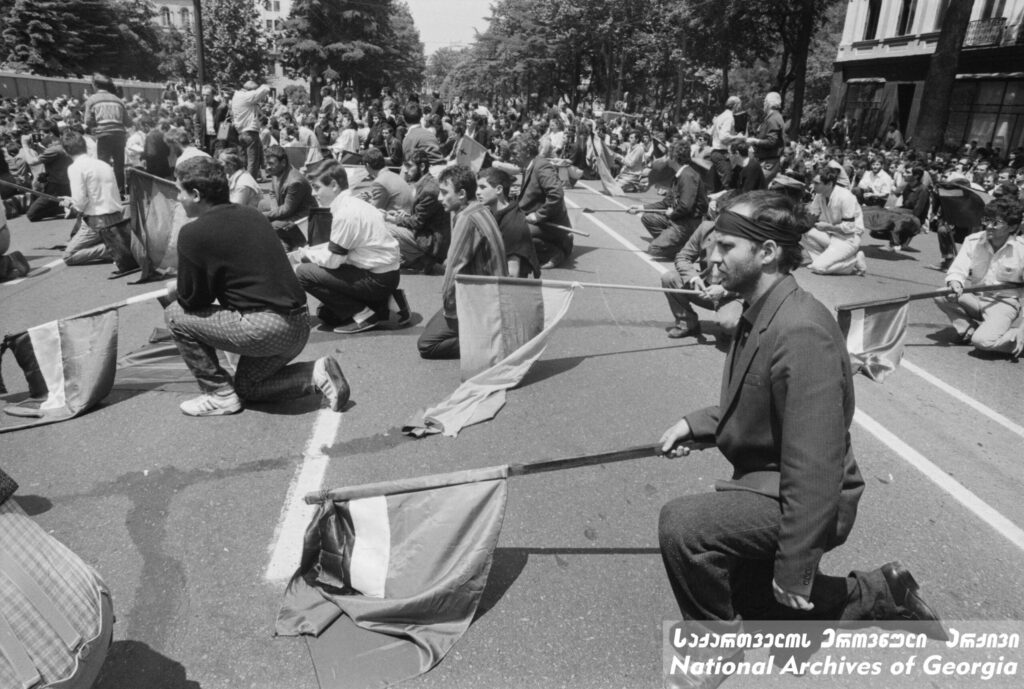
Photo: M. Datikashvili / 1989
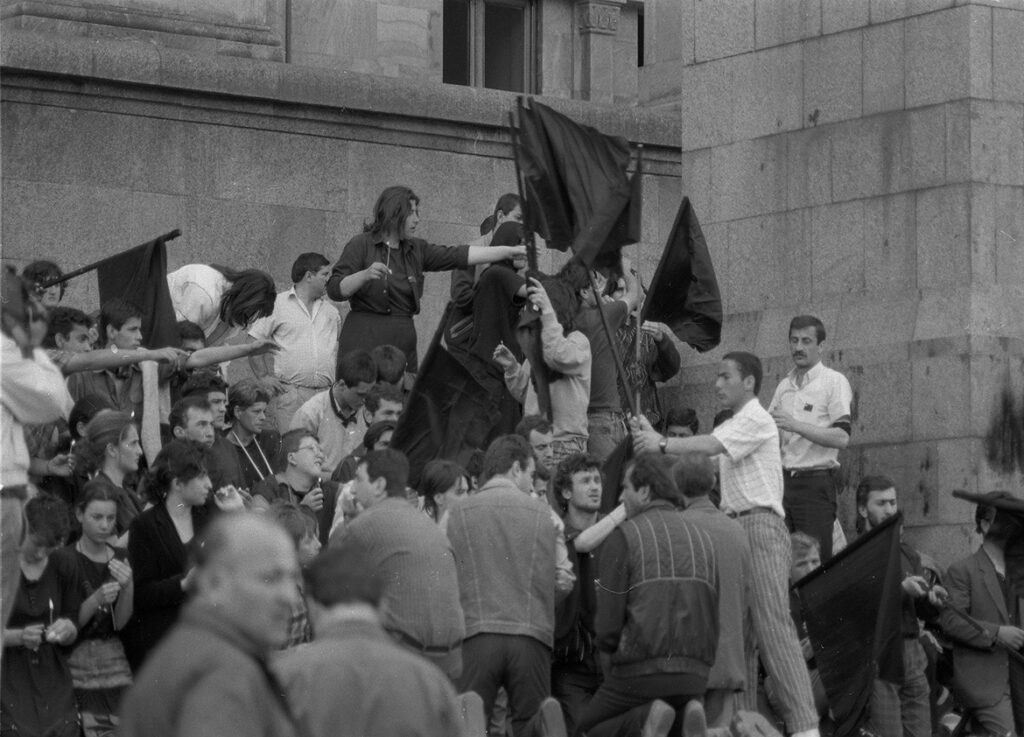
Photo: Y. Mechitov / 1989
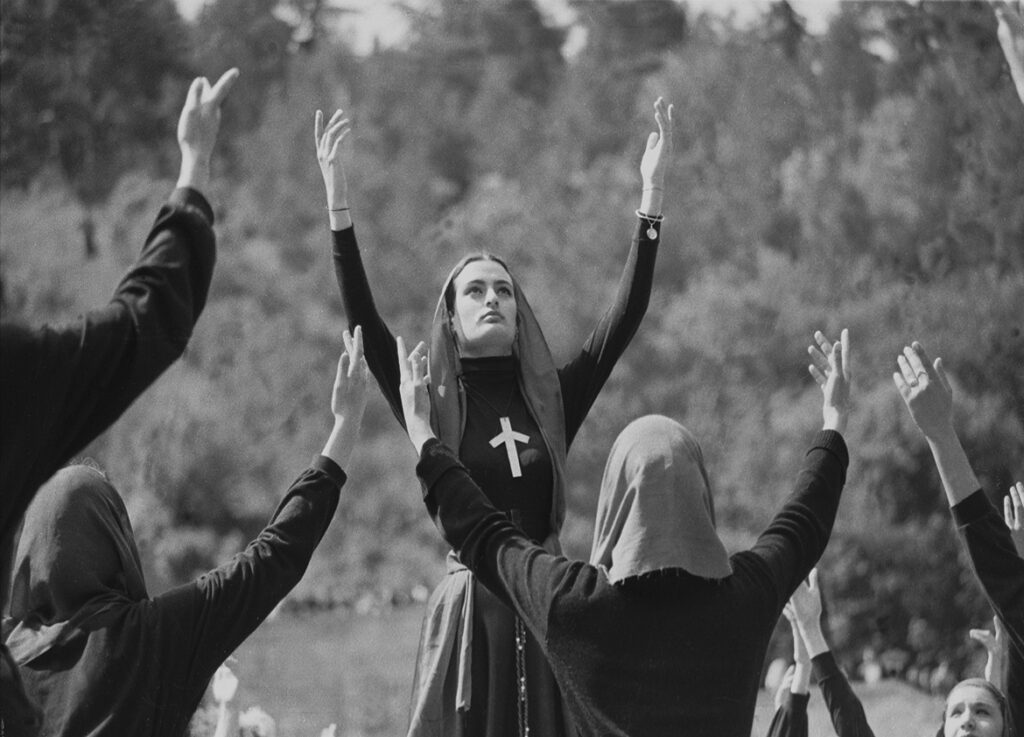
Photo: Y. Mechitov / 1989
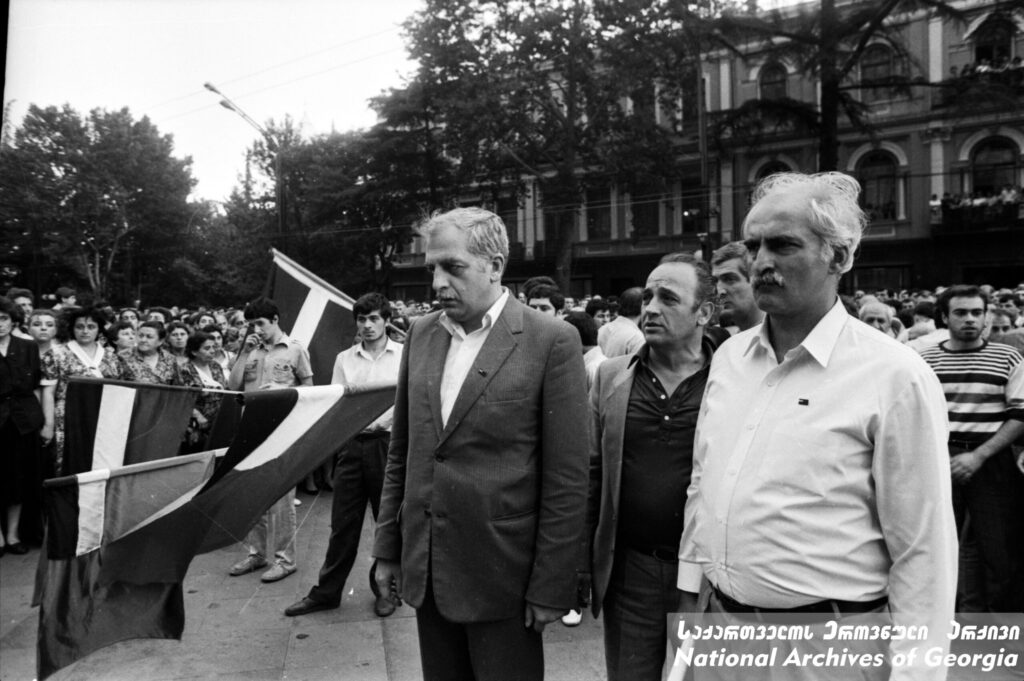
Photo: G. Kikvadze / 1989
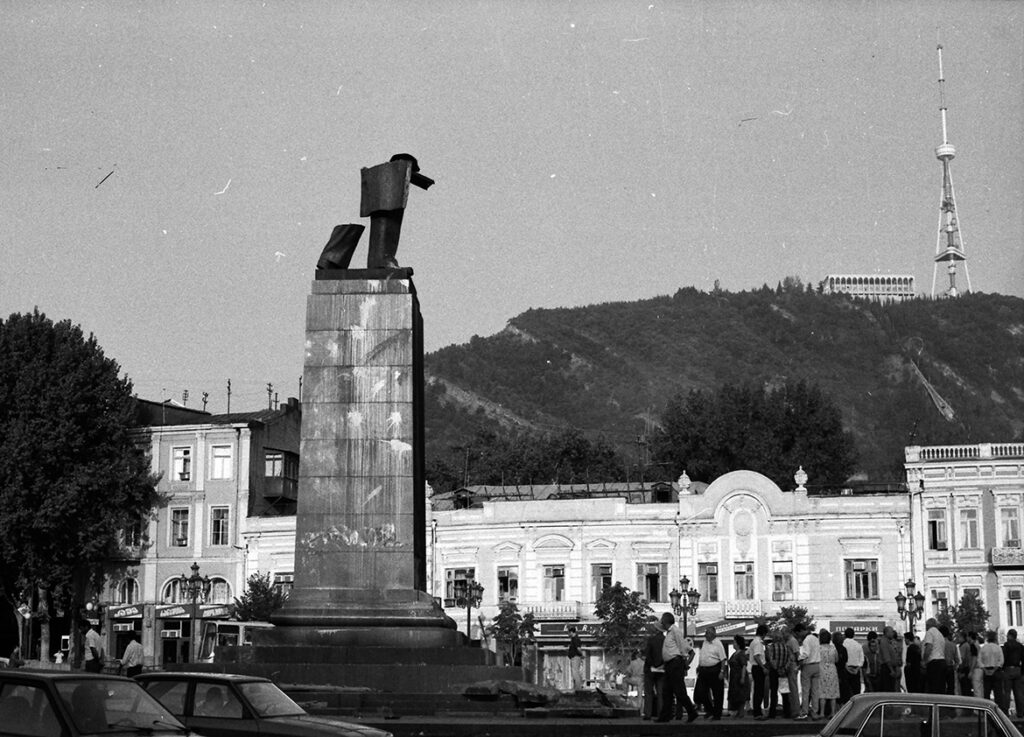
Photo: G. Tsibakhashvili / 1990
/ Consequences
/ Investigation
/ Collapse of USSR
/ Independence
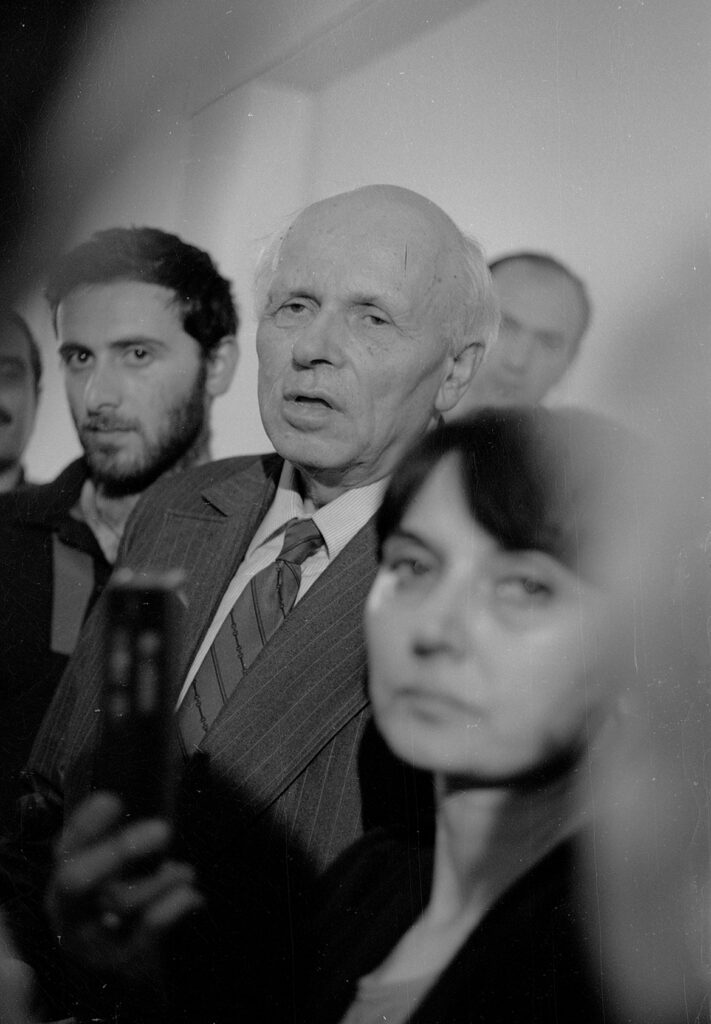
Photo: Y. Mechitov / 1989
February, 1990
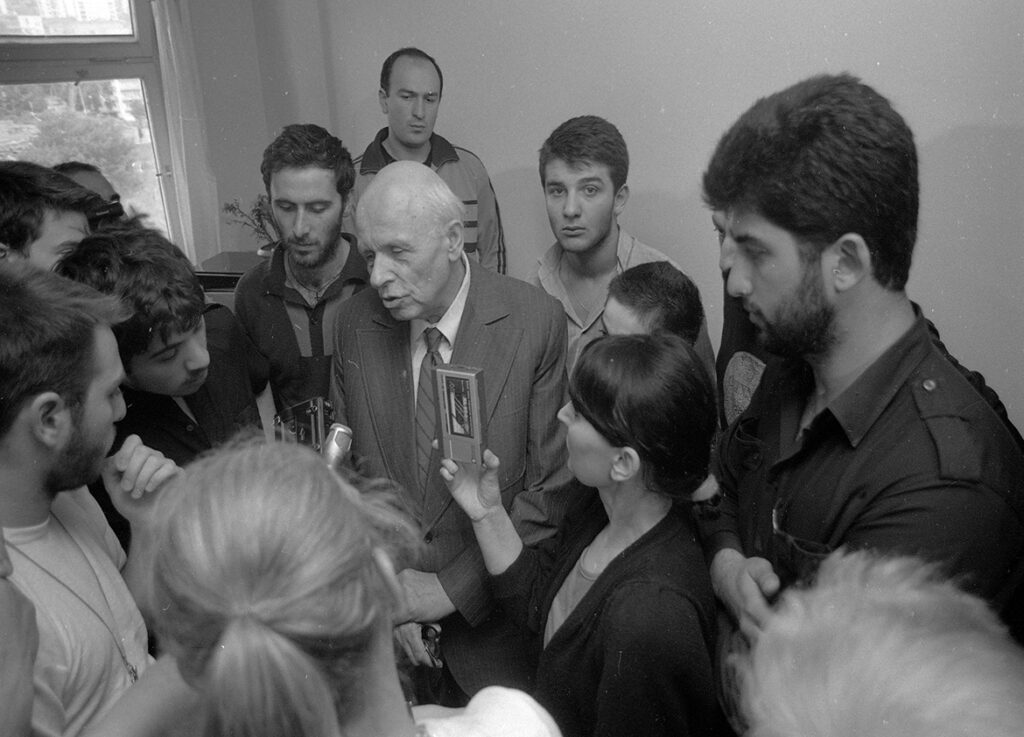
Photo: Y. Mechitov / 1989
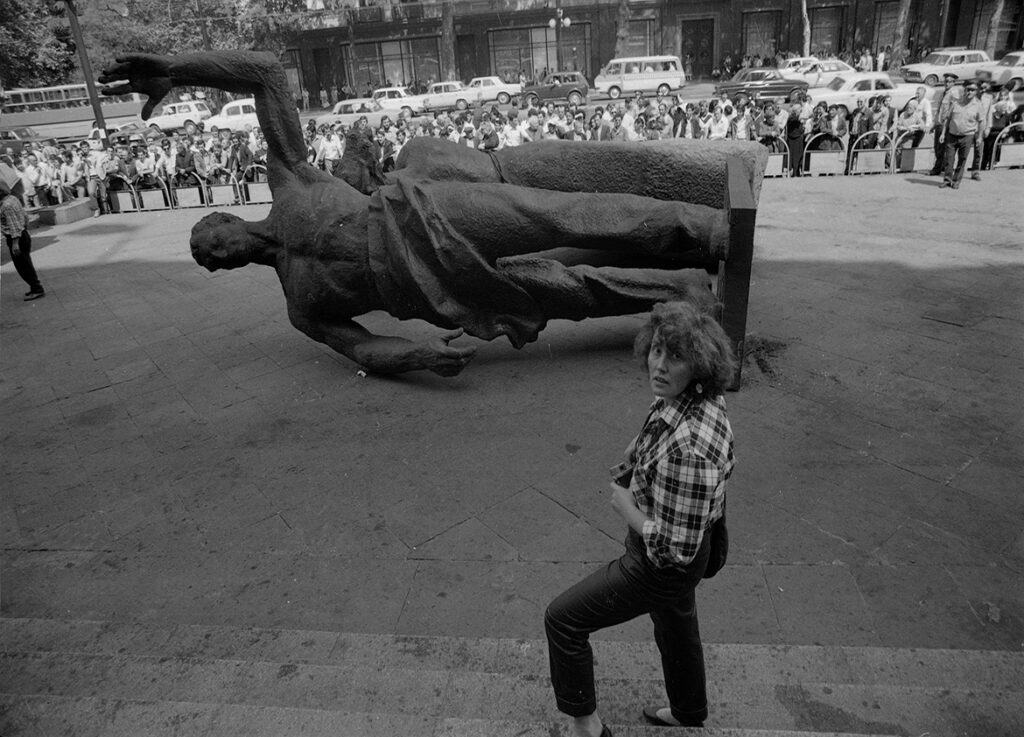
Photo: Y. Mechitov / 1989
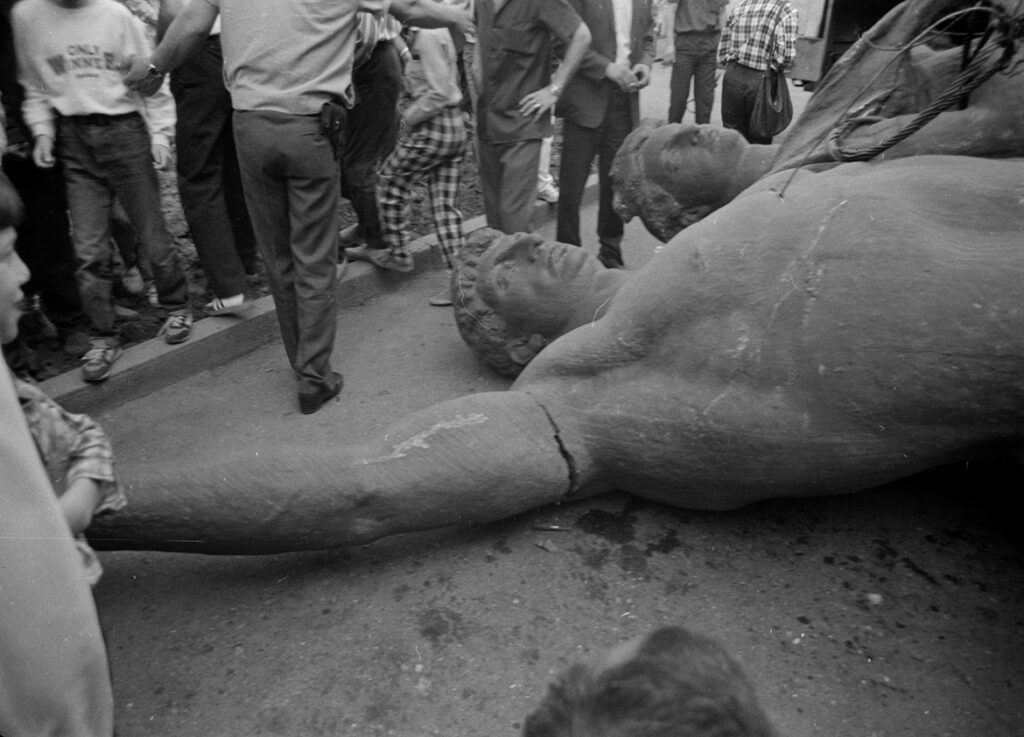
Photo: Y. Mechitov / 1989
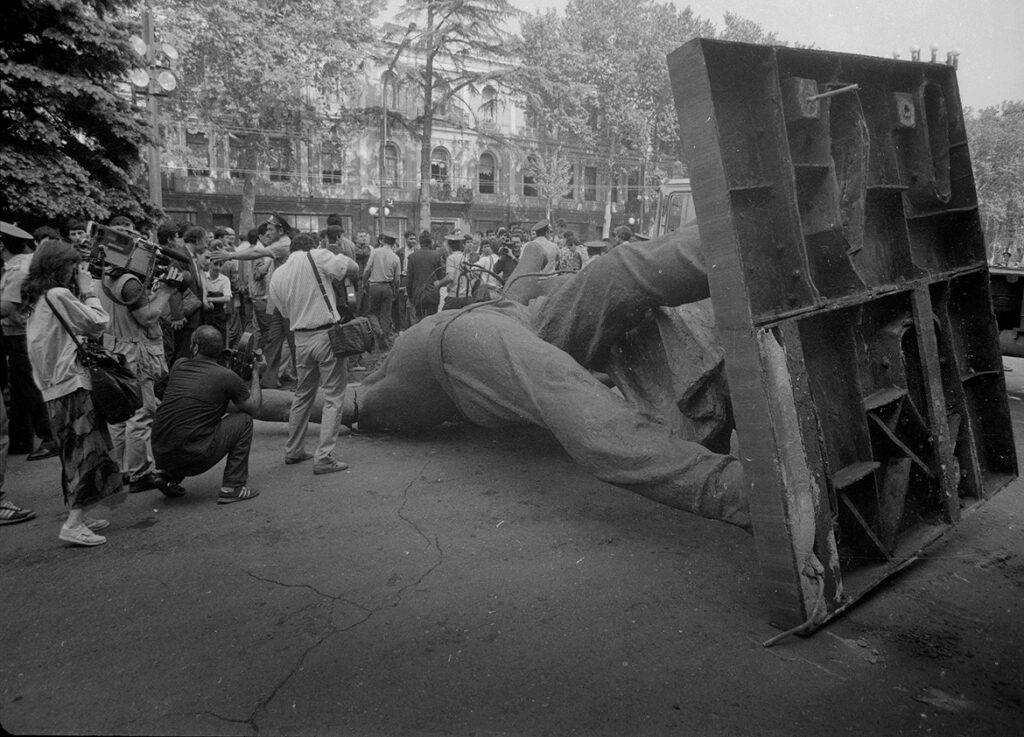
Photo: Y. Mechitov / 1989
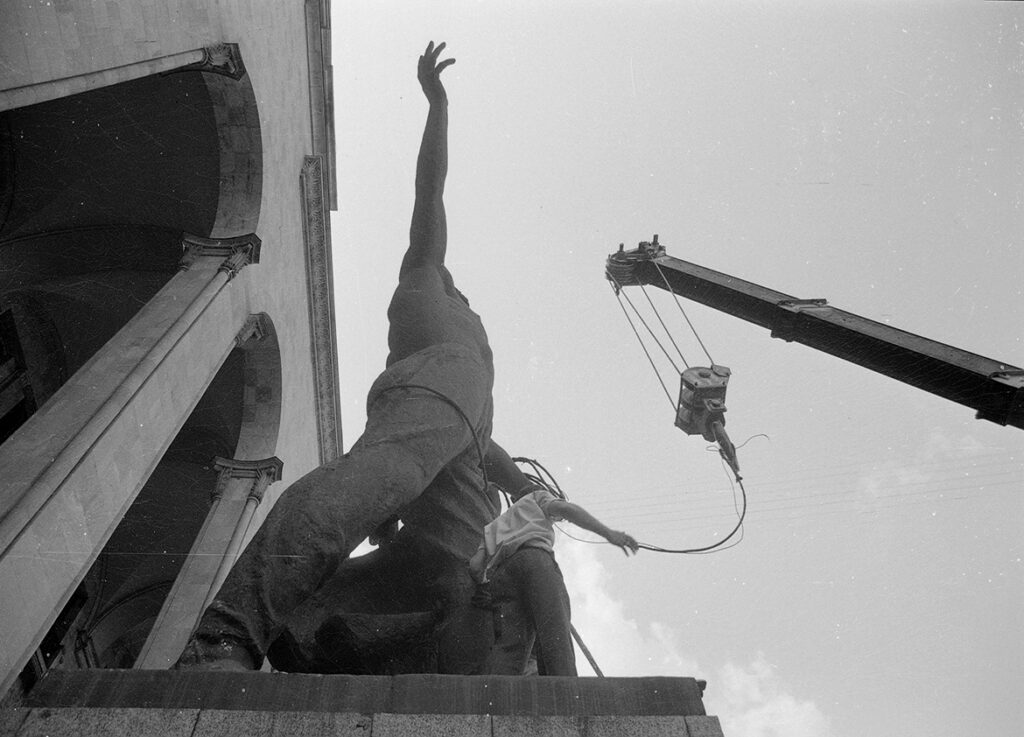
Photo: Y. Mechitov / 1989
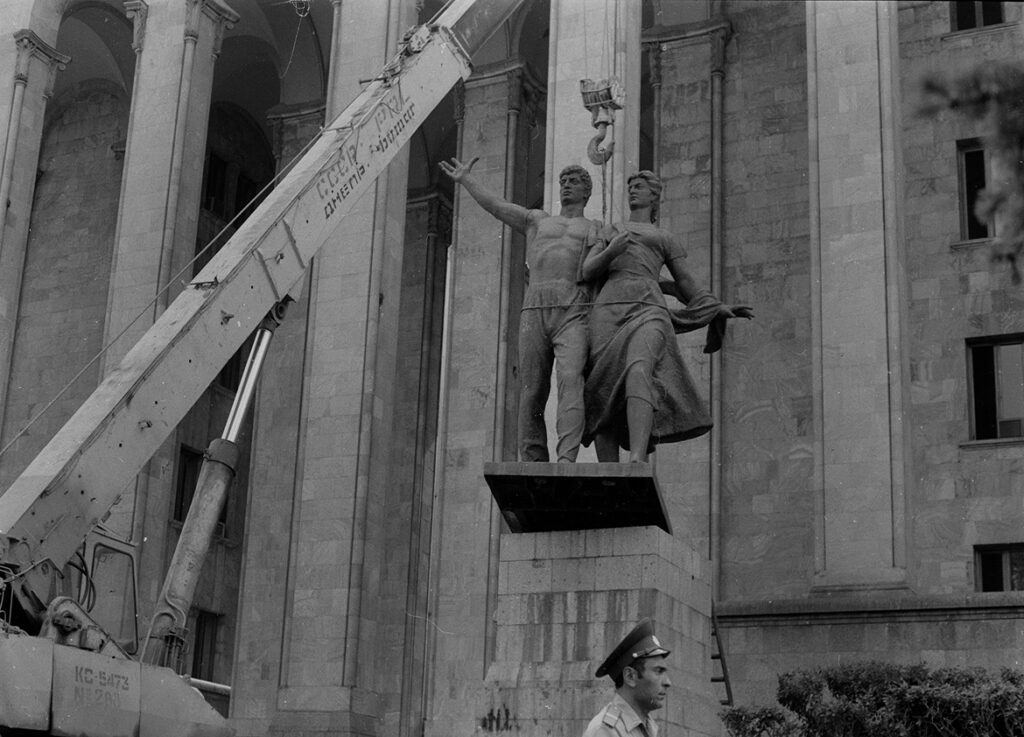
Photo: Y. Mechitov / 1989
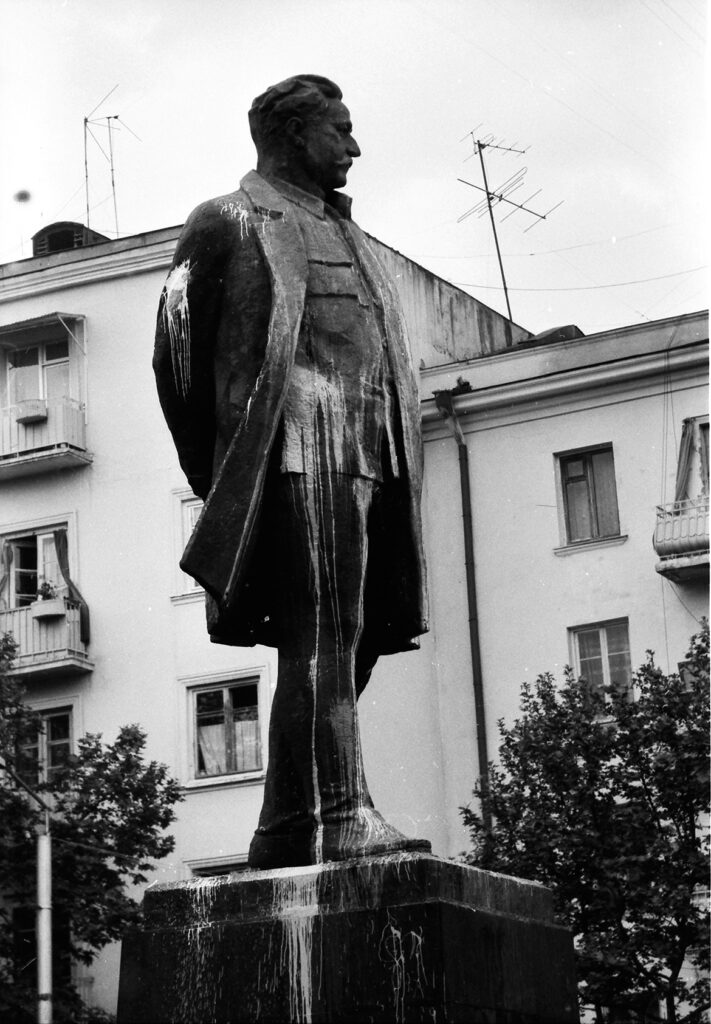
Photo: G. Tsibakhashvili / 1989
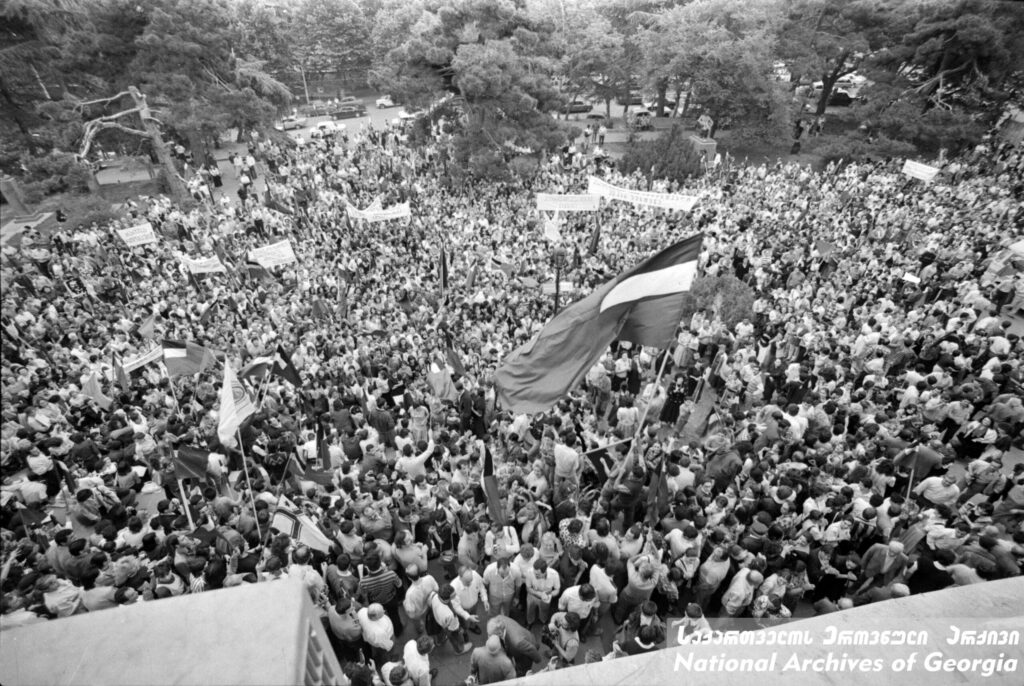
Photo: S. Aivazov / 1989
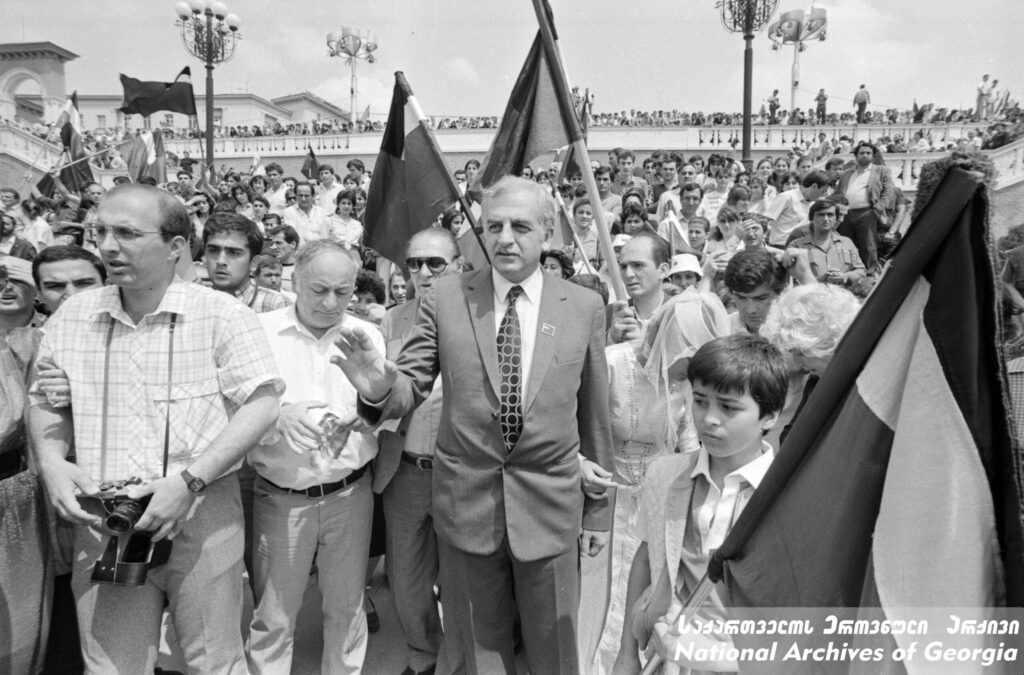
Photo: S. Aivazov / 1989
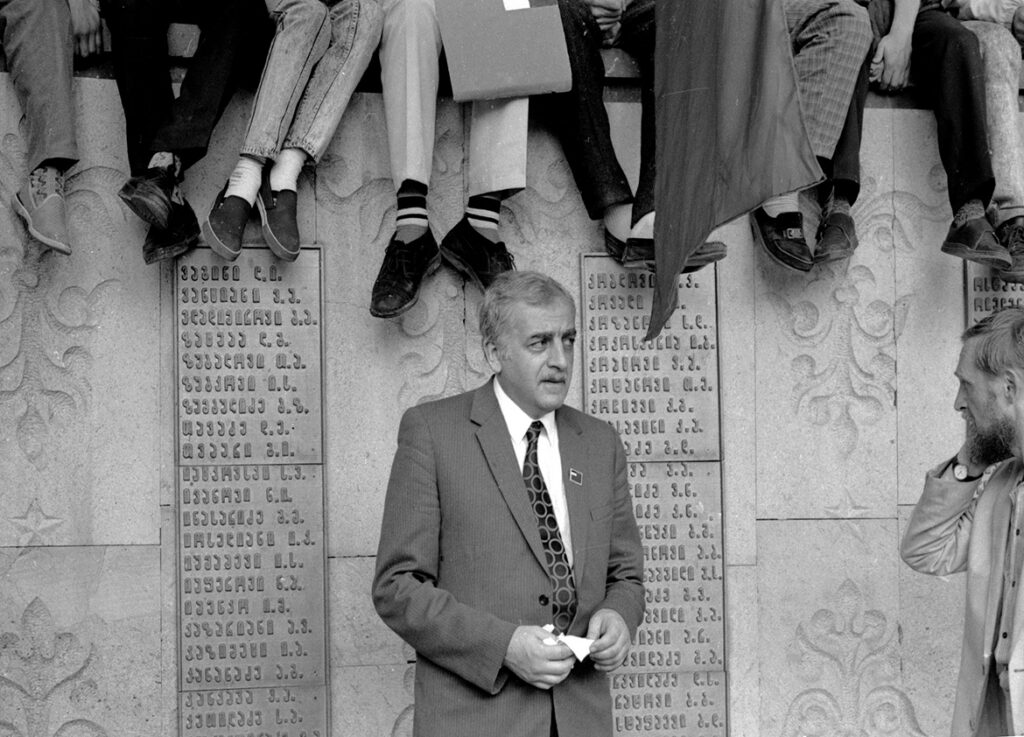
Photo: Y. Mechitov / 1989
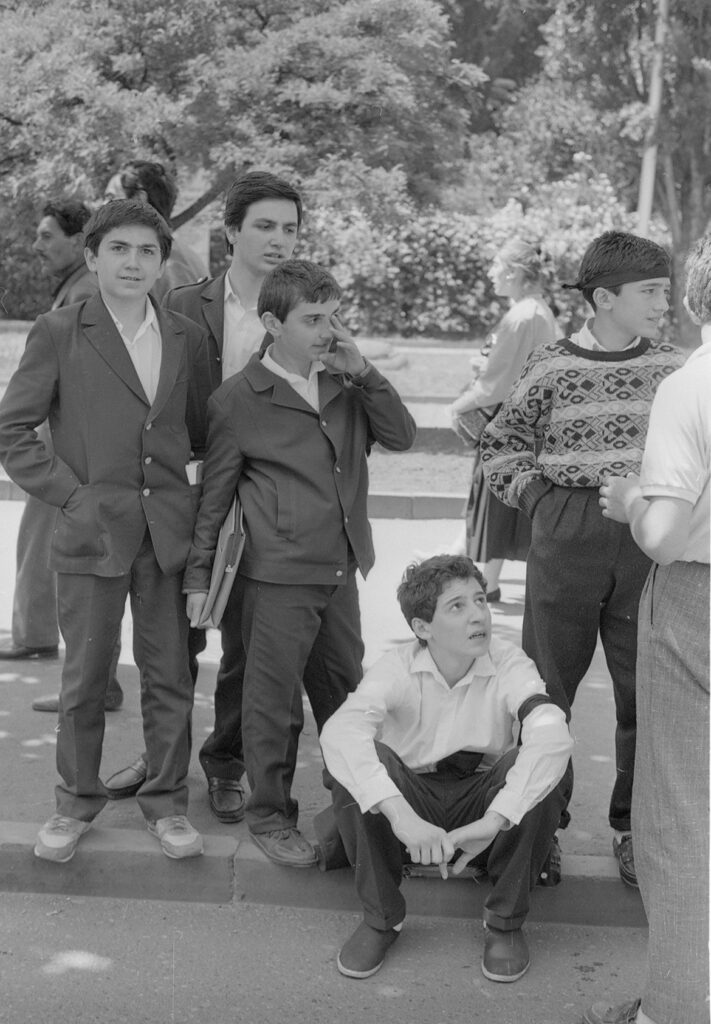
Photo: Y. Mechitov / 1989
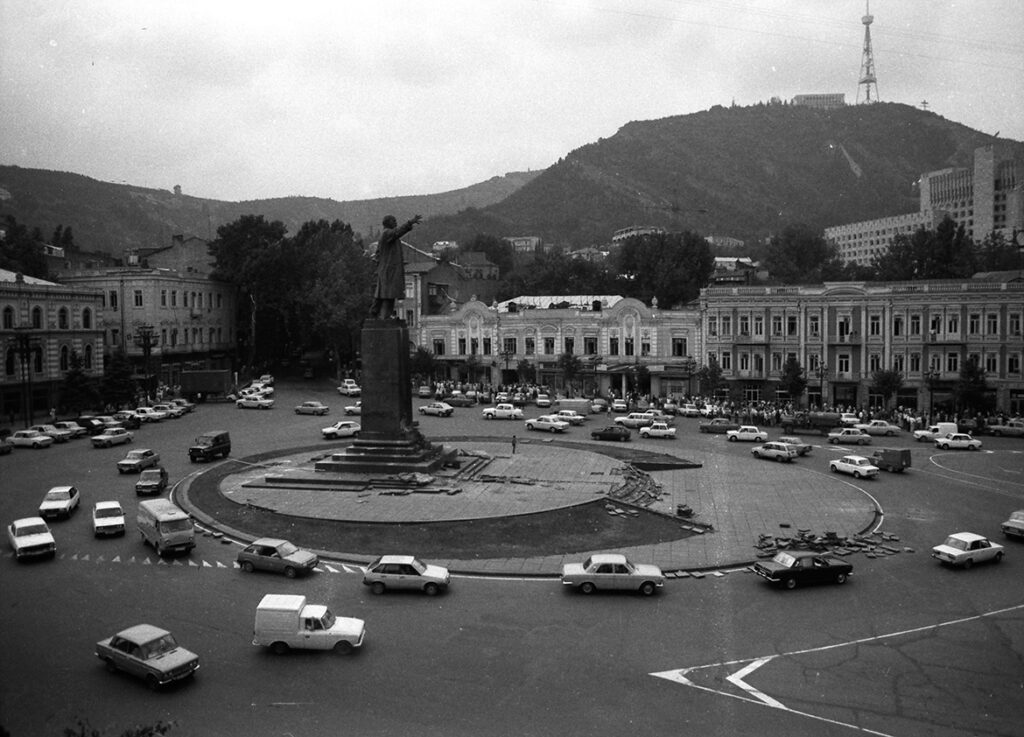
Photo: G. Tsibakhashvili / 1990
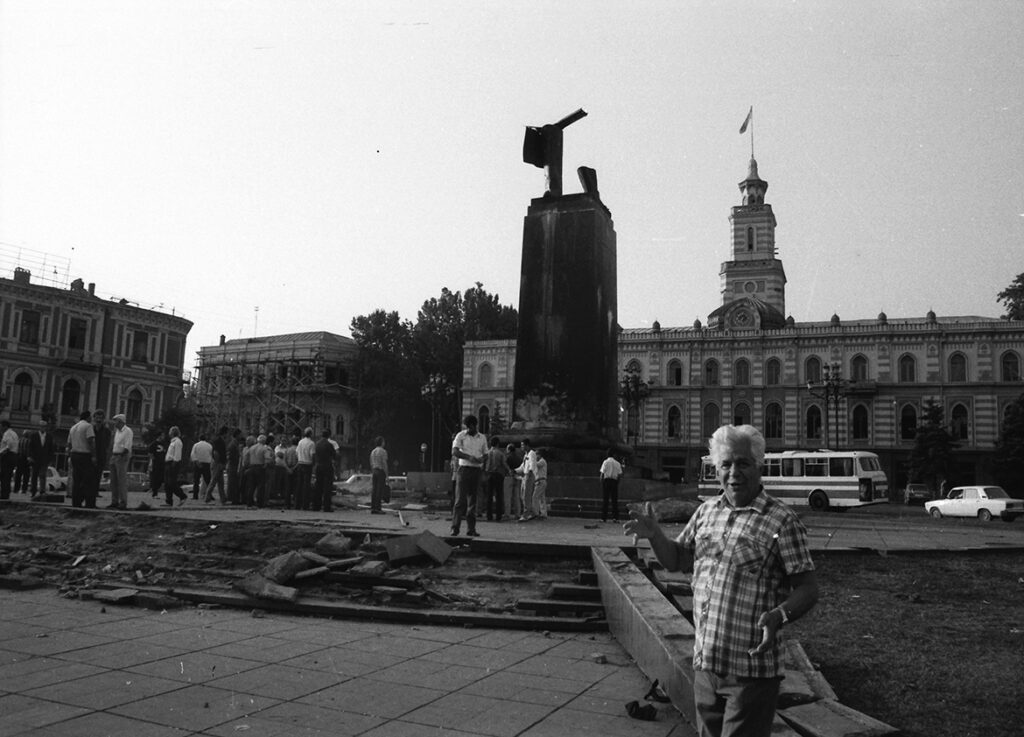
Photo: G. Tsibakhashvili / 1990
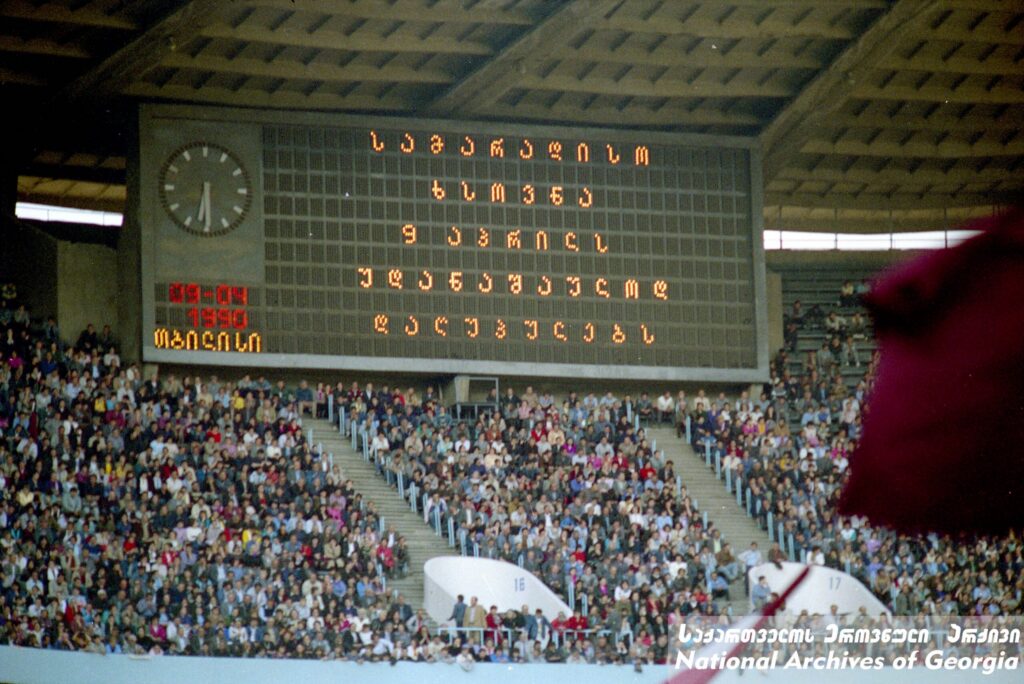
Photo: S. Aivazov / 1990
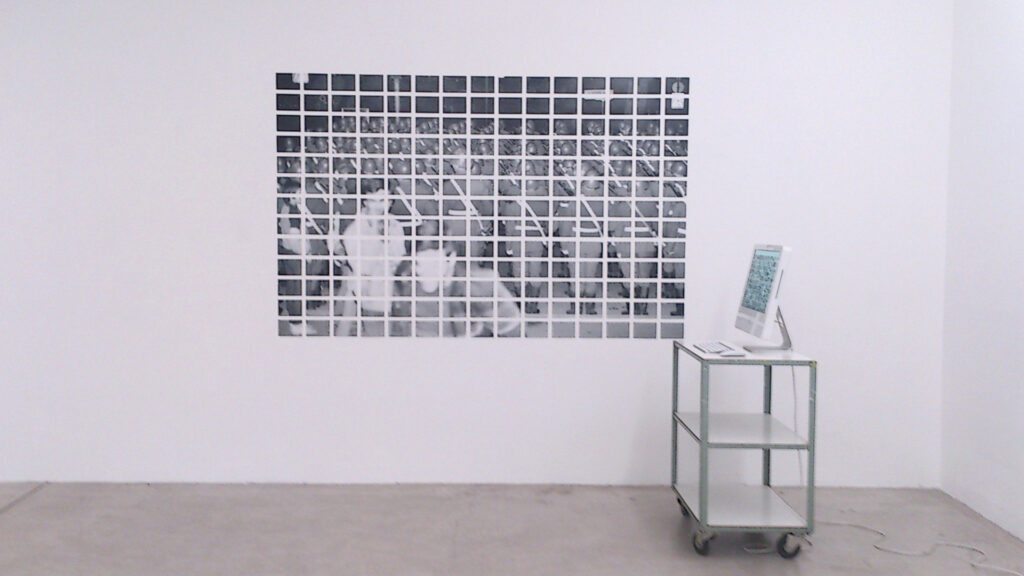
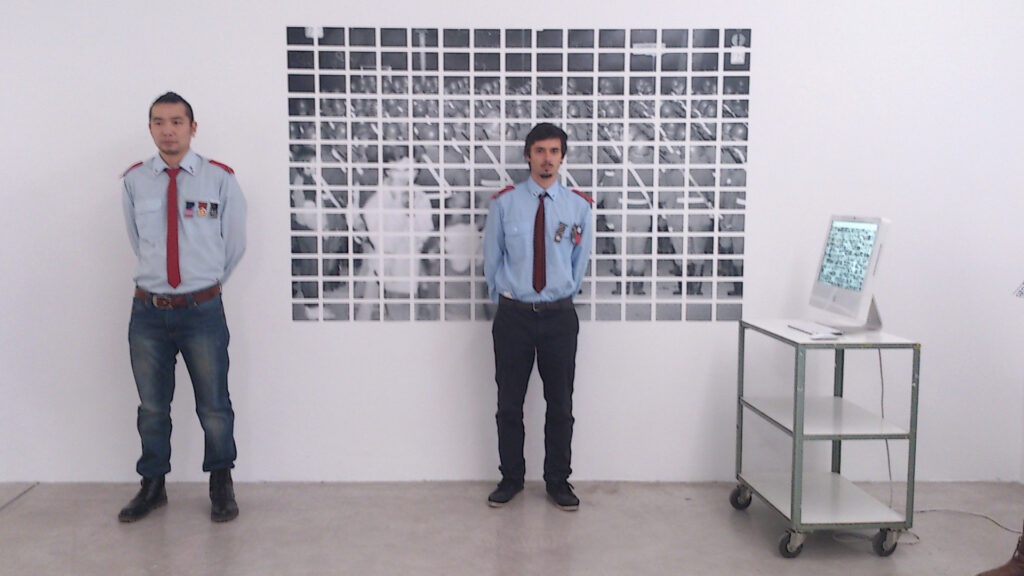
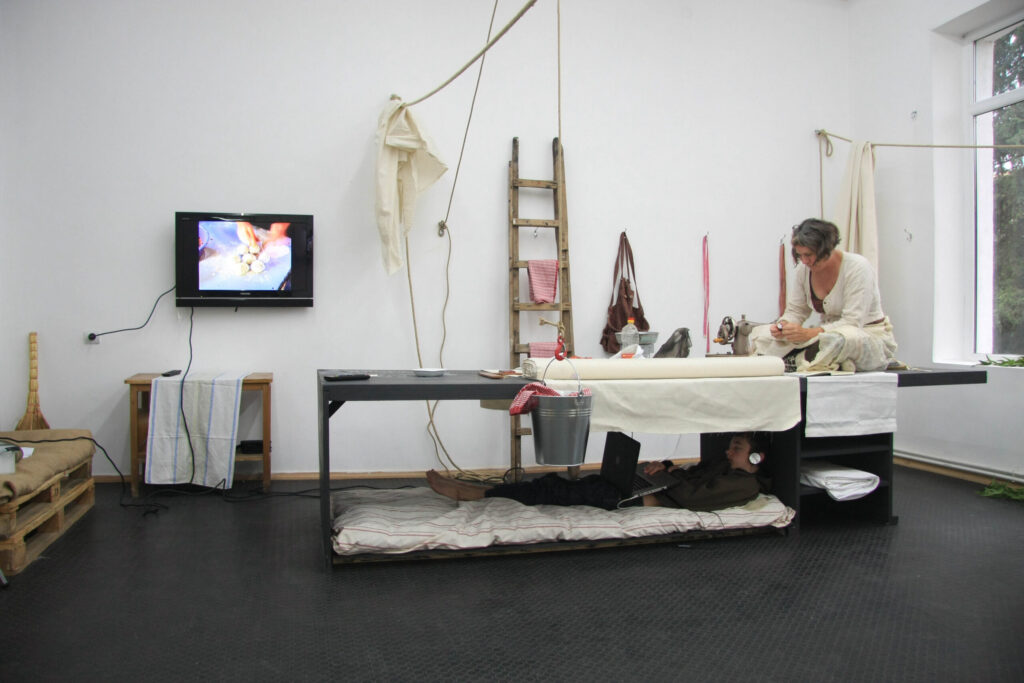
Installation View: Photography / Media Archive / Size Variable
Klingental, Basel, Switzerland 2014
9 April / 1989
Social Memory Archive
Research And Exposition: Koka Vashakidze
Photo On The Cover: Guram Tsibakhashvili
Dada Dadiani / Edvard Rasoev / Elefter Lapachi / Givi Kikvadze / Gogi Tsagareli / Guram Tsibakhashvili / Ioseb Davitashvili / K. Vacheishvili / M. Datikashvili / M. Utiashvili / Sergo Edisherashvili / Shah Aivazov / Vano Shlamov / Vasil Gabunia / Vladimer Valishvili / Yuri Mechitov
- Klingental, Basel, Switzerland / 2014
- Center Of Contemporary Art, Tbilisi, Georgia / 2015
- Pilecki Institute, Berlin, Germany / 2026
- AhuAhu Foundation
- National Archives Of Georgia