
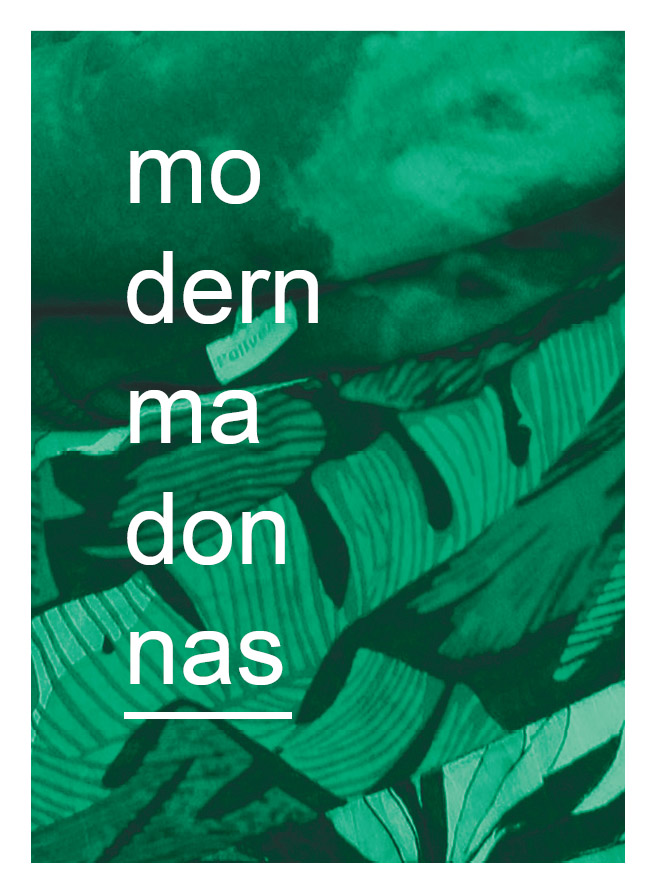
Modern Madonnas
Sacred In Georgia's Social Space
Text And Exposition: Koka Vashakidze
Artwork On The Cover: Aleksi Soselia
Koka Vashakidze / Photo Series / 2014-2018
Curated: Nikoloz Nadirashvili
Exhibited: Literature Museum, Tbilisi, Georgia / 2018
Comission and Partners: Ministry Of Culture Of Georgia / Literature Museum / Art and Society
Koka Vashakidze / Print Series / 2014
Curated: Anuka Lomidze
Exhibited: Liberty Square Metro Station Entrence Hall, Tbilisi, Georgia / 2014
Comission and Project: USAID Georgia / CSDC / AHUAHU Foundation / Helping Hands
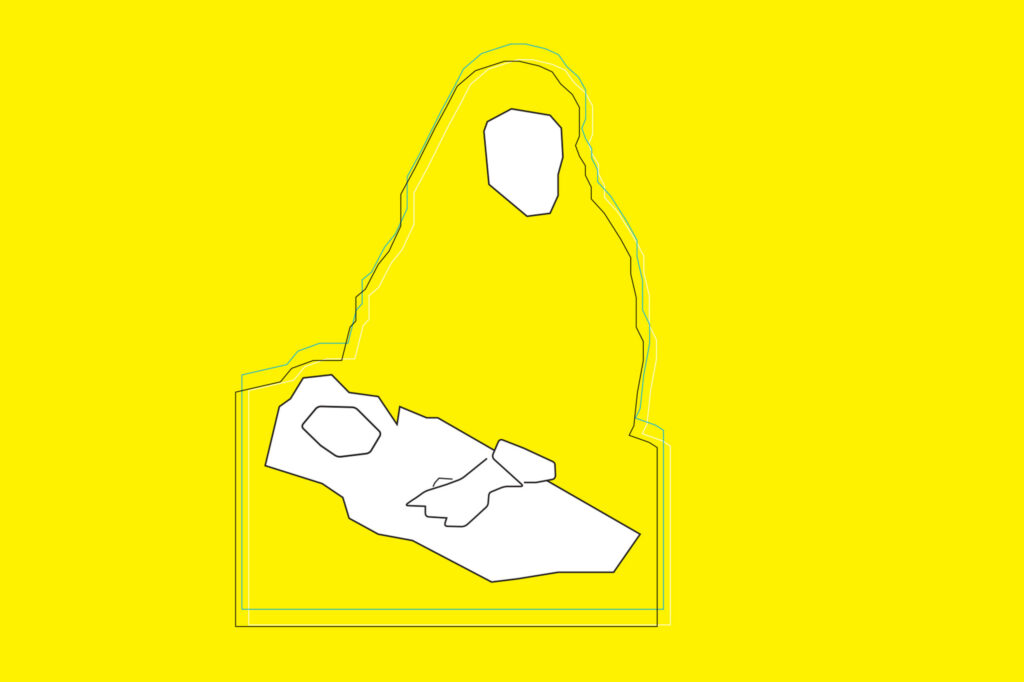
MODERN MADONNAS
TEXT AND EXPOSITION: KOKA VASHAKIDZE
KOKA VASHAKIDZE / PHOTO SERIES / 2014-2018
CURATED: NIKOLOZ NADIRASHVILI
EXHIBITED: LITERATURE MUSEUM, TBILISI, GEORGIA / 2018
COMISSION AND PARTNERS: MINISTRY OF CULTURE OF GEORGIA / LITERATURE MUSEUM / ART AND SOCIETY
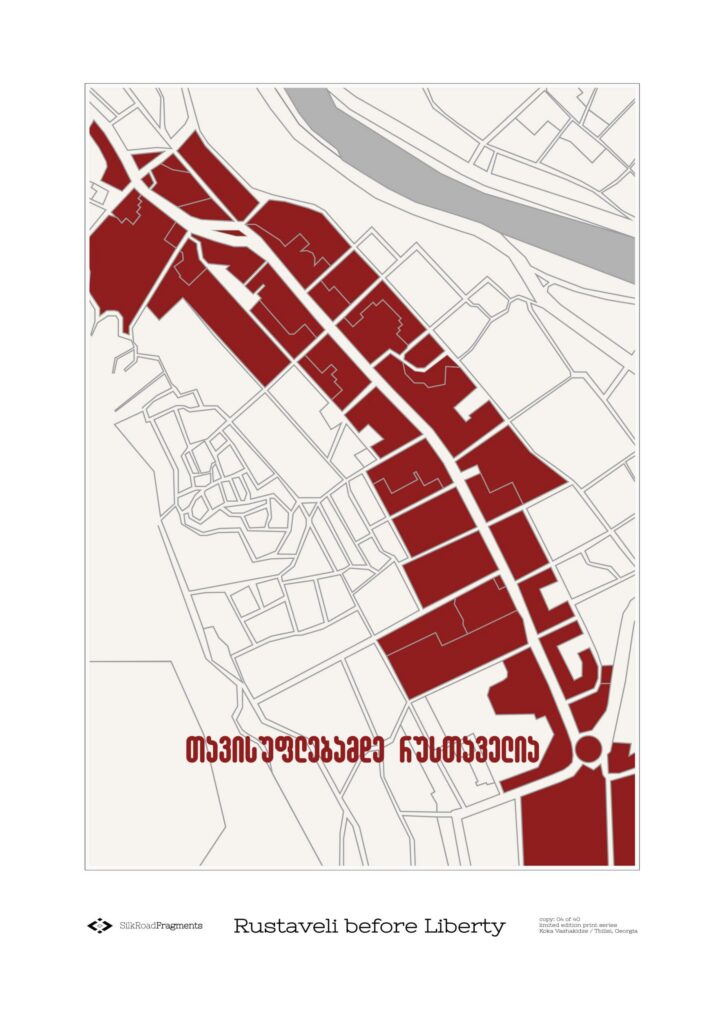
KOKA VASHAKIDZE / PRINT SERIES / 2014
CURATED: ANUKA LOMIDZE
EXHIBITED: LIBERTY SQUARE METRO STATION ENTRANCE HALL, TBILISI, GEORGIA / 2014
COMISSION AND PROJECT: USAID GEORGIA / CSDC / AHUAHU FOUNDATION / HELPING HANDS
According to a well-known myth, when the apostles divided the world among themselves in order to preach the new religion, Georgia was allotted to Mary — the Mother of Christ.
She was to travel two thousand kilometers from Jerusalem and arrive, presumably, in Mtskheta, then the capital of the Kingdom of Iberia.
In reality, Christianity was first spread in Georgia by a very different figure — Saint Nino, who came from Cappadocia and only in the fourth century.
Yet the majority of the population still believes they live in the country chosen by the Virgin Mary, and thus consider themselves under her special protection.
ცნობილი მითის თანახმად, როდესაც მოციქულები, ახალი რელიგიის საქადაგებლად ადგილებს ინაწილებდნენ, მარიამს – ქრისტეს დედას, საქართველო ხვდა წილად. მას იერუსალიმიდან ორი ათასი კილომეტრი უნდა ეარა და სავარაუდოდ მცხეთაში, იბერიის სამეფოს იმჟამინდელ დედაქალაქში ჩასულიყო.
რეალურად, ქრისტიანობა საქართველოში პირველად სულ სხვა პიროვნებამ, კაბადოკიიდან მისულმა წმინდა ნინომ, მხოლოდ მეოთხე საუკუნეში გაავრცელა, მაგრამ მოსახლეობის უმრავლესობას მაინც სწამს, რომ ღვთისმშობლის წილხვედრი ქვეყნიდან არიან და ამიტომ მისი განსაკუთრებული მფარველობით სარგებლობენ.
According to a well-known myth, when the apostles divided the world among themselves in order to preach the new religion, Georgia was allotted to Mary — the Mother of Christ.
She was to travel two thousand kilometers from Jerusalem and arrive, presumably, in Mtskheta, then the capital of the Kingdom of Iberia.
In reality, Christianity was first spread in Georgia by a very different figure — Saint Nino, who came from Cappadocia and only in the fourth century.
Yet the majority of the population still believes they live in the country chosen by the Virgin Mary, and thus consider themselves under her special protection.
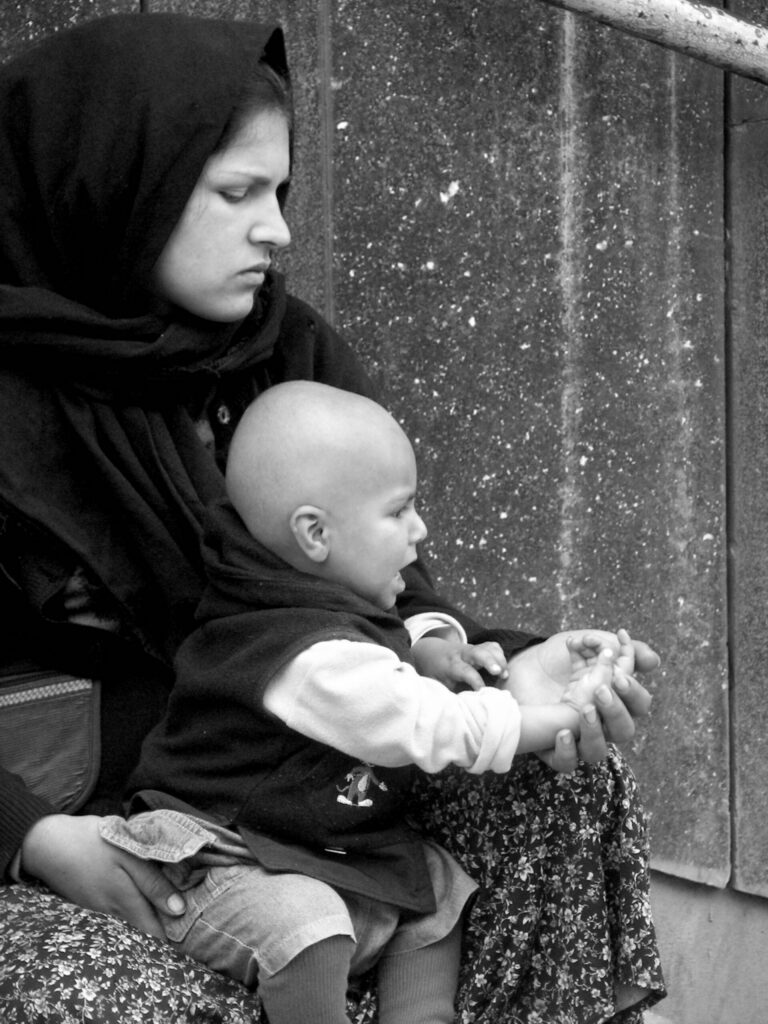
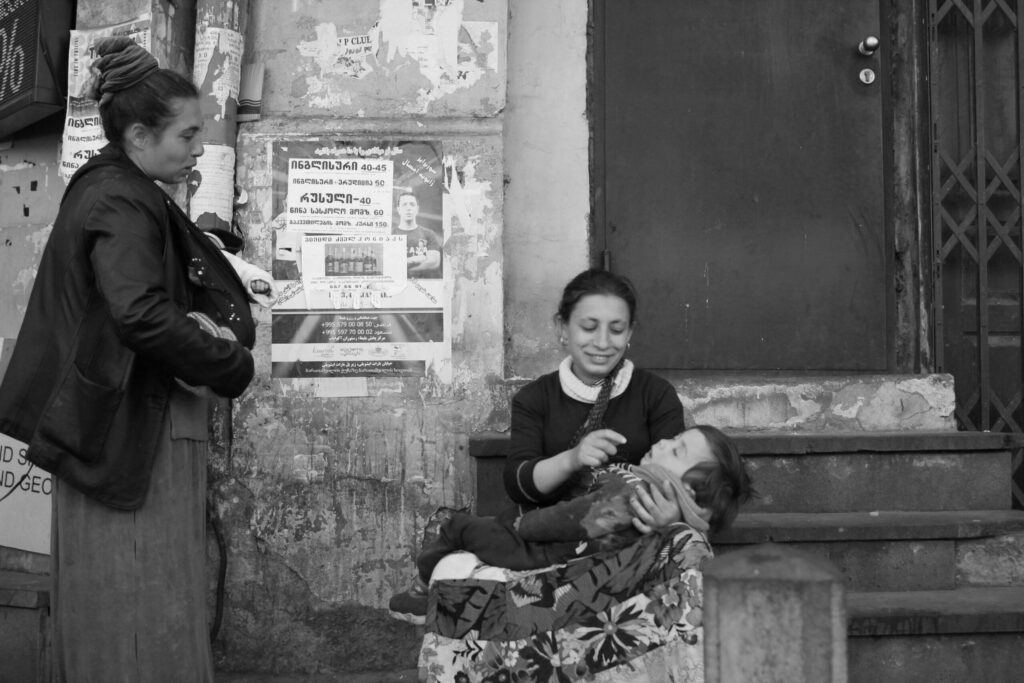
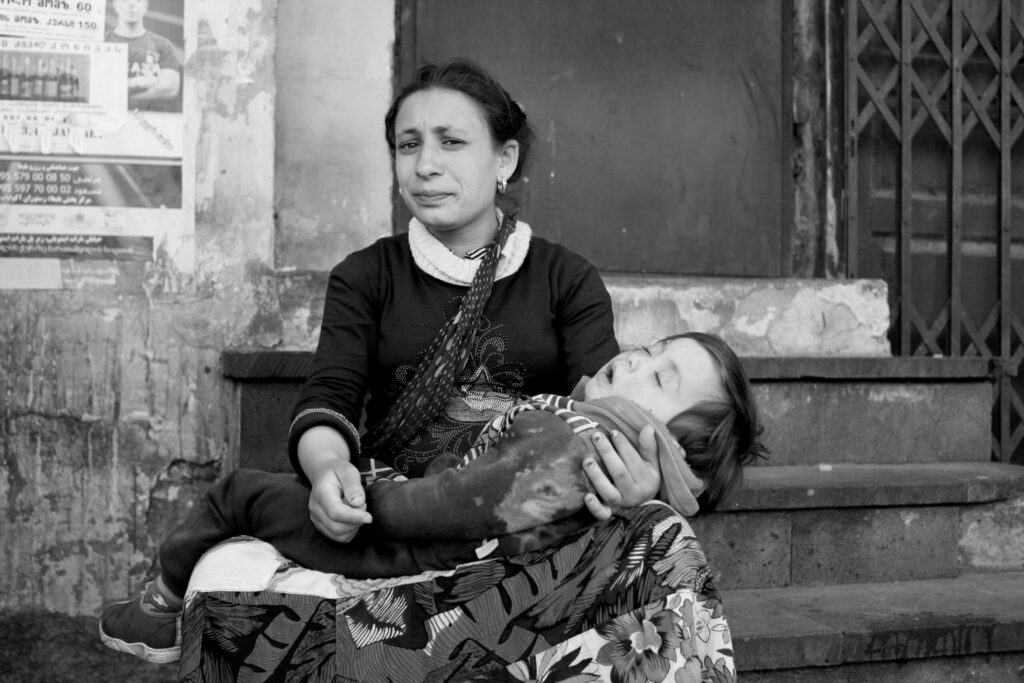
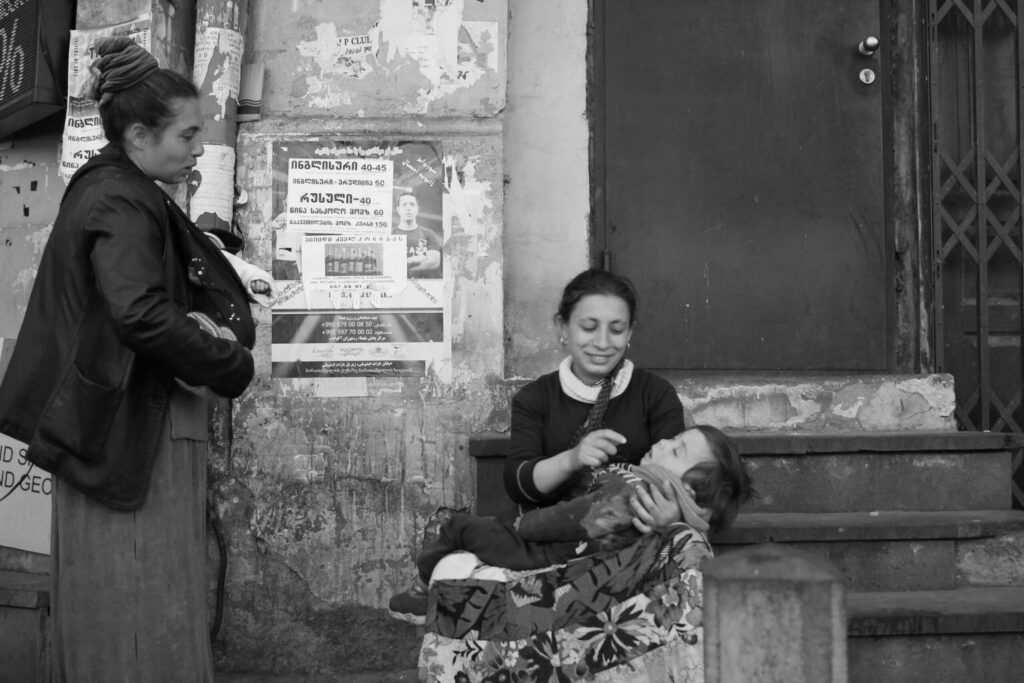
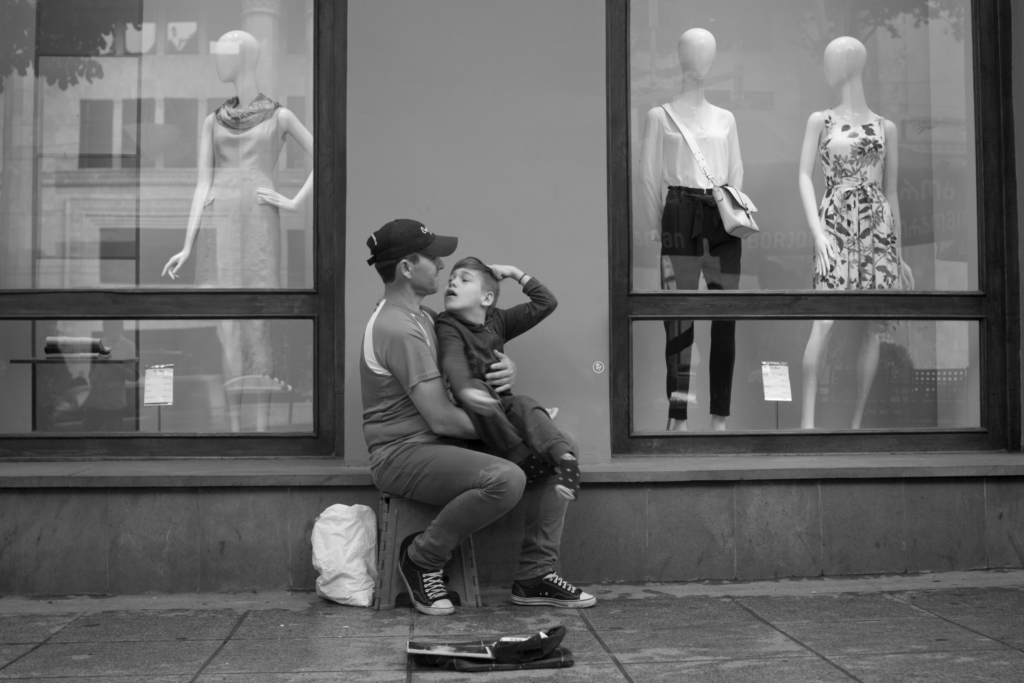
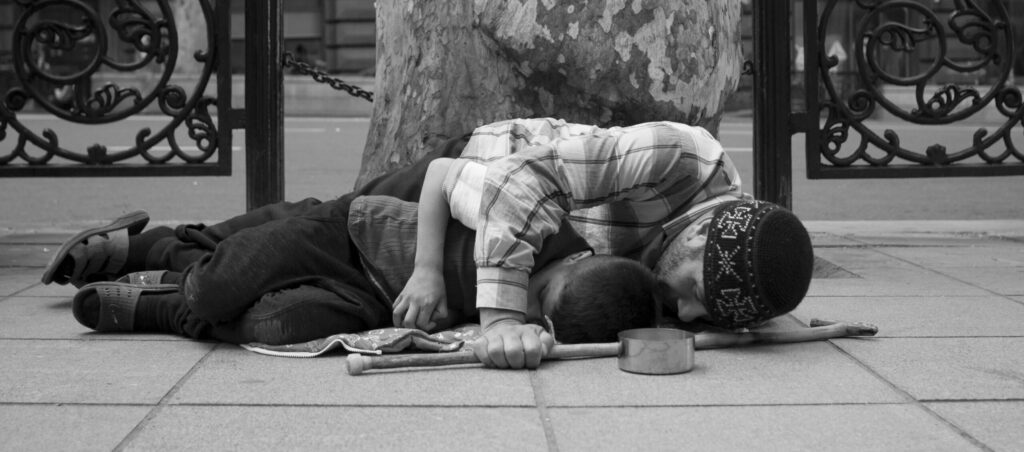
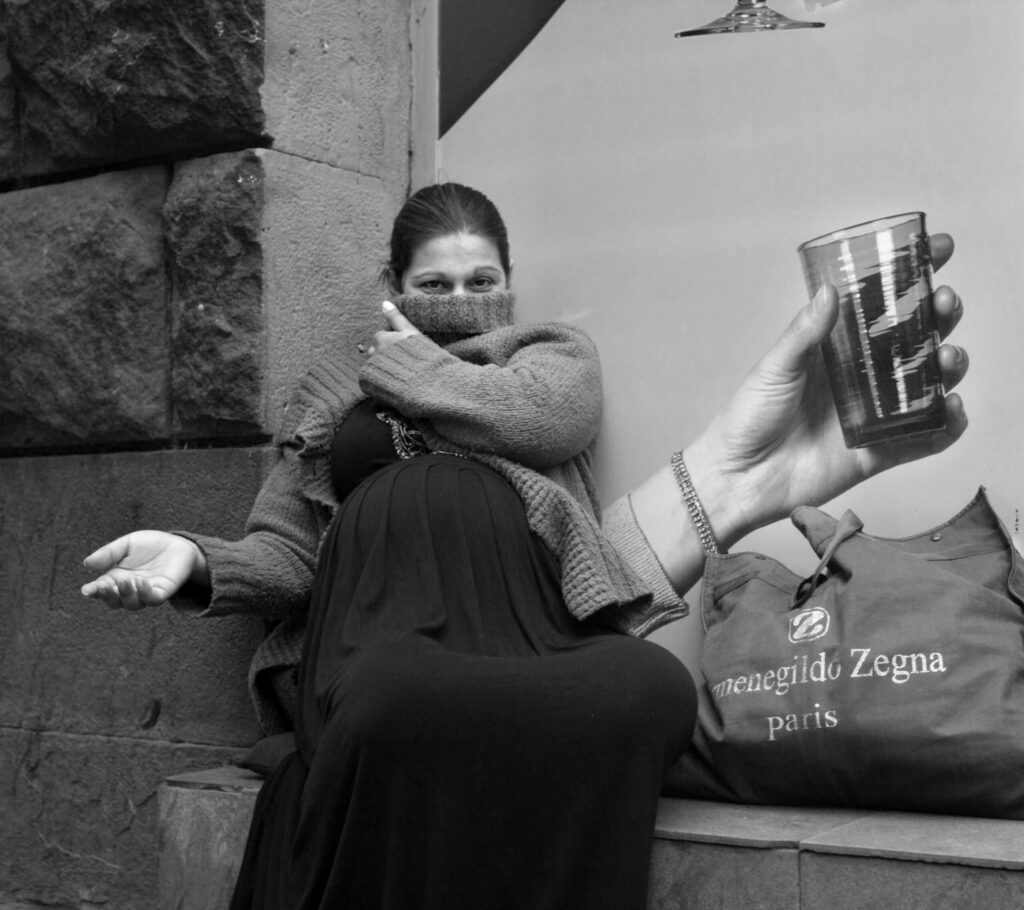
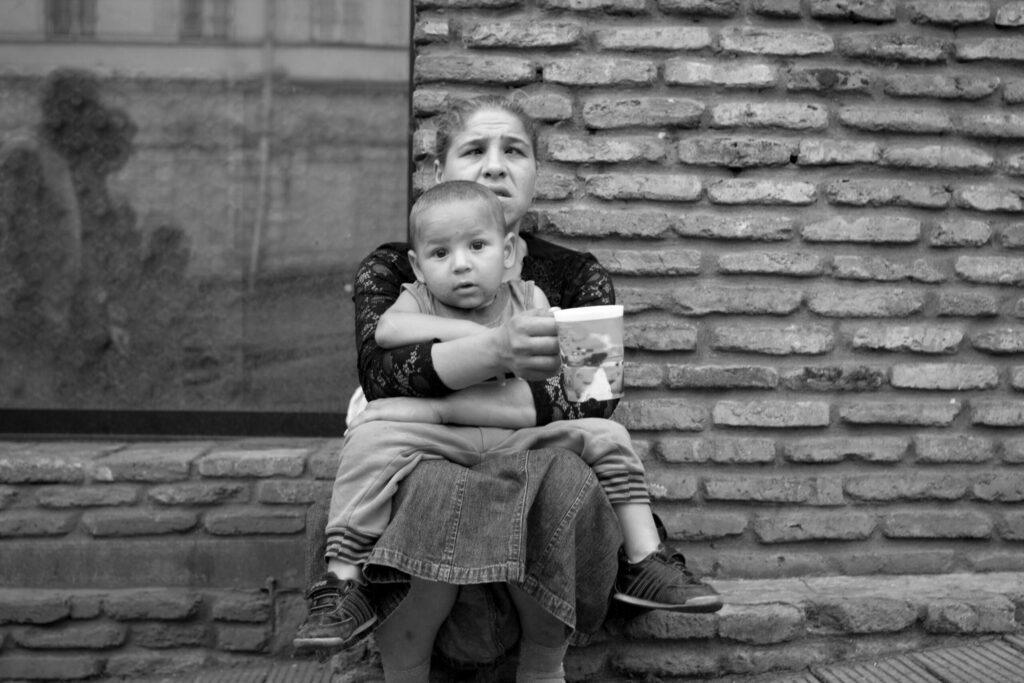
A woman sitting on the steps of an underground passage has a child in her lap. The child has no hair on its head and rests its outstretched hand on its mother’s palm. Spring in Tbilisi begins with the appearance of these moving icons.
Modern Madonnas scattered across the streets carry their own commercial value as well, much like the works of art they knowingly or unknowingly quote. In both cases, price is assigned by the viewer. Yet while in the first case one pays for the encounter with the image, it remains unclear what is being paid for when money is given to a woman holding a child.
Human compassion?
What triggers this response?
The child, the mother, or the forms they reproduce? Pregnant Madonna, Nursing Madonna, Holy Family, Three-handed Virgin, Pietà… Does concern for their lives, health, or legal status have any place in this compassion?
ცნობილი მითის თანახმად, როდესაც მოციქულები, ახალი რელიგიის საქადაგებლად ადგილებს ინაწილებდნენ, მარიამს – ქრისტეს დედას, საქართველო ხვდა წილად. მას იერუსალიმიდან ორი ათასი კილომეტრი უნდა ეარა და სავარაუდოდ მცხეთაში, იბერიის სამეფოს იმჟამინდელ დედაქალაქში ჩასულიყო.
რეალურად, ქრისტიანობა საქართველოში პირველად სულ სხვა პიროვნებამ, კაბადოკიიდან მისულმა წმინდა ნინომ, მხოლოდ მეოთხე საუკუნეში გაავრცელა, მაგრამ მოსახლეობის უმრავლესობას მაინც სწამს, რომ ღვთისმშობლის წილხვედრი ქვეყნიდან არიან და ამიტომ მისი განსაკუთრებული მფარველობით სარგებლობენ.
მიწისქვეშა გადასასველის კიბეზე ჩამომჯდარ ქალს, კალთაში ბავშვი უზის. ბავშვს თავზე თმა არ აქვს და წინ გაშვერილი ხელით, დედამისის ხელის გულს ეყრდნობა. თბილისში გაზაფხული, ამ მოძრავი ხატების გამოჩენასთან ერთად დგება.
ქუჩებში განფენილ თანამედროვე ღვთისმშობლებსაც საკუთარი კომერციული ღირებულება აქვთ, ისევე როგორც იმ ხელოვნების ნიმუშებს, რომლებსაც ისინი ნებით და უნებლიეთ ციტირებენ. ორივე მოცემულობაში ფასს მაყურებელი ადგენს. მაგრამ თუ პირველ შემთხვევაში ადამიანი ფულს გამოსახულებასთან შეხვედრისთვის იხდის, გაურკვეველი რჩება, რა ამოძრავებს მას, როდესაც ბავშვიან ქალს ეხმარება.
ადამიანური თანაგრძნობა?
რა აღძრავს ამ განცდას? ბავშვი, დედა, თუ მათ მიერ შექმნილი ფორმები? ორსული ღვთისმშობელი, ძუძუს მაწოვებელი მადონა, წმინდა ოჯახი, სამხელიანი ღვთისმშობელი, პიეტა… რა ადგილი უჭირავს ამ თანაგრძნობაში მათ ცხოვრებაზე, ჯანმრთელობაზე ან უფლებრივ მდგომარეობაზე ზრუნვას?
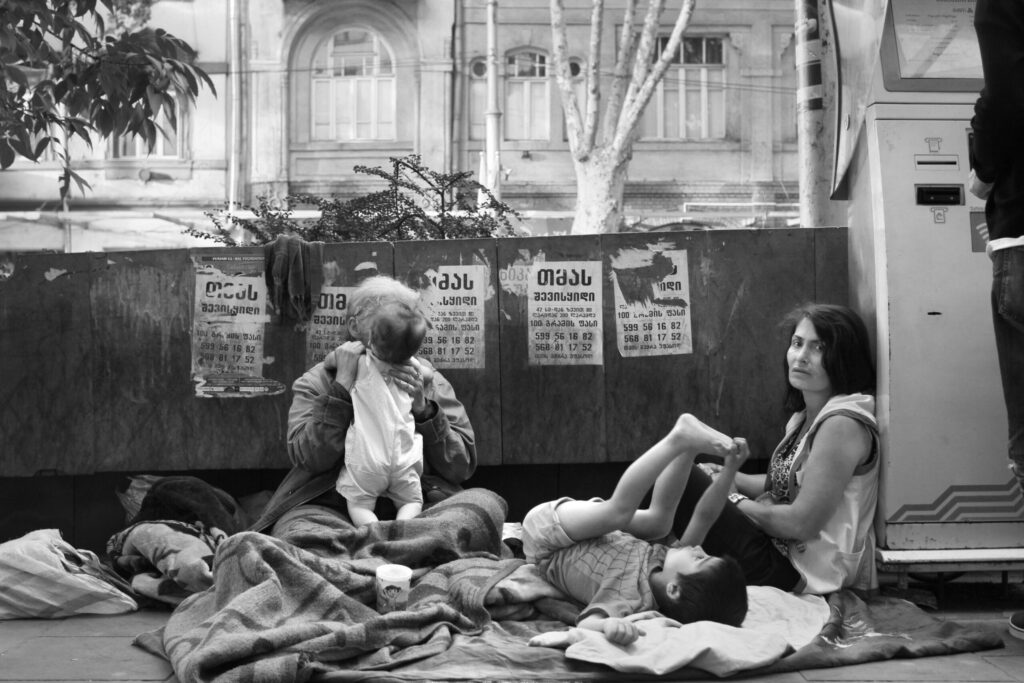
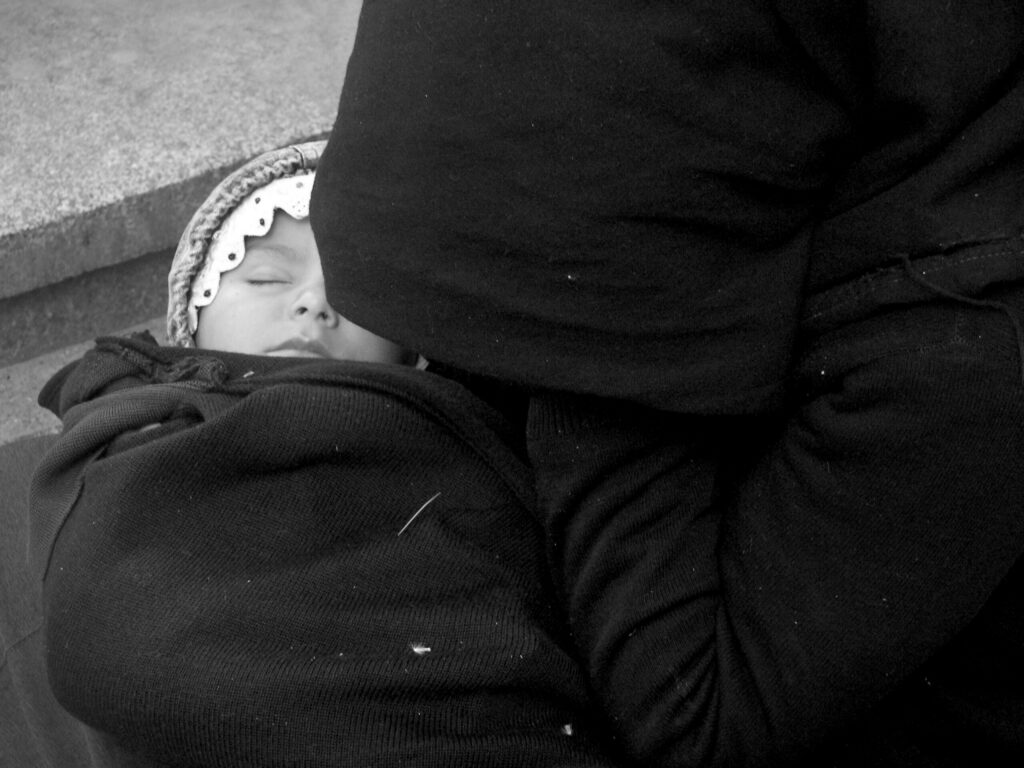
This iconographic diversity also has its own recurring patterns. Amid traffic noise, the chatter of passersby, and coins clinking near the ear, a motionless sleeping infant is among them. People hardly ever stop. Money passes from hand to hand, as evidence of a fleeting encounter with an icon-like scene.
Such repetition was not confined to abstraction. In Tbilisi, a case drew particular attention: it was revealed that a woman begging on the street was holding a dead child in her arms. Public attention, however, shifted away from questions of responsibility toward speculation about the possible causes of death and the identities of those who sat daily in front of everyone’s eyes.
Again they recalled cotton soaked in opium decoctions placed on infants’ fontanelles. Bread soaked in alcohol, wrapped in cloth and fed to children to prolong sleep. Milk laced with sedatives… It turned out that many had long been observing this unnatural calm.
ამ იკონოგრაფიულ მრავალფეროვნებასაც თავისი უცვლელი მახასიათებლები გააჩნია. მანქანების ხმაურში, გამვლელების ლაპარაკსა და ყურთან ხურდის ჩხრიალში, საათობით, გაუნძრევლად მძინარე ჩვილიც – ერთ-ერთი მათგანია. ადამიანები მათთან თითქმის არ ჩერდებიან. ფული, მოძრაობაში გადადის ხელიდან ხელში – როგორც რამდენიმე წამით დანახული ხატისმაგვარი სცენის აღქმის დასტური. თუმცა თბილისში მომხდარი ერთი შემთხვევა, განსაკუთრებული ყურადღების საგანი გახდა. გაირკვა, რომ ქალს, რომელიც მოწყალებას ითხოვდა, ხელში უკვე გარდაცვლილი ბავშვი ეჭირა…
მაგრამ საზოგადოების ყურადღება პასუხისმგებლობის საკითხიდან უფრო სიკვდილის შესაძლო მიზეზებსა და ადამიანების ვინაობაზე გადავიდა, რომლებიც ყოველდღიურად მათ თვალწინ ისხდნენ. ისევ ახსენეს ოპიუმის ნახარშში დასველებული ბამბა, რომელსაც ჩვილებს ყიფლიბანდზე ადებდნენ. არყით გაჟღენთილი პური, რომელსაც ტილოში ახვევდნენ და ბავშვებს აწოვებდნენ, ძილის გასახანგძლივებლად. საძილეებით გაჯერებული რძე…
აღმოჩნდა, რომ ბევრი უკვე დიდი ხნის განმავლობაში აკვირდებოდა ამ არაბუნებრივ სიმშვიდეს.
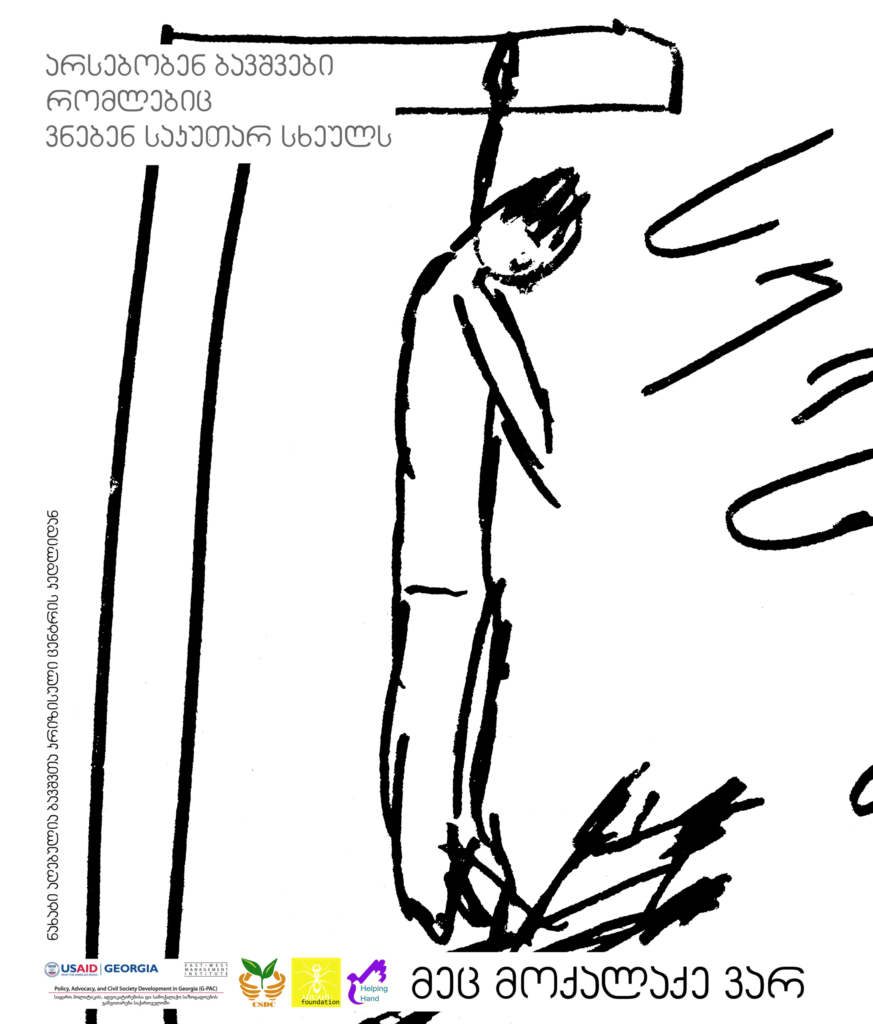
Alongside the shooting of the “Modern Madonnas” photo series, a collaboration was proposed by an initiative group composed of various NGOs, focusing on working with homeless children and documenting their everyday challenges. The focus was on minors without identity documents, who were denied access to fundamental services such as healthcare, education, and legal protection.
In the land chosen by the Virgin Mary, there were children whom the state did not formally recognize — children who could not attend school, could not access medical care, and were often visible only in the street.
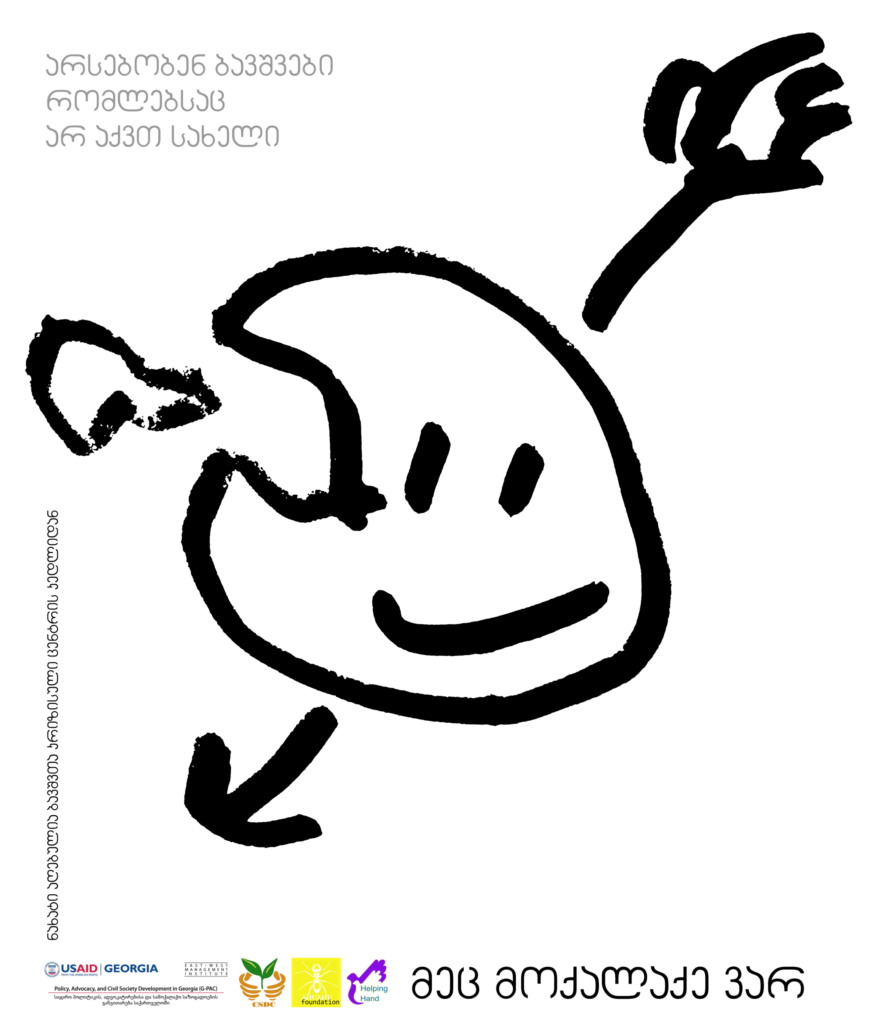
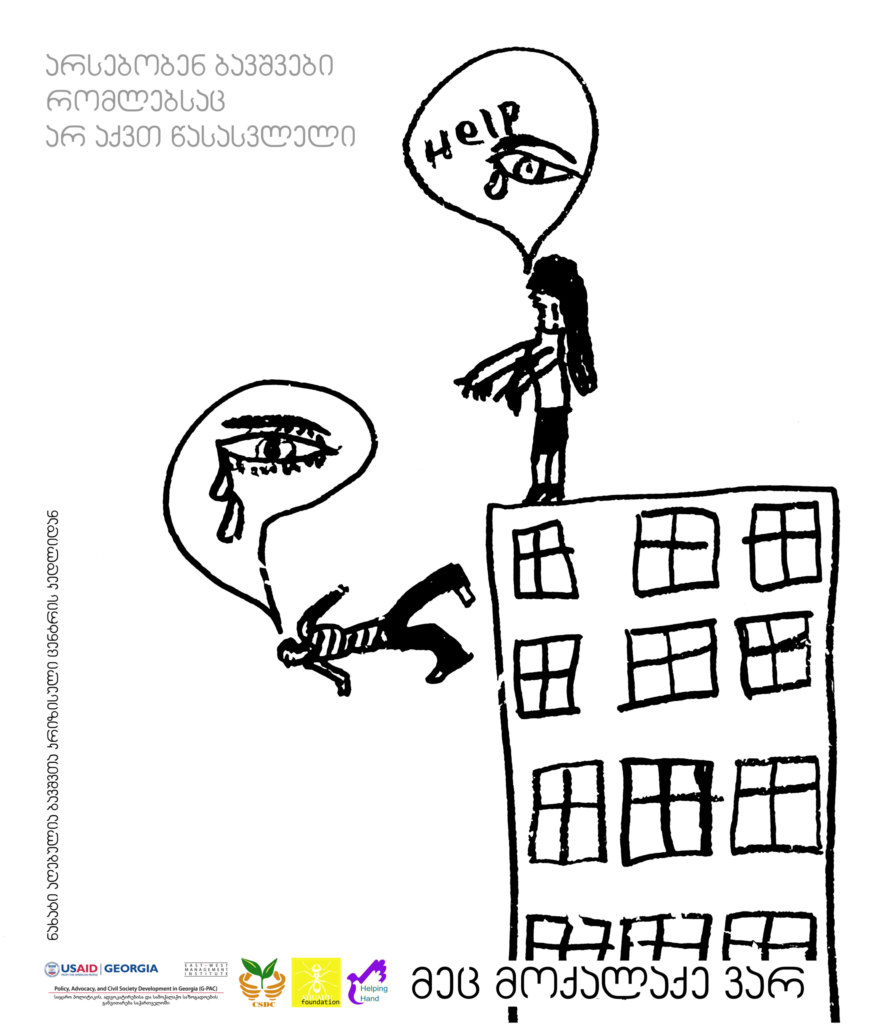
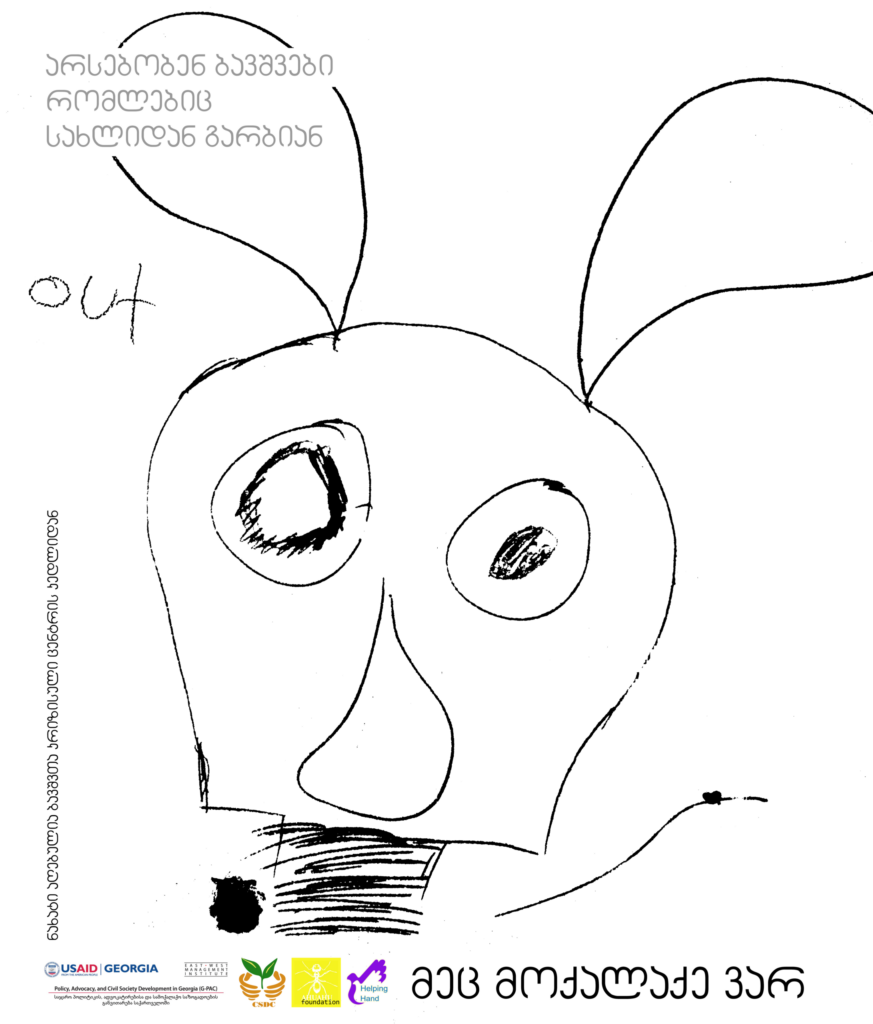
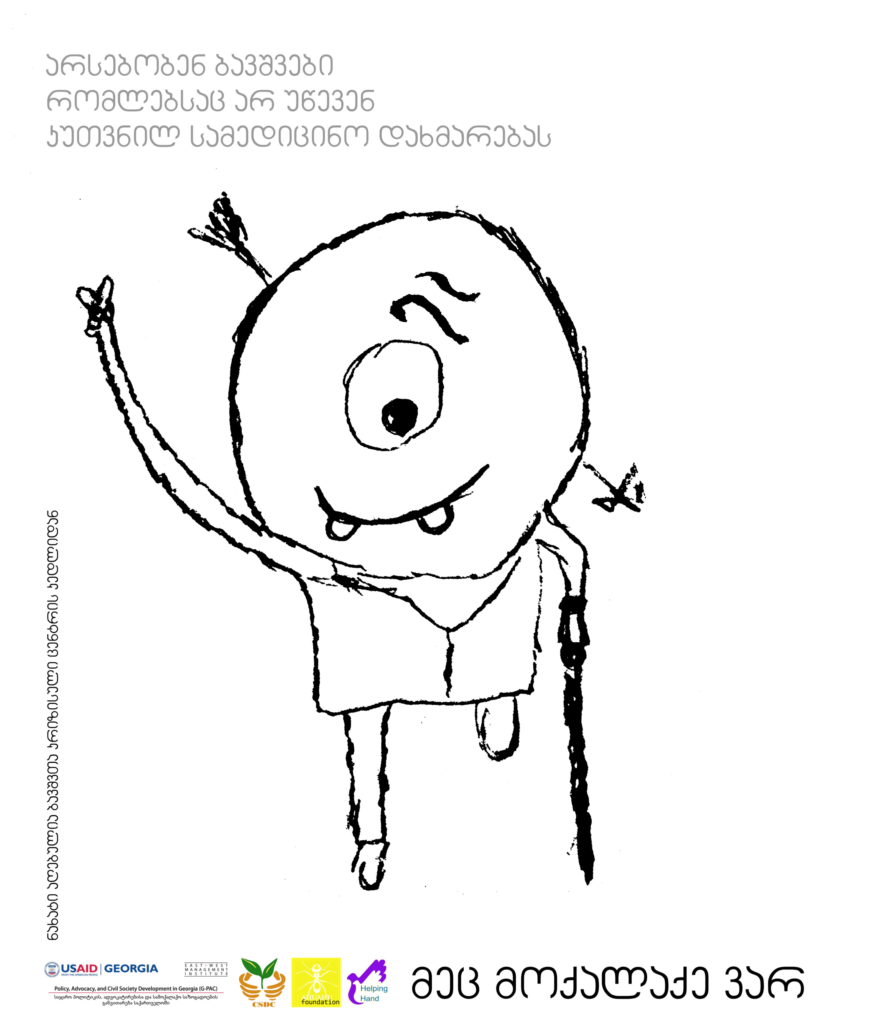
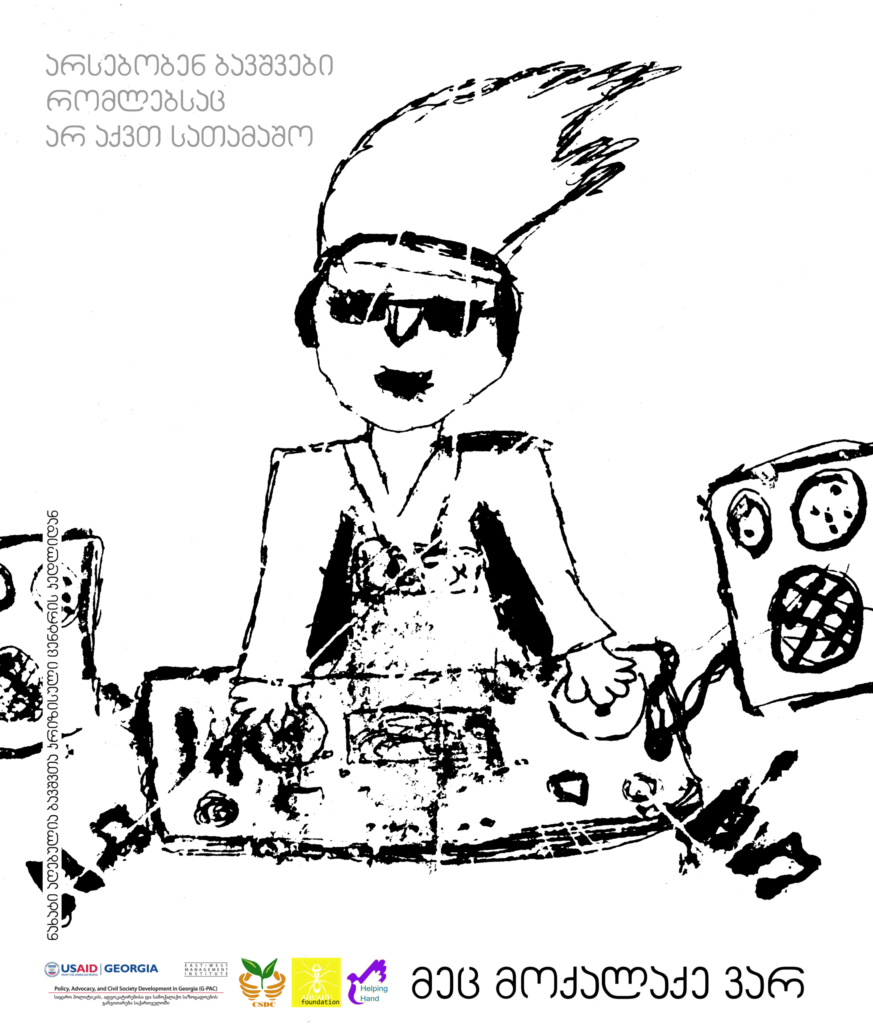
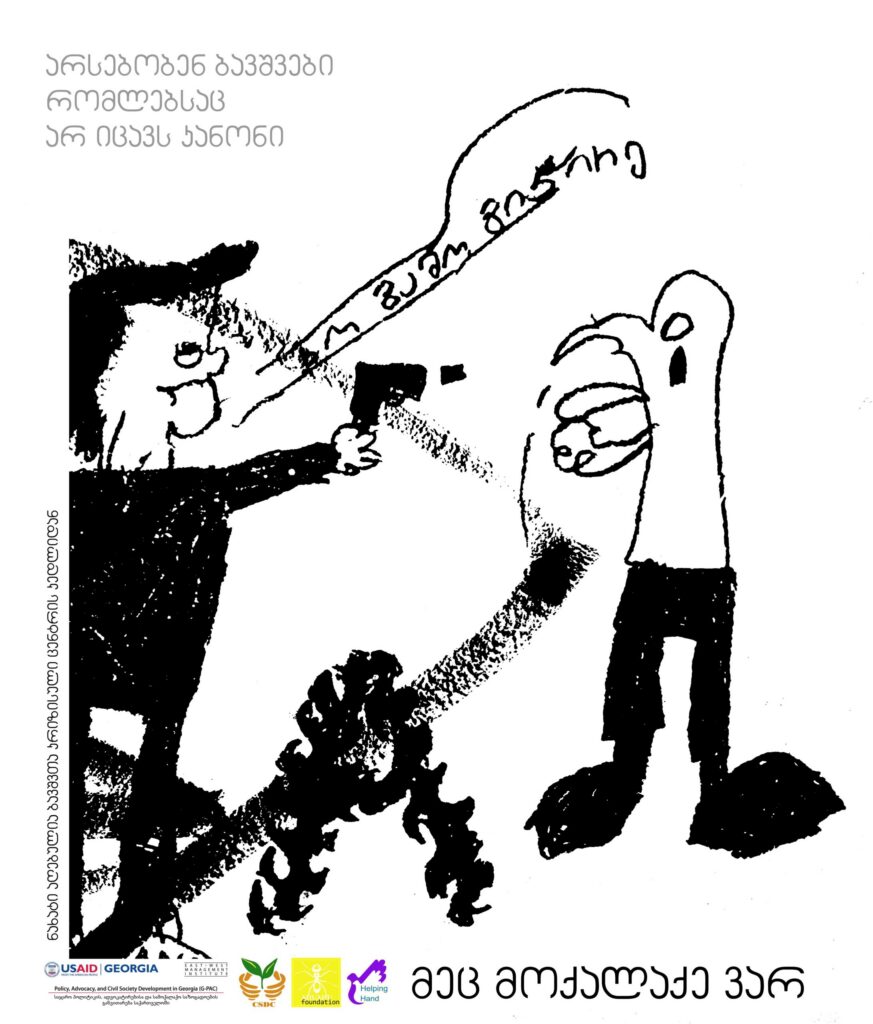
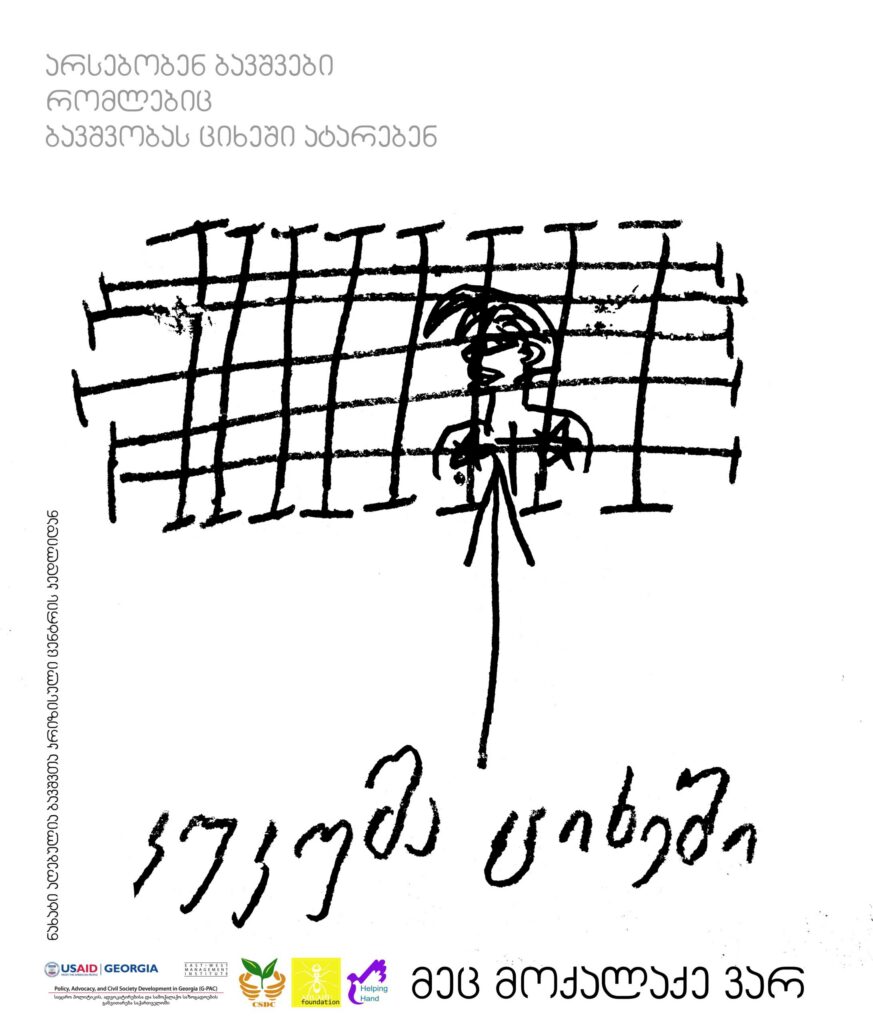
The works were intended to be exhibited in public space, with the main message — “I am a citizen too” — drawing attention to these conditions. Yet precisely because of this, the freedom of representation was severely restricted. For safety reasons, it was necessary that they remain unidentifiable.
“People often come, bring gifts, take photos of us so they can look good themselves, and then leave,” one minor told me. Later it turned out that his leg had been amputated simply because he had not been assisted in time at the hospital due to the absence of an identity document.
After such conversations, it became increasingly difficult to believe that anything about their lives could be understood through direct questioning or pre-structured social formats. They viewed almost everyone who approached them with distrust.
It was probably then that I noticed the images emerging without any therapeutic games or cameras. A series of autobiographical drawings on the walls of a children’s rehabilitation center in Gldani stood as a direct document of their relationship with the outside world: a one-legged cyclops, police chase, falling from the roof of a residential block, calls for help, scenes of suicide…
თანამედროვე ღვთისმშობლების ფოტო-სერიის გადაღების პარალელურად, ერთ საინიციატივო ჯგუფთან გაჩნდა თანამშრომლობის შესაძლებლობა, რომელიც მიუსაფარ ბავშვებთან მუშაობას და მათი ყოველდღიური გამოწვევების ასახვას უკავშირდებოდა. ყურადღების ცენტრში იყვნენ არასრულწლოვნები, რომლებსაც პირადობის დამადასტურებელი დოკუმენტების არქონის გამო, ისეთ ფუნდამენტურ სერვისებზე ეზღუდებოდათ წვდომა, როგორიც ჯანდაცვა, განათლება და სამართლებრივი დაცვაა.
ღვთისმშობლის წილხვედრ ქვეყანაში არსებობდნენ ბავშვები, რომლებსაც სახელმწიფო ფორმალურად არ აღიარებდა, ისინი ვერ შედიოდნენ სკოლაში, ვერ სარგებლობდნენ სამედიცინო მომსახურებით და ხშირად, მხოლოდ ქუჩაში ხდებოდნენ ხილულები.
ნამუშევრები საჯარო სივრცეში უნდა გამოფენილიყო და მთავარი გზავნილით – „მეც მოქალაქე ვარ“ – ჩამოთვლილ პრობლემებზე გაემახვილებინა ყურადღება. მაგრამ სწორედ ამის გამო, გამოსახვის თავისუფლება მკაცრად იზღუდებოდა. უსაფრთხოების მიზნით, მათი ამოცნობა შეუძლებელი უნდა ყოფილიყო.
„ხშირად მოდიან, რაღაც საჩუქრებს მოგვიტანენ, კამერით გადაგვიღებენ, თვითონ რომ კარგად გამოჩნდნენ და მერე მიდიან“ – დაახლოებით ასე მითხრა ერთერთმა არასრულწლოვანმა, რომელსაც, როგორც მოგვიანებით გაირკვა, ფეხი მხოლოდ იმიტომ მოკვეთეს, რომ საავადმყოფოში პირადობის დამადასტურებელი მოწმობის არქონის გამო, დროულად ვერ დაეხმარნენ.
ასეთი საუბრების შემდეგ სულ უფრო რთული ხდებოდა იმის დაჯერება, რომ მათი ცხოვრების შესახებ რაიმეს გაგება, პირდაპირი კითხვებით ან წინასწარ გაწერილი სოციალური ფორმატებით შეიძლებოდა. ისინი თითქმის ყველა მისულ ადამიანს თავიდანვე უნდობლობით უყურებდნენ.
ალბათ სწორედ მაშინ შევნიშნე ის გამოსახულებები, რომლებიც ყოველგვარი თერაპიული თამაშების და კამერის გარეშე იქმნებოდა. გლდანის ბავშვთა სარეაბილიტაციო სახლის კედლებზე შესრულებული ავტობიოგრაფიული ნახატების სერია, მათი გარე სამყაროსთან ურთიერთობის უშუალო დოკუმენტს წარმოადგენდა: ცალფეხა ციკლოპი, პოლიციის დევნა, საცხოვრებული კორუპისის სახურავიდან ვარდნა და დახმარების ძახილი, სუიციდის სცენები…
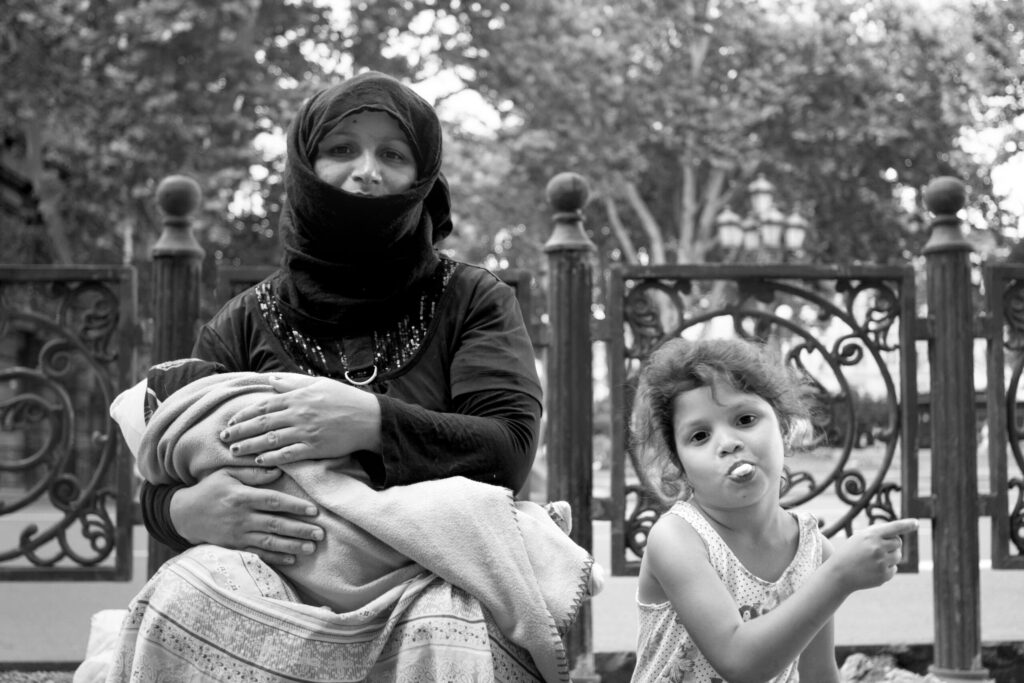
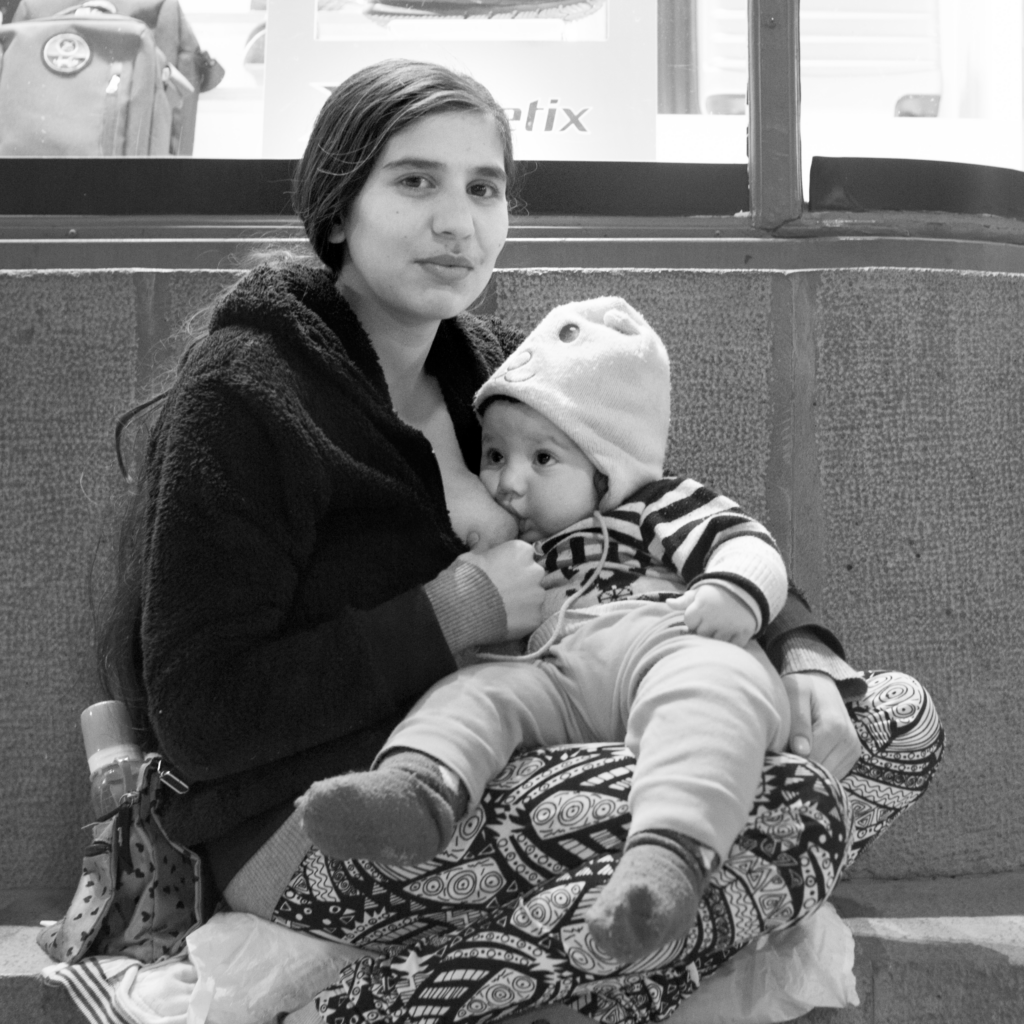
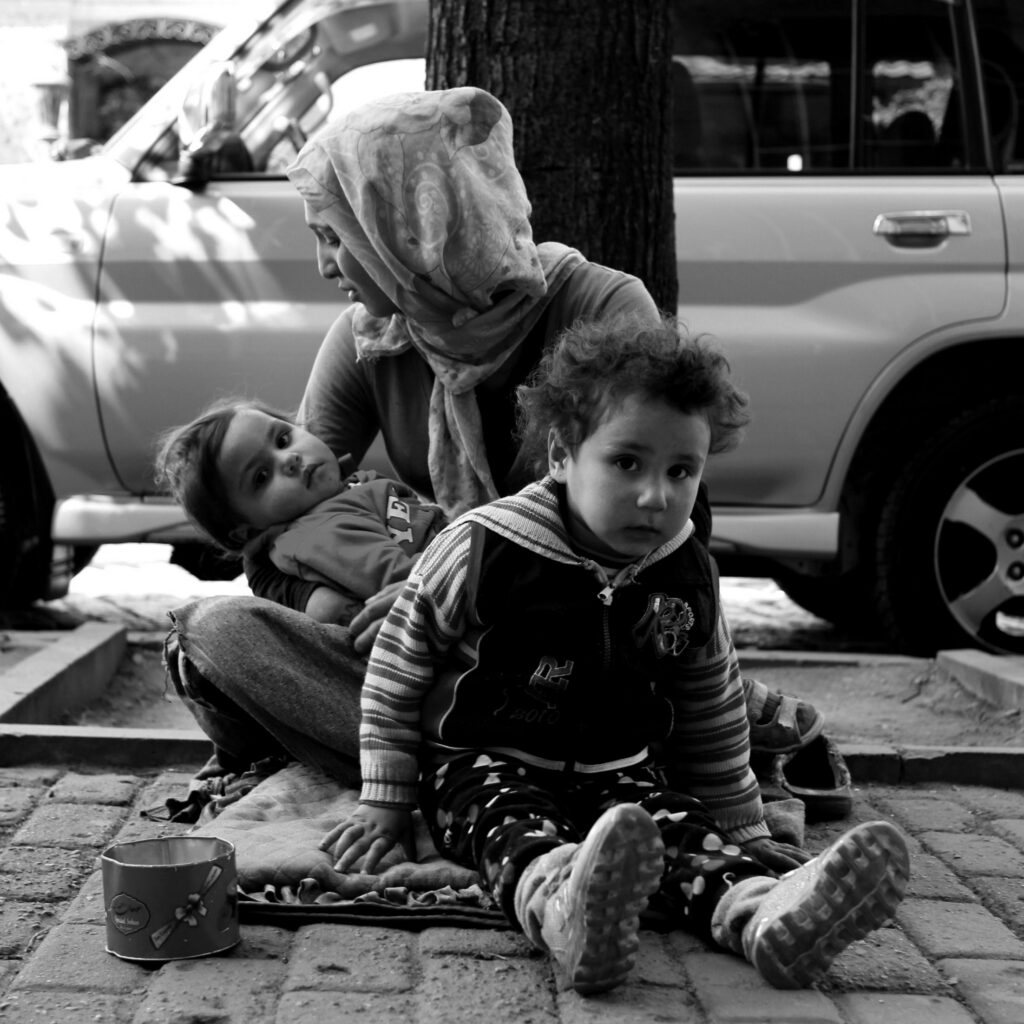
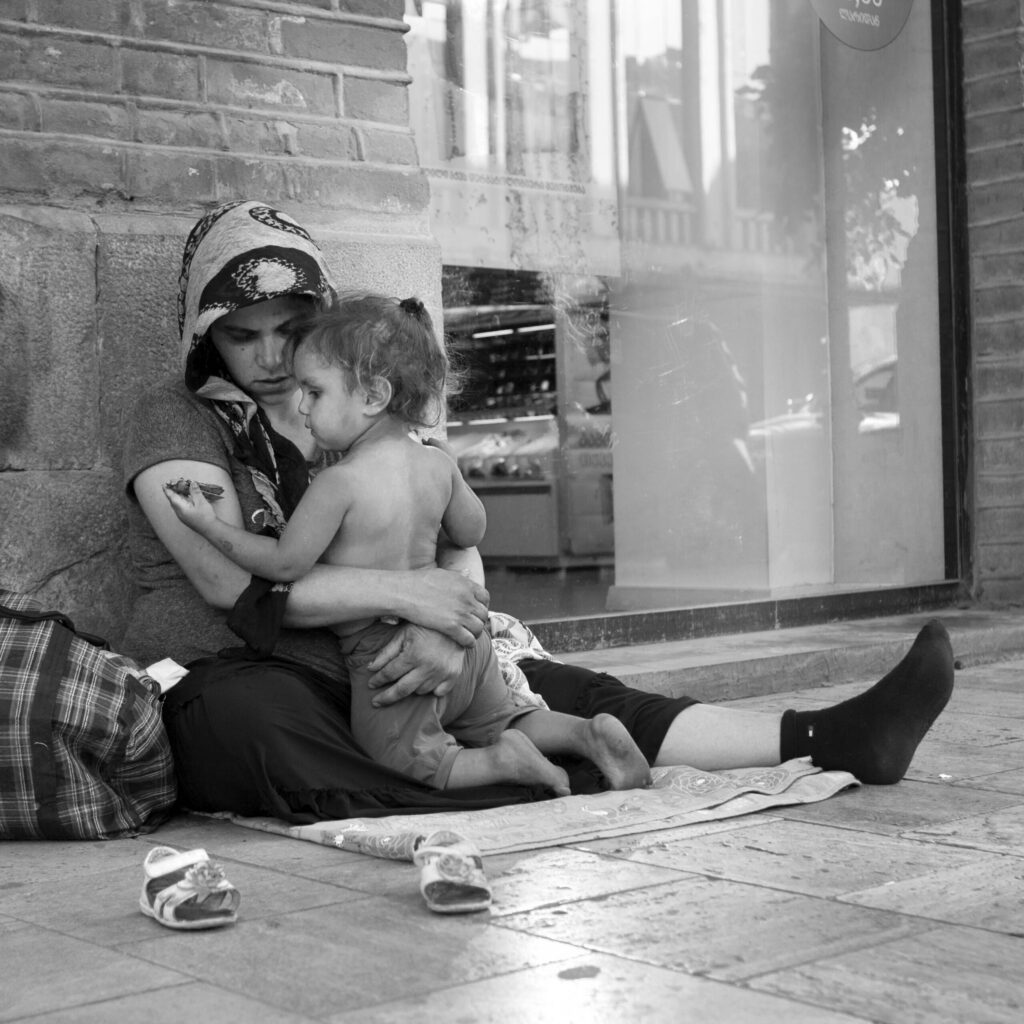
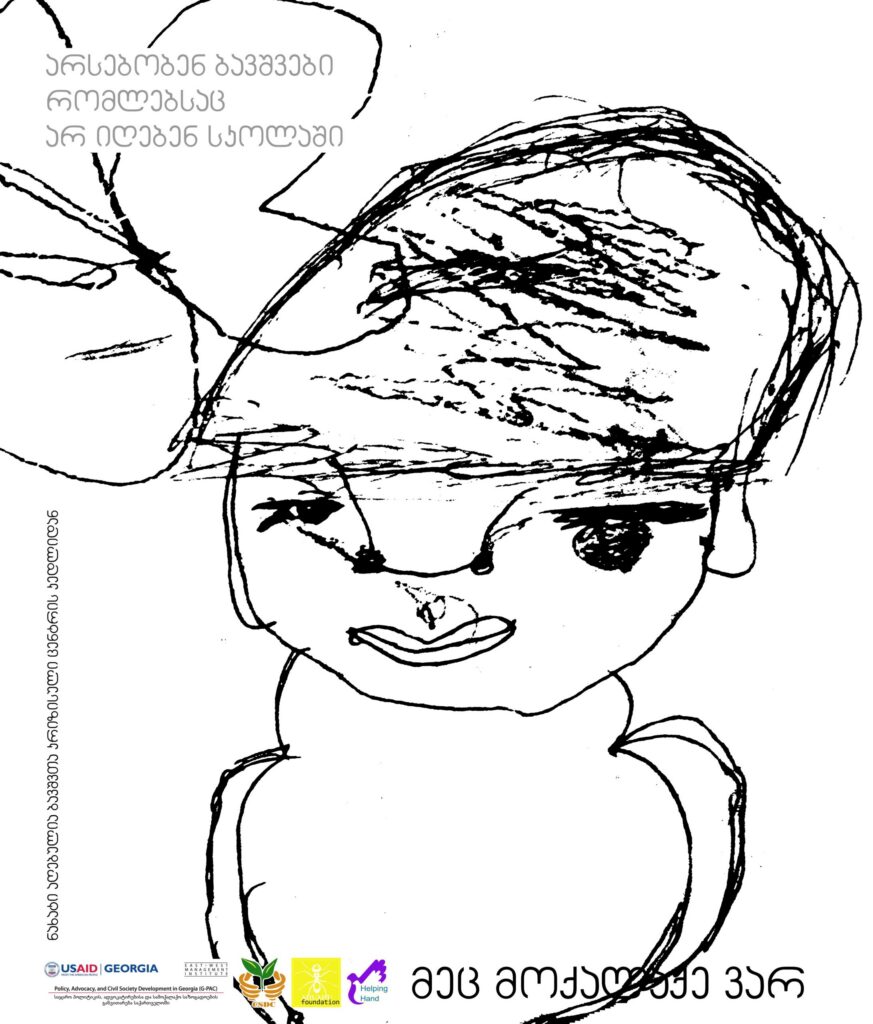
Published on the occasion of the exhibition Modern Madonna, this volume directly extends the project’s underlying research. It examines the compounded marginalization of Roma women and girls—from institutional neglect and bureaucratic invisibility to early marriage and gender-based violence. Bringing together artistic inquiry and field documentation, the publication addresses systemic inequality and the urgent demand for human rights.
Research: Nikoloz Nadirashvili
Language: Georgian
Pages: 24
Year: 2018
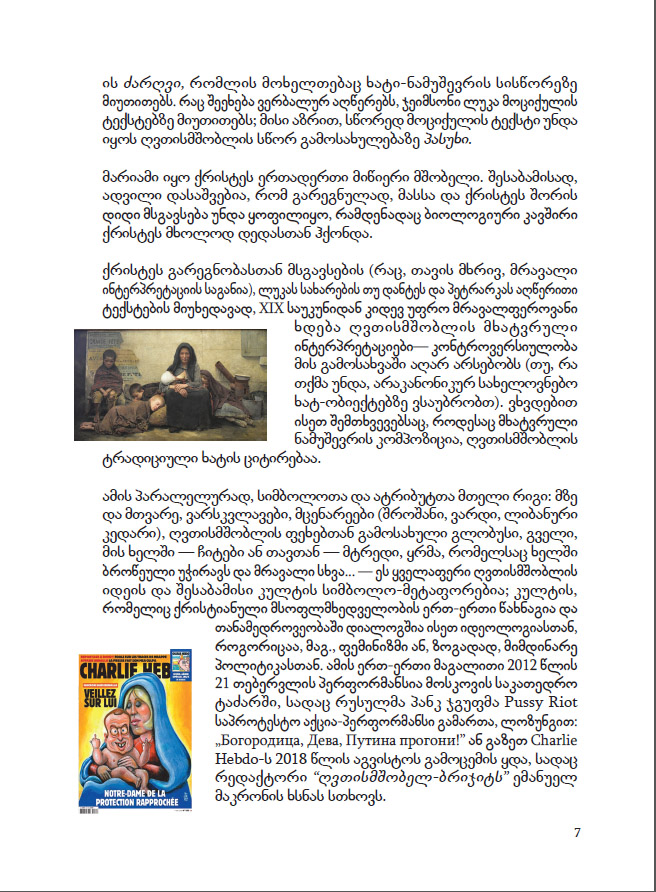
Koka Vashakidze / Photo Series 2014-2018
Curated by Nikoloz Nadirashvili
Exhibition Report at Literature Museum, Tbilisi, Georgia 2018
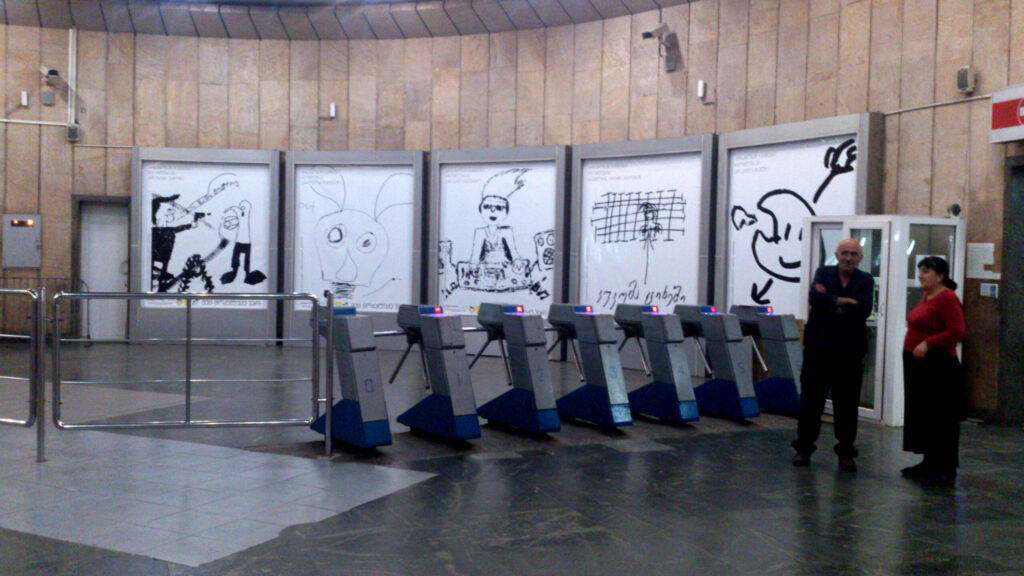
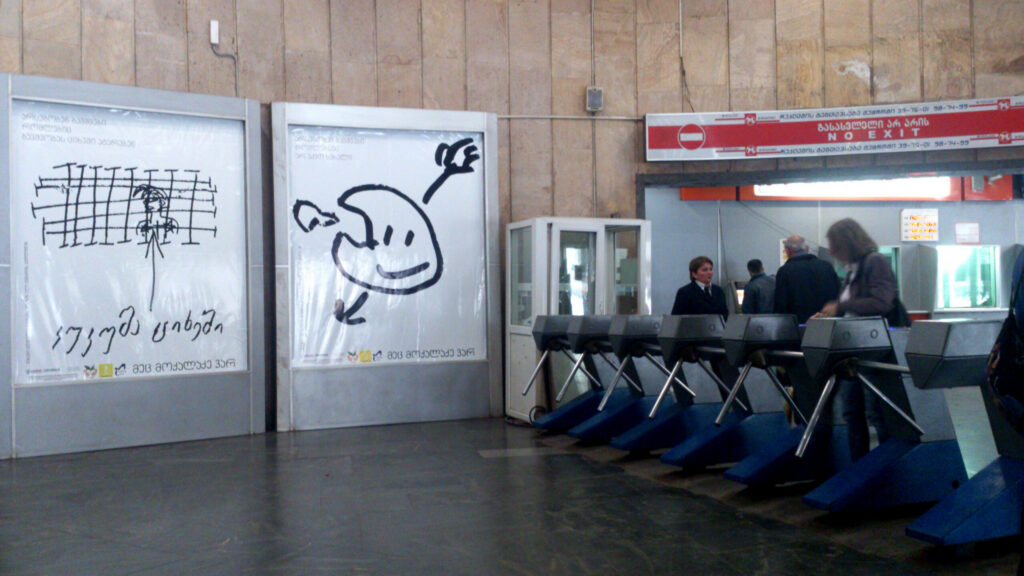
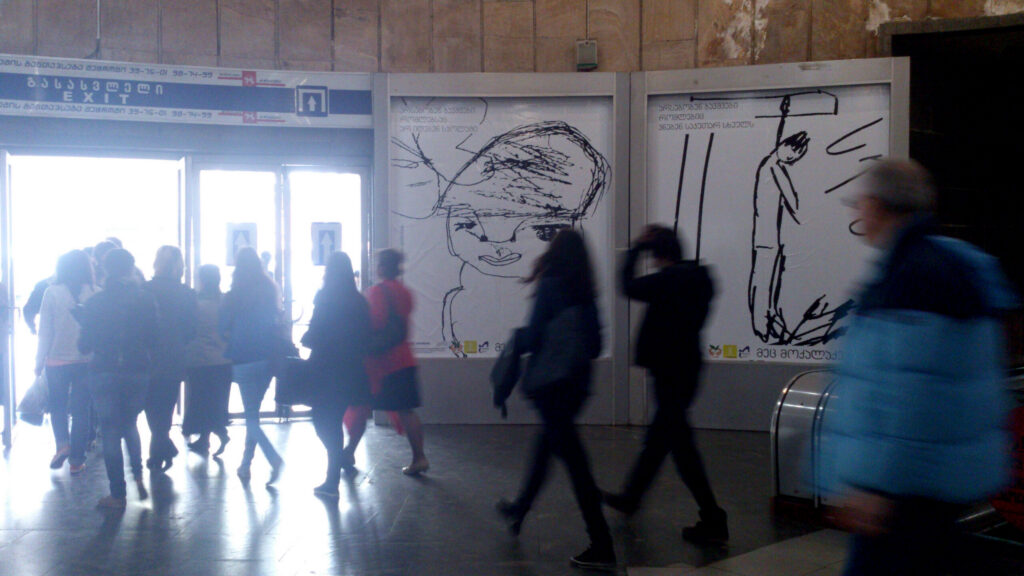
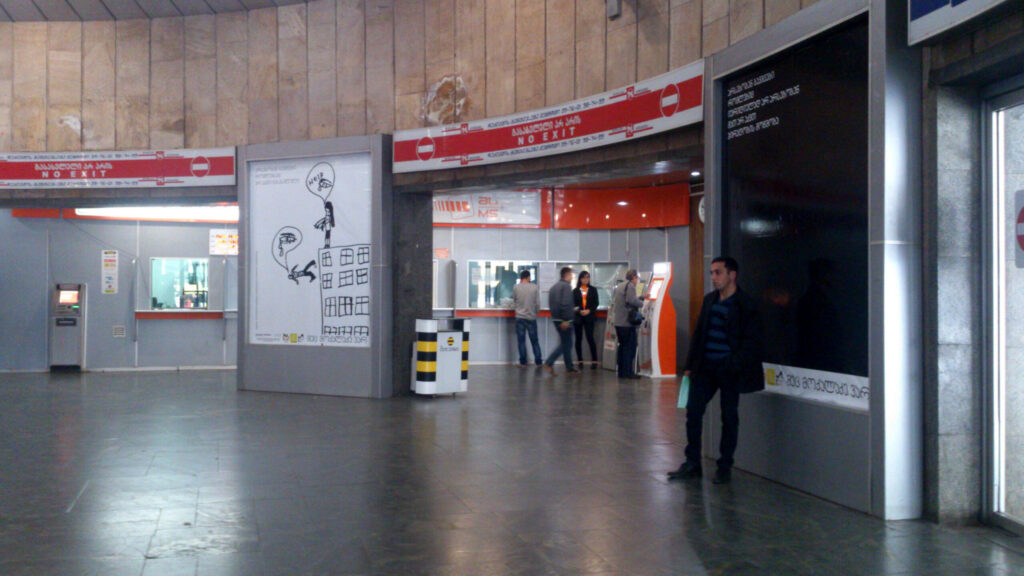
Koka Vashakidze / Poster Series 2014
Currated by Anuka Lomidze
Exhibition View at Liberty Square Metro Station Entrance Hall, Tbilisi, Georgia 2014
Modern Madonnas
Sacred In Georgia's Social Space
Text And Exposition: Koka Vashakidze
Artwork On The Cover: Aleksi Soselia
Koka Vashakidze / Photo Series / 2014-2018
Curated: Nikoloz Nadirashvili
Exhibited: Literature Museum, Tbilisi, Georgia / 2018
Comission and Partners: Ministry Of Culture Of Georgia / Literature Museum / Art and Society
Koka Vashakidze / Print Series / 2014
Curated: Anuka Lomidze
Exhibited: Liberty Square Metro Station Entrence Hall, Tbilisi, Georgia / 2014
Comission and Project: USAID Georgia / CSDC / AHUAHU Foundation / Helping Hands